

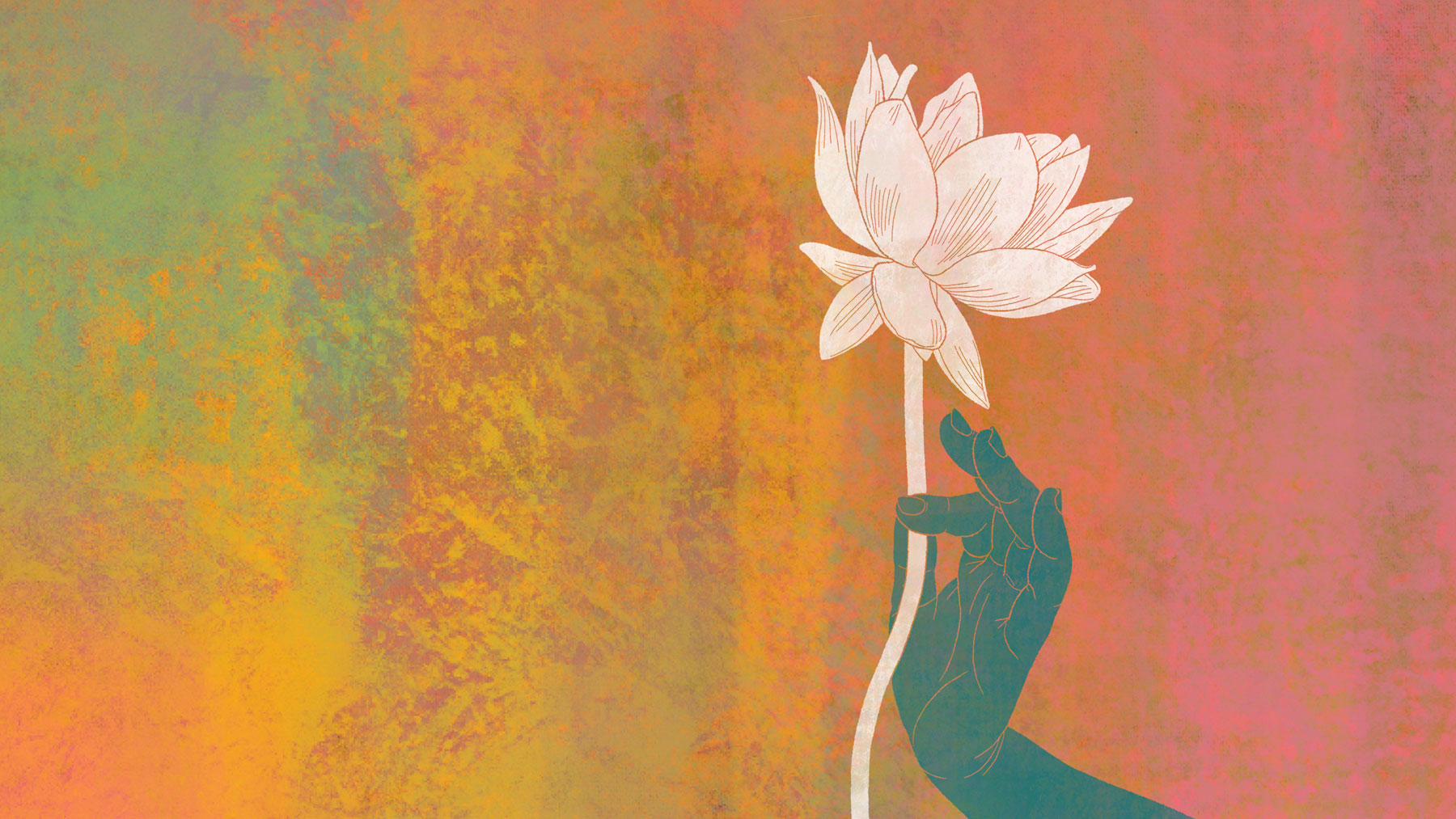
Have you ever noticed yourself gesturing while you’re talking on the phone? Even though the person on the other end can’t see them, your movements evoke feelings in you that are inseparable from what you’re verbalizing. The gestures complete the picture.
Or notice how you hold yourself—your posture, your hands, your facial expression—in the middle of an intense interaction with someone. Your body language conveys a larger story, one that is beyond words. And in a yoga class, you discover that the postures go beyond working on particular muscle groups. They also inspire a certain kind of feeling that integrates mind and body. The body shapes the mind, and vice versa.
In many spiritual traditions, mind and body are not considered separate realms; they are two poles of an intimately interconnected continuum. It has been noted, for example, that merely taking a seated posture for meditation can influence the quality of our thoughts—making them a little less likely to carry us away. When the Buddha famously touched the earth, he was connecting body and mind through this kind of groundedness.
Buddhist and Hindu practitioners join body and mind through hand positions and dynamic gestures known as mudras that represent and invoke qualities of mind. They have symbolic meaning and awaken the spirit of what they represent. For example, a mudra representing confidence conveys a quality of confidence that is nonconceptual and preverbal.
As far as historians can determine, the use of mudras began with ritual recitations of the Vedas, spiritual texts created in the Indian subcontinent between roughly 1500 and 500 BCE. Buddhism inherited this gestural tradition, which is why many ancient statues and paintings show buddhas, bodhisattvas, and tantric deities using mudras.
Hand gestures and other kinds of movement—sometimes incorporating music-making with instruments such as bells, drums, and horns—are widely used by practitioners in the Buddhist world. In Vajrayana, for example, mudras and other postures and gestures form a key part of tantric rituals; appropriate mudras are transmitted to practitioners when they’re empowered to practice the rituals associated with a given deity. And in the Zen tradition, Thich Nhat Hanh introduced chanting a praise to Avalokiteshvara with accompanying gestures, which he said created more concentration by employing mind, speech, and body all at once.
Here are some of the more commonly known gestures and a few that are less familiar. You may see variations of these in Buddhist statuary and paintings, depending on the artist and the tradition. Feel free to try these gestures yourself to get a sense of what they’re meant to evoke. Doing so can bring statues and images to life, along with the insights they’re expressing.
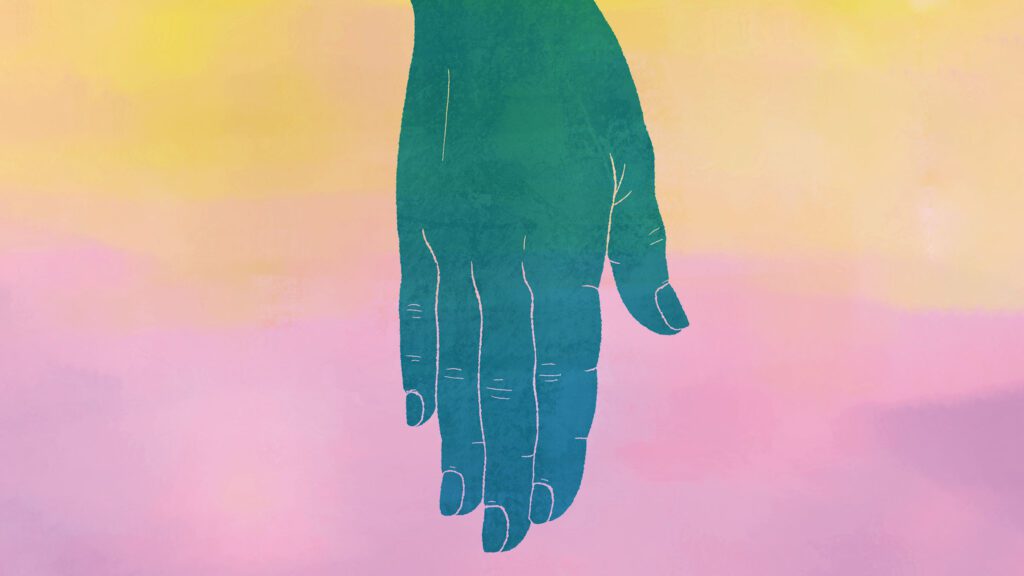
Earth-Touching (Bhumisparsha) Mudra
In a meditative posture, the left hand rests in the lap, open, palm up, and with the fingers pointing to the right. The right hand extends forward and downward, palm open, as if touching the earth. One of the best-known of all mudras, this gesture symbolizes the Buddha calling on the earth to witness the truth of his awakening beneath the Bodhi Tree. A variation of this mudra also appears in standing statues of the Buddha.
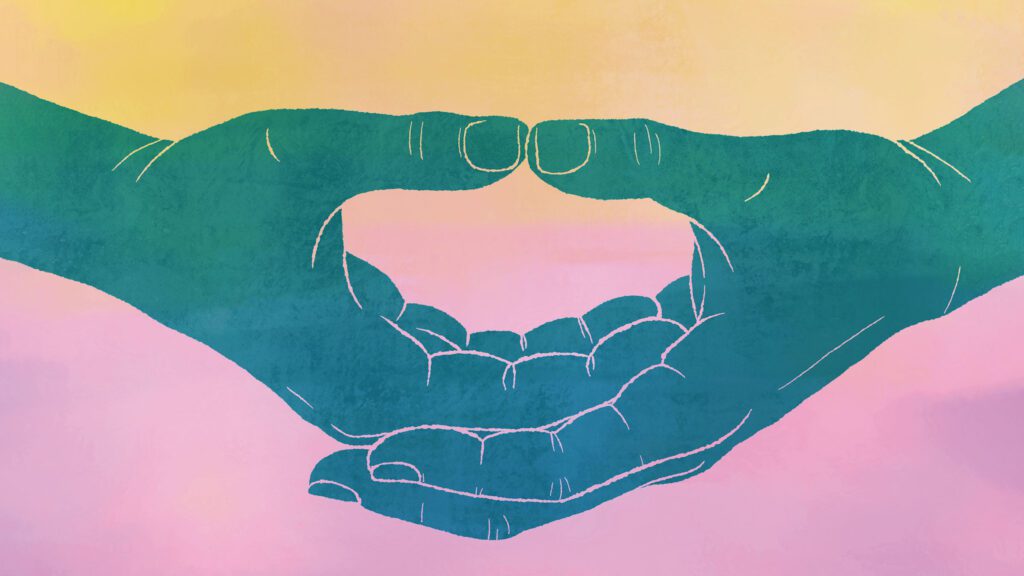
Meditation (Dhyana) Mudra
The left hand rests in the lap, palm up, and the right hand lies gently on top of it, also palm up. The tips of the thumbs are lightly touching. This mudra represents meditative equipoise and is one of the most common hand positions in sitting meditation. Some commentators believe the left hand represents the world of appearance (relative reality) and the right hand represents the world of enlightenment (absolute reality). Their joining can be seen as representing nonduality.
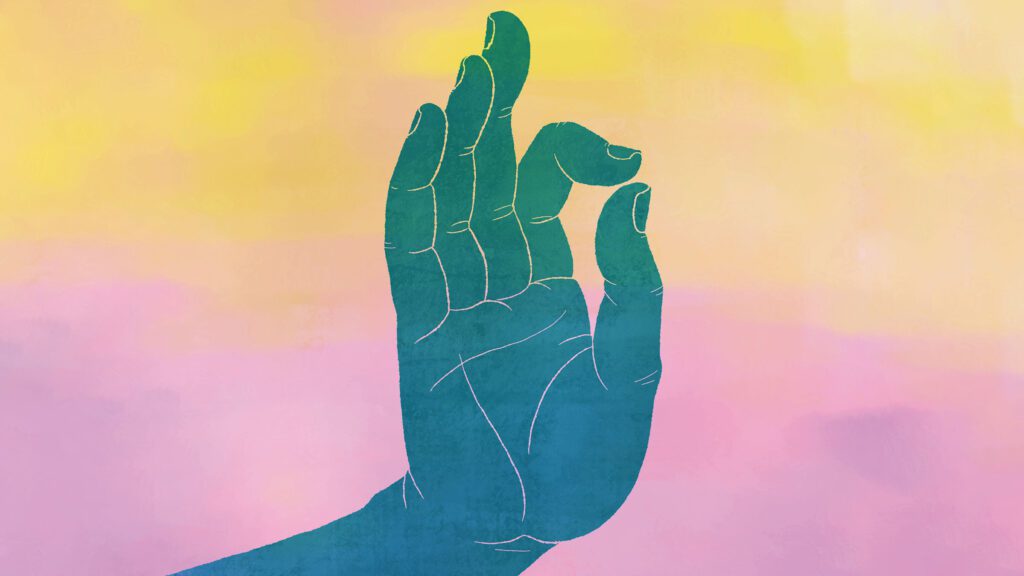
Teaching (Vitarka) Mudra
With the right hand at shoulder level, the tips of the thumb and index finger touch to form a circle. The left hand rests in the lap, palm up, with the thumb and index finger also joined. Variations include raising the left hand or leaving the left hand in the lap but not making a circle with it.
The word vitarka suggests investigation or sustained attention on an object. The gesture signifies and accompanies the transmission of dharma, and it’s also known as the gesture of instruction or discussion. The circle formed by the thumb and index finger indicates perfection or completeness, without beginning or end.
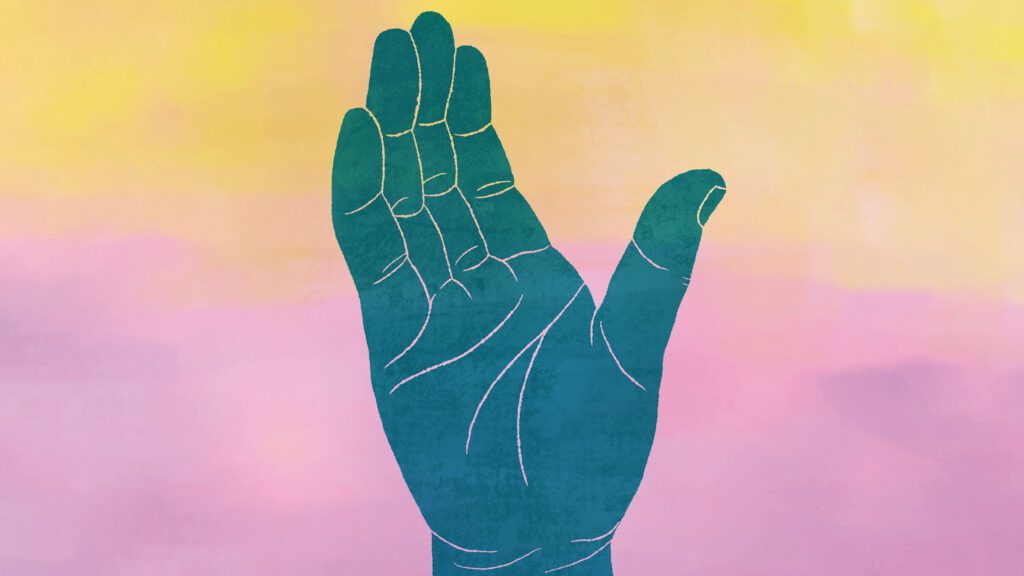
Fearlessness (Abhaya) Mudra
With the right hand at shoulder level, the palm faces outward with the fingers pointing up as if gesturing for someone to stop. Less commonly, both hands may be raised in a double abhaya mudra.
This gesture expresses an unshakable sense of security and confidence that does not depend on conditions. Tradition has it that the Buddha used this mudra to subdue an aggressive elephant.
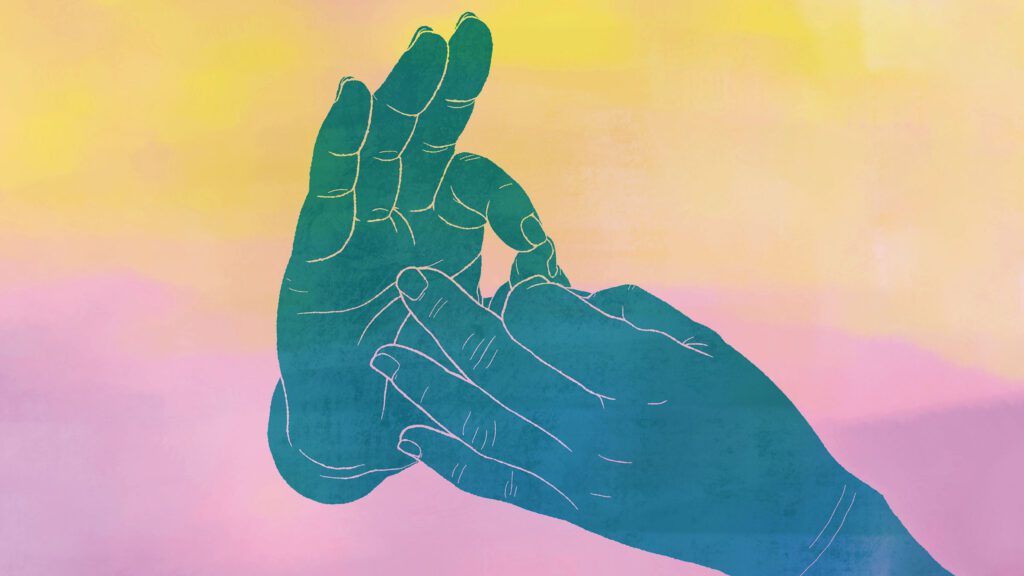
Wheel of Dharma (Dharmachakra) Mudra
Each hand forms a circle by joining the index finger and thumb. The right palm faces outward and the left palm faces inward, with the two circles gently touching. The Buddha is often depicted making this gesture when he begins to teach, symbolizing the turning of the wheel of dharma. In ancient Indian mythology, the wheel represents setting something in motion that transforms the world.
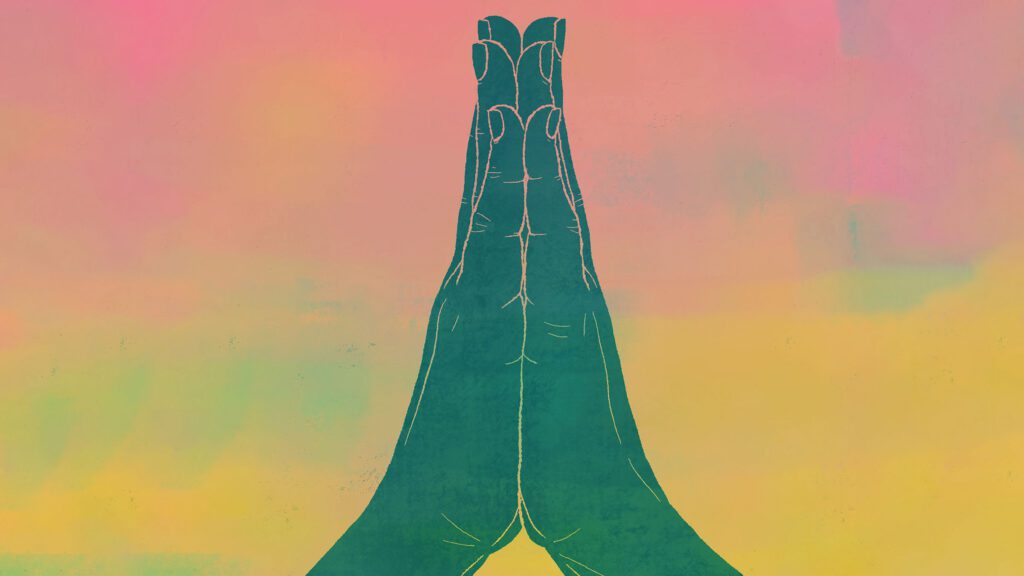
Greeting or Supplication (Anjali) Mudra
The palms are at the level of the heart, forehead, or mouth, and they’re pressed together with the fingers pointing upward. The head is generally slightly inclined. Anjali is a traditional gesture of greeting and respect that may be accompanied by a bow or prostration. Iconographically, anjali conveys the sense of things just as they are, beyond bias and conceptuality (tathatha).
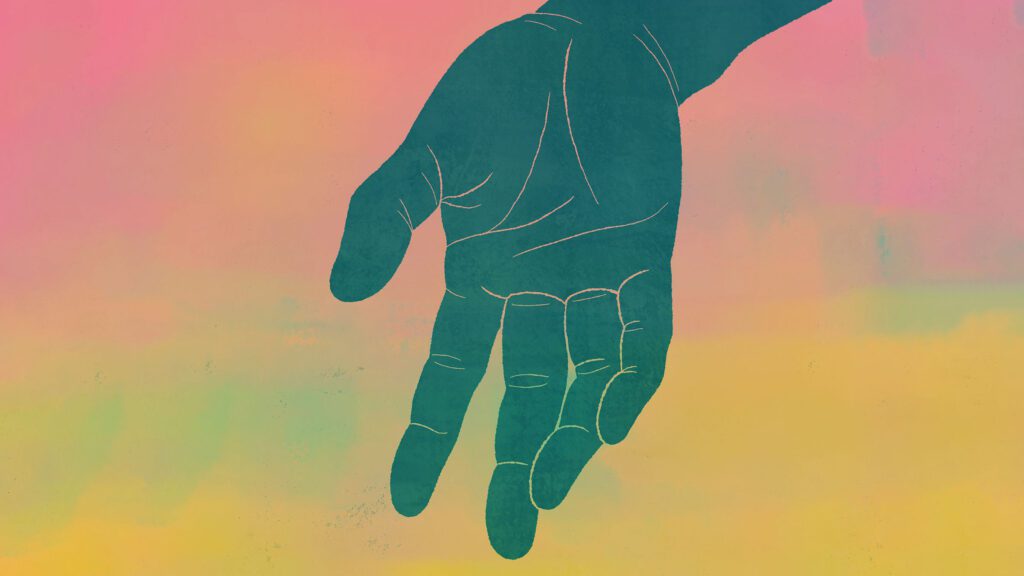
Generosity or Wish Fulfillment (Varada) Mudra
The right arm extends downward, with the palm open and facing away from the body and with the fingers pointing toward the earth; sometimes, the index finger and thumb form a circle. When it’s a seated gesture, the left hand rests on the lap, palm up. When it’s a standing gesture, the right hand is extended slightly in front of the body. (The hands are sometimes seen reversed.) This open-handed gesture represents giving to others and fulfilling their desires, the opposite of self-cherishing.
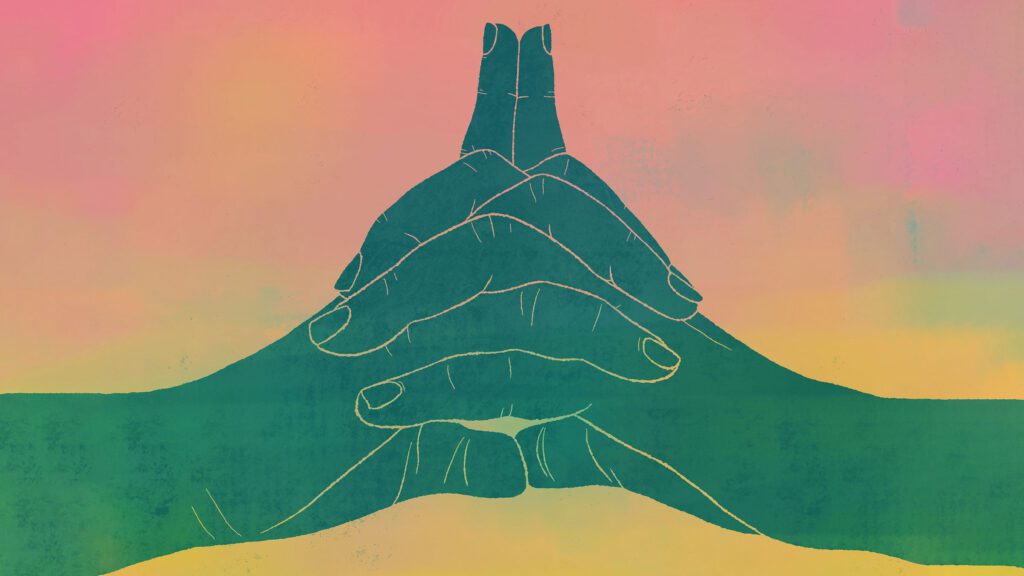
Supreme Enlightenment (Uttarabodhi) Mudra
The hands are held at chest level with all fingers interlaced except for the index fingers, which extend upward and touch at the tips. The thumbs rest side by side. Uttara means “the highest” and bodhi means “awakening,” so this mudra represents complete and perfect enlightenment.
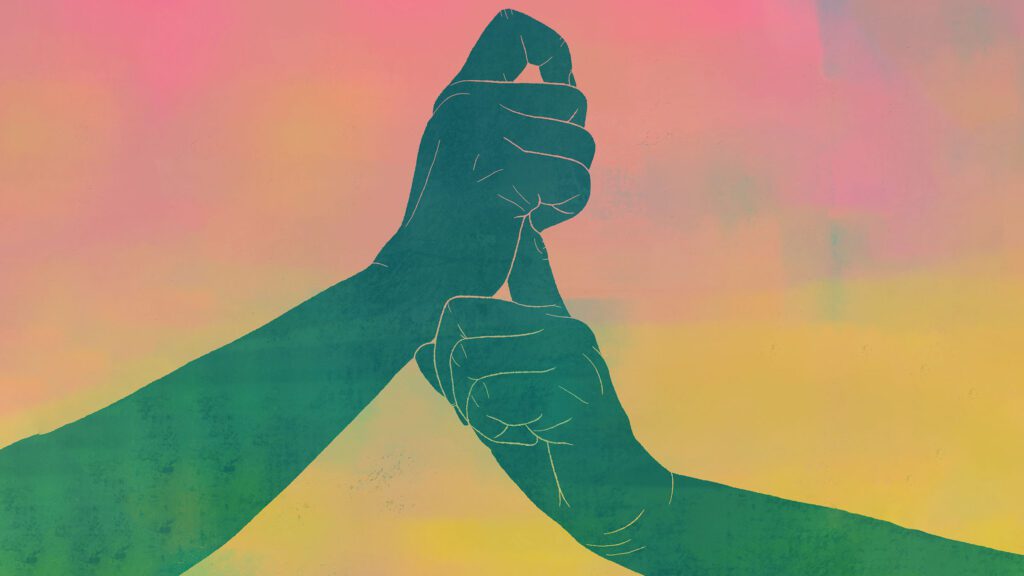
Indestructible Wisdom (Vajra) Mudra
The forefinger of the left hand is held in the fist of the right hand. Most common in Korea and Japan, this mudra signifies the vital importance of wisdom, represented by the forefinger, which is protected by the enclosing fist.
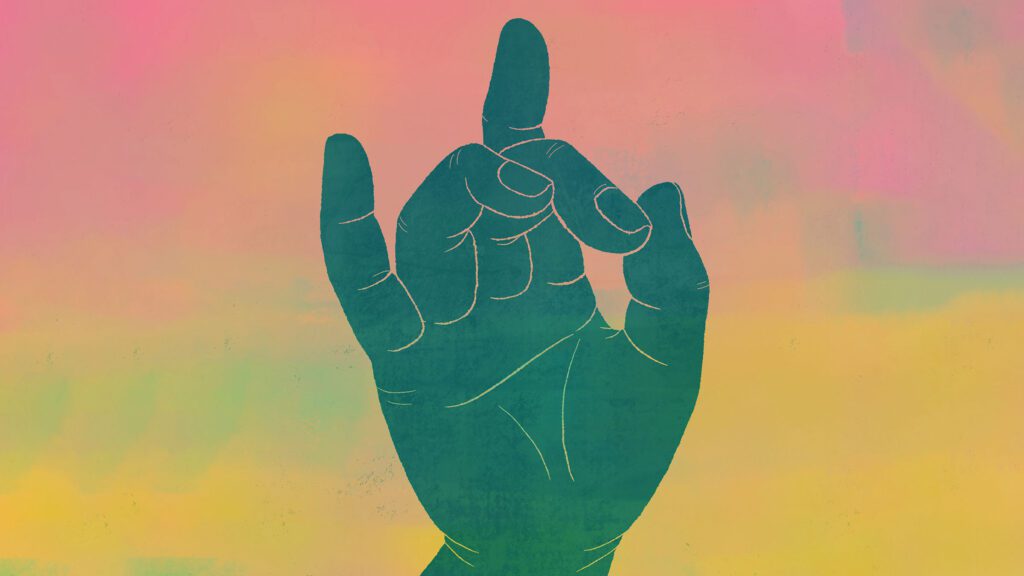
Warding Off Obstacles and Negativity (Karana) Mudra
The right hand is extended, palm facing forward. The two middle fingers are folded and held down by the thumb, while the index and little fingers point upward, forming a two-pronged, hornlike gesture. This mudra represents rousing energy in the face of negativity and obstacles such as sickness, attacks, or psychological turmoil.
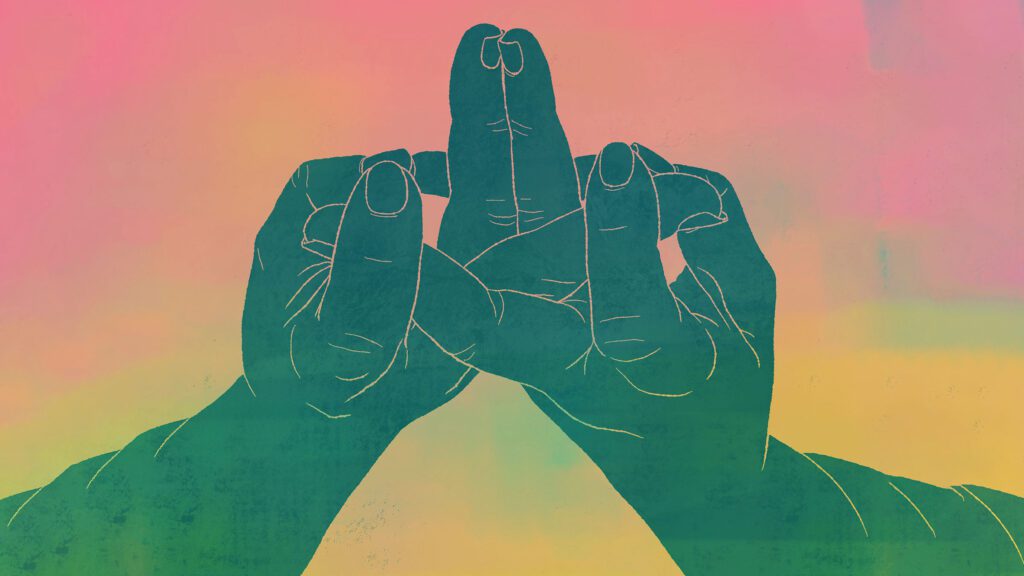
Mandala Offering (Mandala Arpan) Mudra
This mudra is dynamic and used within a ritual sequence, so it can be a little tricky the first time around. To form the mudra, hold the hands palms facing up and slip the left little finger between the right little finger and the ring finger and hold each thumb down with the opposite little finger. Then the ring fingers rest against each other, pointing upward. Finally, you rest your left middle finger on your right index finger, and you rest your right middle finger on your left index finger. When complete, the mudra evokes a kind of world or mandala.
Mandala means a realm with a center and a surrounding fringe. It can refer to anything from one’s personal sphere of relationships to the domain of a tantric deity to the entire universe itself. Arpan means offering, and the mandala offering signifies giving away everything. When forming this mudra, practitioners often hold a small amount of rice and imagine releasing their entire constructed world—everything they cling to—as an offering. A chant accompanies the gesture, culminating in visualizing the entire universe as the Buddha’s realm, offered for the benefit of all beings. Practitioners then unfold the mudra and toss the rice.
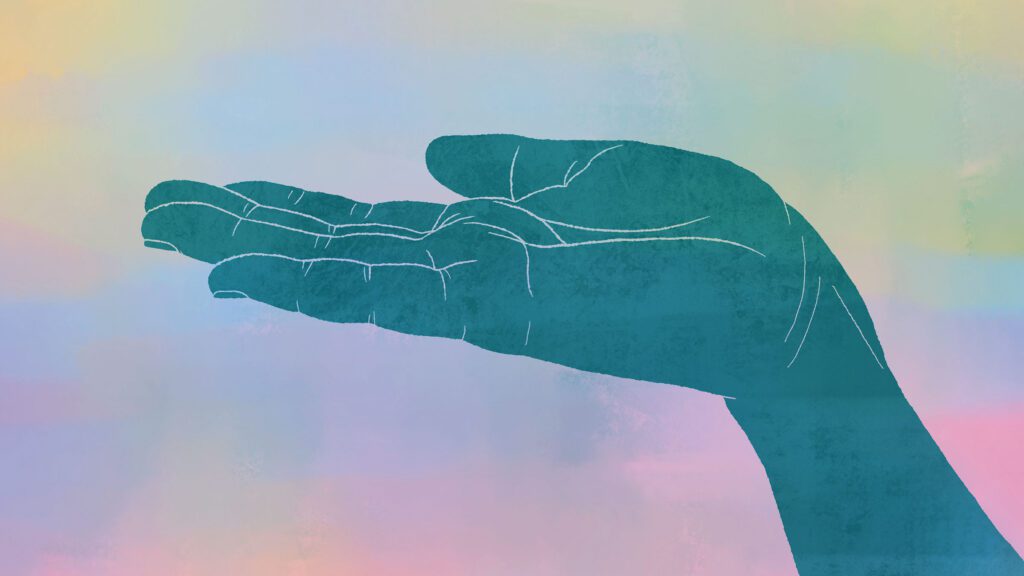
Renunciation (Buddhashramana) Mudra
The right hand is held at shoulder height, palm up. The wrist is bent so that the hand is flat and parallel to the ground, with the fingers pointing away from the body.
The word shramana is an ancient Sanskrit term referring to a renunciate or mendicant, someone who gives up worldly life to devote themselves to a spiritual path. In Buddhism, it came to refer to all monks, including the Buddha. The gesture is meant to convey giving up attachment to the world in order to seek the cessation of suffering.
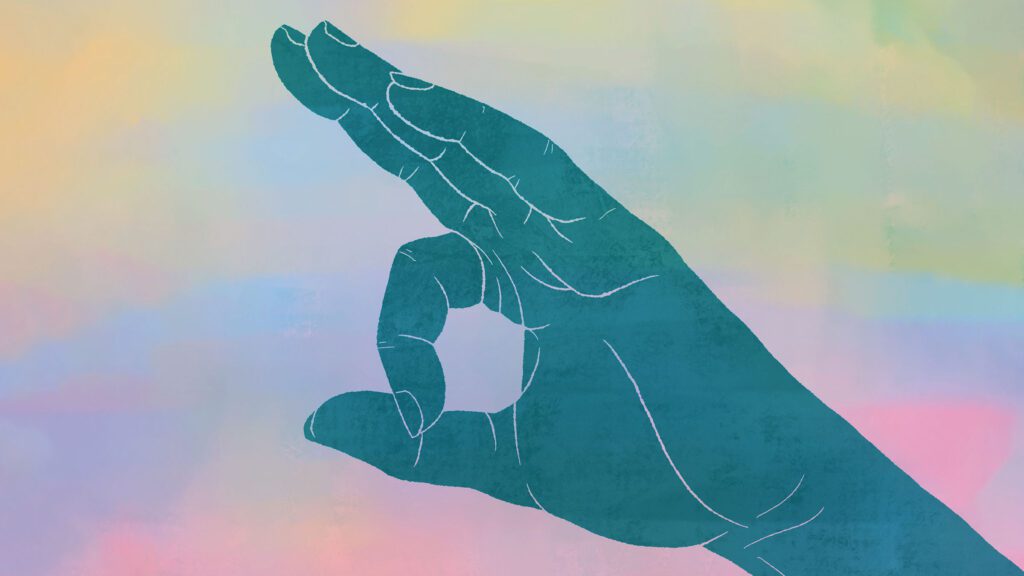
Knowledge (Jnana) Mudra
As in the vitarka mudra and others, the tips of the index finger and the thumb of the right hand join to form a circle. The remaining fingers extend straight out with the palm facing up. This differs from the vitarka mudra, where the palm faces away from the body.
Jna is a Sanskrit root meaning knowledge, awareness, or understanding, as in the word prajna, which means highest, best, or supreme knowledge. Jnana has a range of meanings. It can simply be a general term referring to knowledge, as opposed to ignorance; it can refer to simple cognition, as in the compound word vijnana, usually translated as consciousness; and it can refer to primordial wisdom, the very highest form of knowledge. The mudra signifies and celebrates knowing as opposed to being in the dark.
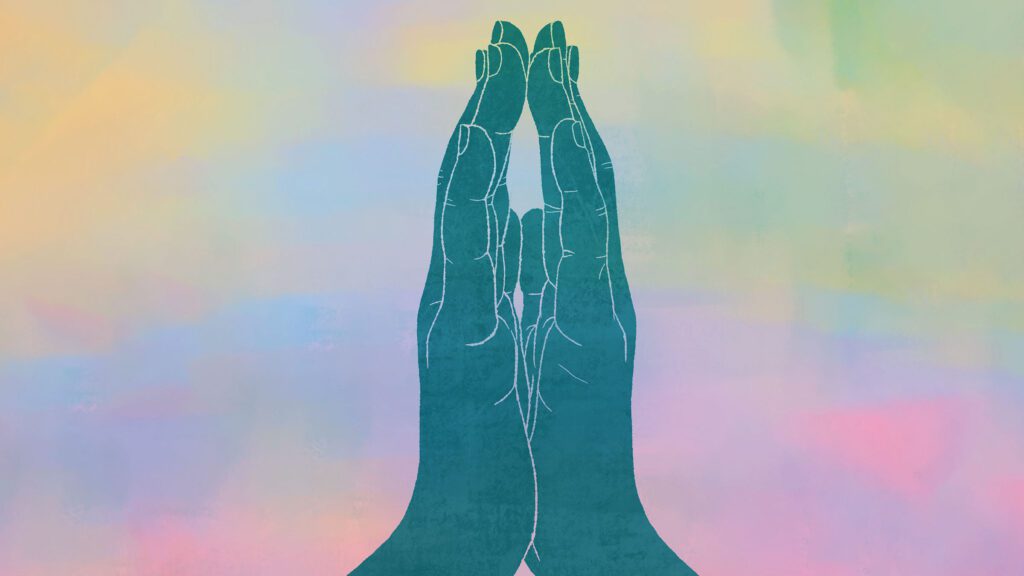
Holding the Jewel or Wish-fulfilling Gem (Manidhara) Mudra
The hands come together as in anjali. In this case, however, only the little-finger sides touch, while the rest of the fingers spread slightly as if cupping a jewel. It is a very common mudra in depictions of Avalokitesvara, the bodhisattva of compassion.
Mani means jewel and dhara means holding. The wish-fulfilling gem signifies fulfillment of all spiritual and material desires and aspirations.
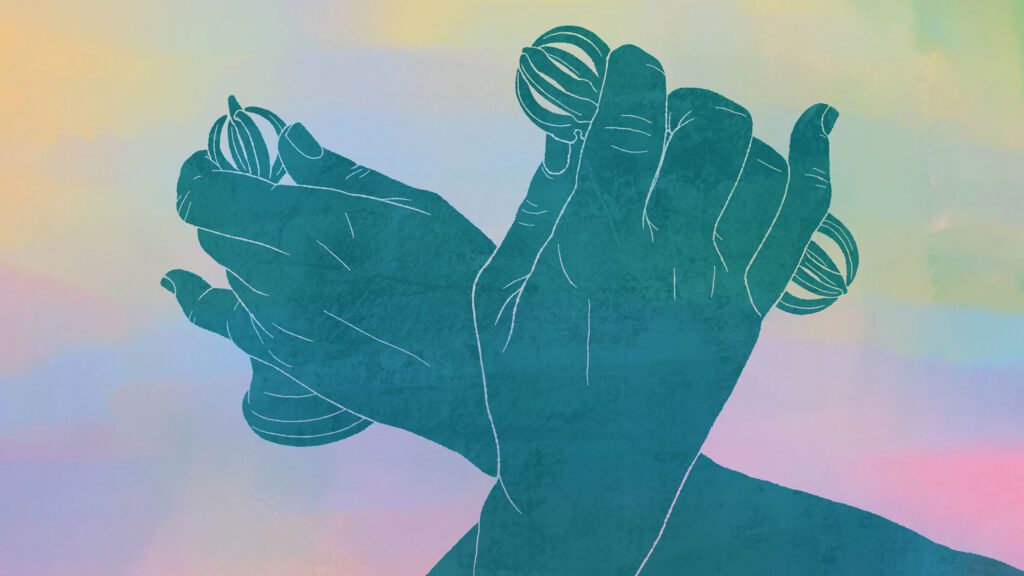
Embracing (Vajrahumkara) Mudra
This is a dynamic gesture used in tantric rituals. A vajra (a metal object that is pointed at both ends, symbolizing a thunderbolt) is held in the right hand, while the left hand holds a ritual bell. In front of the heart, the right wrist crosses over the left wrist. The palms face inward. The gesture is often held for a short period of time as part of an ongoing ritual.
The vajra represents action, method, or skillful means (upaya). It is considered indestructible in the sense that space cannot be destroyed. The ritual bell symbolizes the melodious and liberating music of wisdom (prajna). The joining of the two conveys the inseparability of wisdom and skillful means.
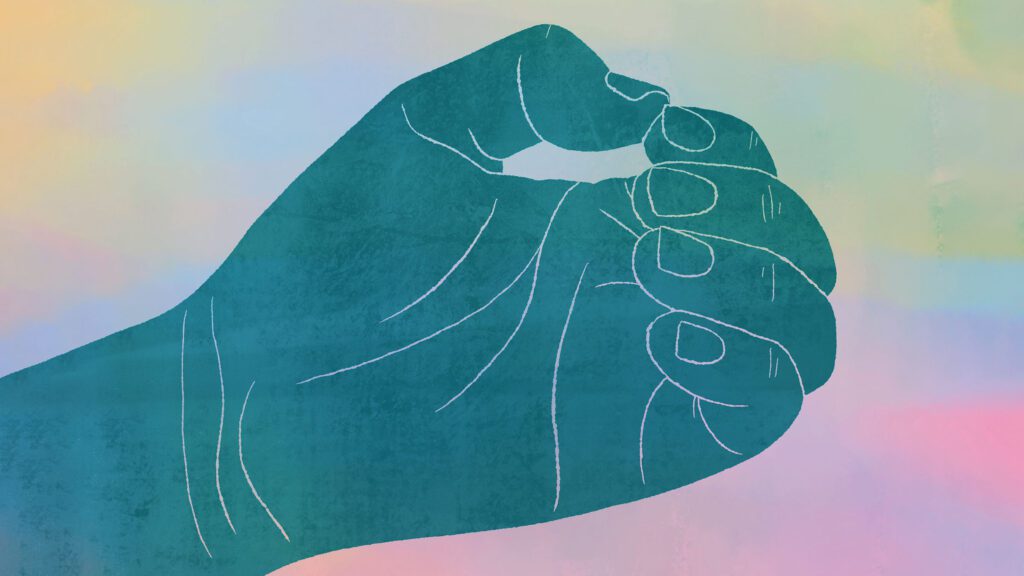
Flower Holding (Kataka) Mudra
Begin to form a fist but stop when the index finger and thumb (and maybe also the middle finger) join, resulting in the formation of a kind of tube or circular opening.
Flowers are a very common object of offering because of their transitory beauty. Some statues portray a figure making the kataka gesture, allowing an actual flower to be inserted as an offering.
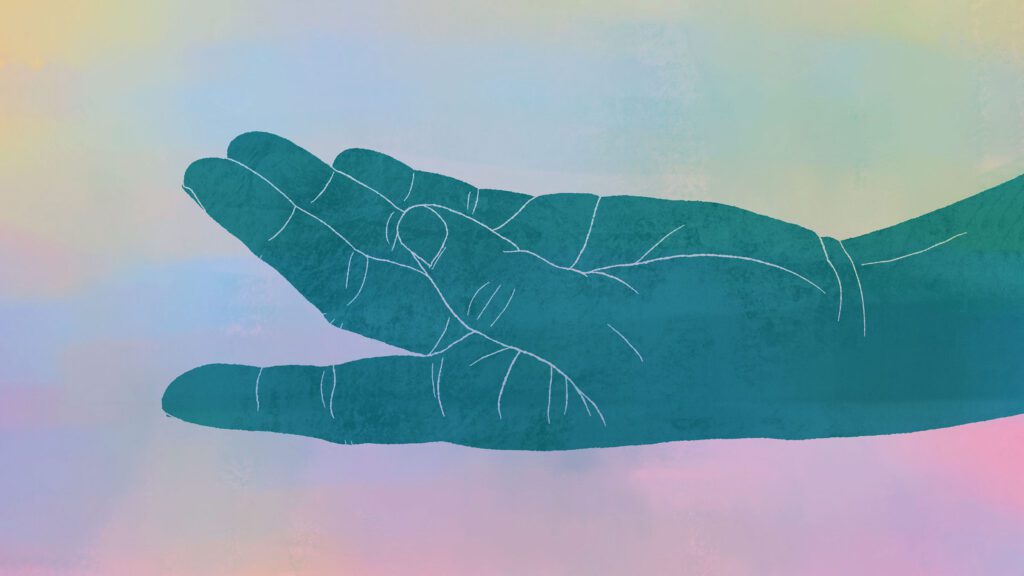
Leisure (Avakasha) Mudra
This is a very simple gesture that often accompanies other mudras. The left hand lies in the lap, palm up. It conveys a sense of ease, not being agitated or perturbed. The Tibetan word pagyang, meaning carefree or letting loose, conveys this sense.