

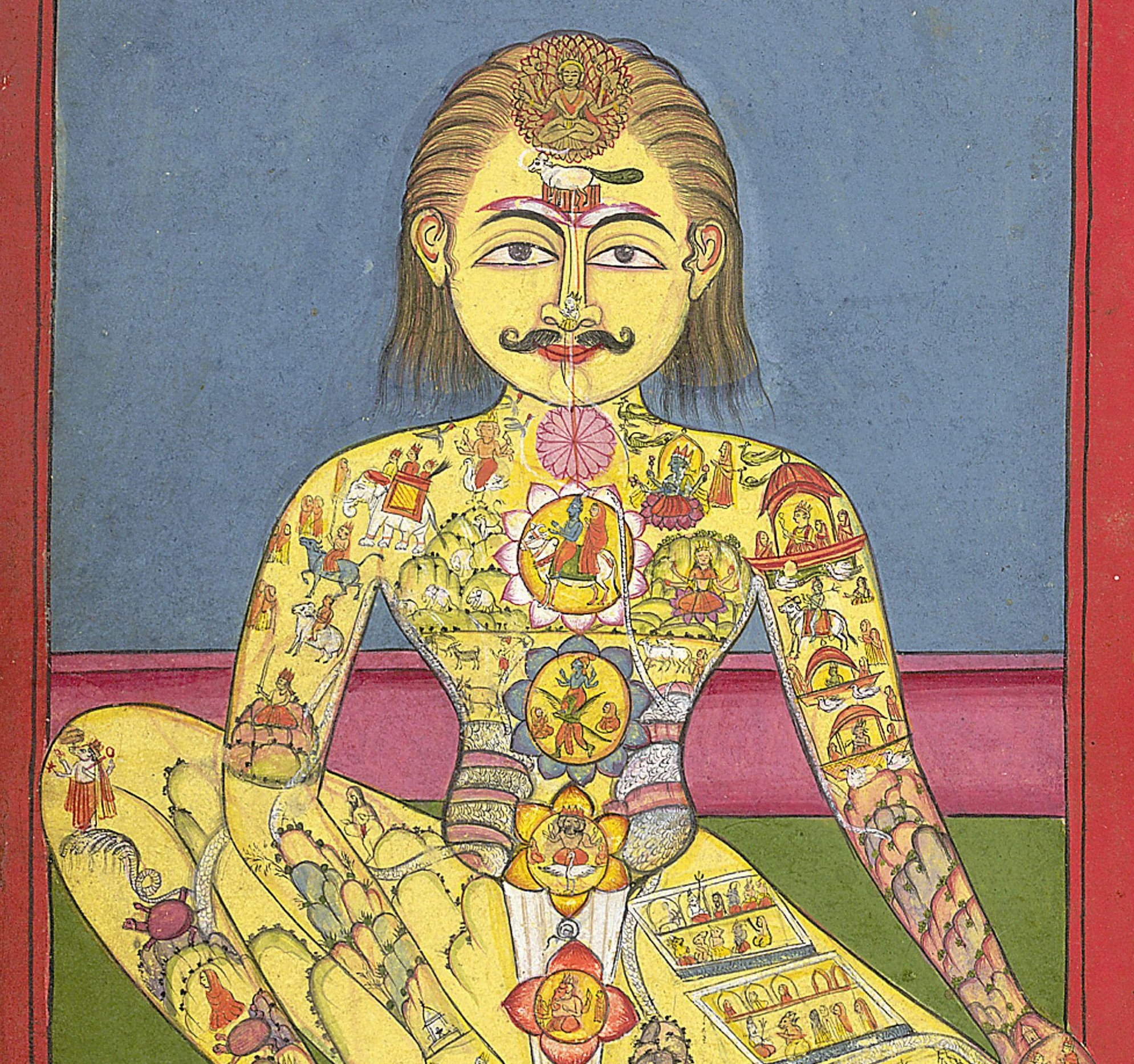

In many contemplative traditions, what’s known as “the subtle body” is understood as a dynamic interplay of energy and awareness that underlies our physical and mental experiences. By cultivating an awareness of this subtle body, we can synchronize mind and body, anchor ourselves in the present moment, and skillfully work with the natural flow of energy to promote balance and well-being.
Understanding the Subtle Body
The subtle body is referred to by different names across various Eastern disciplines: prana (“life force” in Indian yoga and Ayurvedic medicine), lung (“wind energy” in Tibetan medicine and yoga), or qi (“vital energy” in traditional Chinese medicine and martial arts). In Tibetan Buddhist teachings, the subtle body serves as a bridge between our physical form and mental states, housing our emotions and being integral to our overall well-being. It comprises three interconnected aspects: channels, life essences, and inner wind.
The channels act as pathways through which life essences circulate throughout the body. The inner wind drives this circulation. For most of us, this flow is restricted — the channels are conditioned by our habitual patterns, emotions, and karma, creating blocks and detours in the natural flow of energy. When the inner wind, known as lung, is balanced, it supports our well-being. However, intense emotions, overexertion, or stress can disrupt this balance, leading to restlessness and even blocking our capacity for compassion and empathy. To restore balance, we must learn to relax and reconnect with our natural state.
My personal journey with these teachings began during retreats and interviews with Tsoknyi Rinpoche. His insights into the signs of imbalance — restlessness and a sense of unexplained fear — have been invaluable. Rinpoche taught me to gently guide the energy down through the practice known as jam lung, which has become an integral part of my daily routine. These teachings are explained in great detail in his book Open Heart Open Mind.
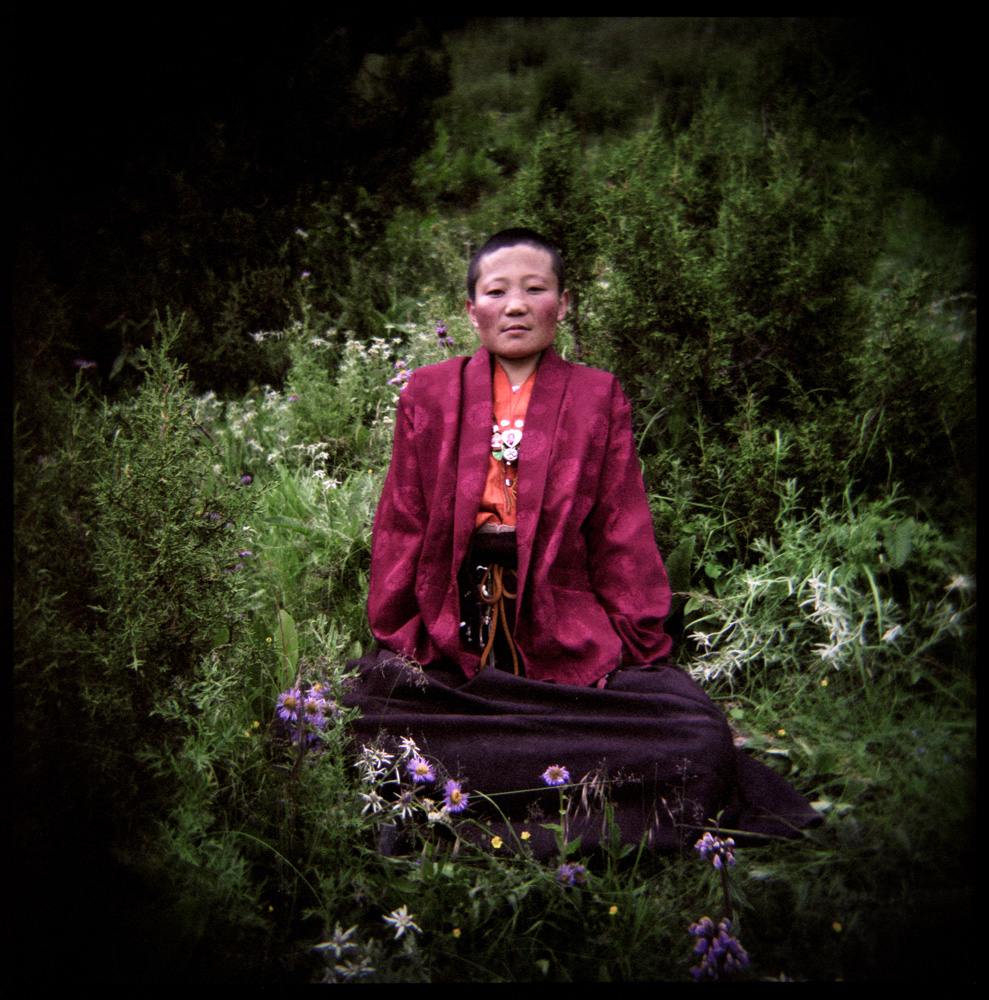
In 2005 I traveled through Nangchen in eastern Tibet with Tsoknyi Rinpoche, photographing the nuns at all his nunneries, including Gechak Gompa, whose community he has long supported. Gechak Gompa is renowned throughout the Tibetan Buddhist world for its tummo practice — an advanced form of subtle body yoga working directly with channels and wind energy. The jam lung practice explained here is more basic, but it draws on the same underlying understanding of channels and inner wind that makes practices like tummo possible.
In the Japanese tradition of martial arts, this energy center is known as the hara — the seat of energy and vitality, both physical and spiritual. Moving from the hara is central to practices like qigong, aikido, and archery. By connecting with the hara and the subtle body, we align ourselves with a deeper source of energy and clarity. Researchers studying meditation and the brain are finding that the rewiring this practice produces is not merely metaphorical but measurably real.
Jam Lung Practice: Grounding and Balancing Energy
- Settle into Your Posture: Sit comfortably, either cross-legged on a cushion or in a chair with your feet flat on the floor. Keep your spine naturally aligned and rest your hands on your thighs or gently over your lower abdomen, just below the navel.
- Scan the Body: Take a few moments to scan your body with relaxed awareness. Notice where you are holding tension — in your head, shoulders, chest, or stomach. Acknowledge these sensations without trying to change them.
- Connect with the Breath: Bring your attention to the natural rhythm of your breath. Instead of filling your lungs completely, breathe in only about 70% of your capacity. Guide the breath downward — like the plunger of a French press gently pushing coffee grounds down — visualizing your breath moving energy to the area three fingers below your navel.
- Engage the Perineum: As the breath reaches below the navel, gently squeeze the perineum to create a very slight upward pressure, helping to retain energy in this area. Imagine holding the breath in a balloon below your navel, allowing it to expand slightly without strain. Retain only as long as comfortable.
- Release and Repeat: Exhale naturally, slowly, and smoothly, then begin the next cycle. With each repetition, focus on calming and settling the restless lung energy as it comes to rest below the navel. Repeat between 20 and 50 times, gradually cultivating a feeling of groundedness.
Refining the Practice
This practice requires retraining the body to breathe in a way that fills the area below the navel rather than the lungs. Focus on gently expanding the lower abdomen while keeping the chest and upper body relaxed. In the beginning, it can be helpful to hold your hands below the navel so you can feel the filling of that area as you breathe in. Over time, this method of breathing will feel natural and intuitive.
The process of guiding the breath downward and retaining it below the navel helps calm disturbed lung or wind energy. By bringing this energy to rest, you create a stable foundation for mental clarity and emotional balance.
Extending the Practice into Daily Life
The subtle body practice is not limited to formal meditation. It can be a valuable resource throughout the day:
- During stress: Guide the breath downward to stabilize the mind and calm scattered energy.
- In conversations: Maintain subtle awareness of the area below the navel to stay present and engage skillfully.
- While working: Check in periodically with your breath and physical sensations to keep energy balanced and focus sharp.
Integrating these teachings into my daily routine has helped me in a number of ways. During times of anxiety or depression, this practice has enabled me to free myself from a state of mind that had become rigid and frozen. When my mind is restless, I find this practice helps me ground before formal sitting practice. This approach, based on Tsoknyi Rinpoche’s guidance, not only helps manage lung’s restlessness but also maintains our energy circulation, allowing us to function effectively in the world.
This piece is adapted from Chapter 13 of Short Moments, Many Times: Mindfulness, Meditation, and the Art of Being Present, coming soon from Studio Lucida Press.