


I sat atop a long wooden dock overlooking the Lagoon of Seven Colors in Bacalar, Mexico. I wanted to meditate, but felt hesitant, aware of the other visitors around me. They were splashing and diving, rocking their children and lovers in the water.
As a compromise, I sort of half-meditated, resting my palms face up on my legs and looking out at the brilliant turquoise water. It wasn’t the same. My practice called to me.
Sitting on a folded pashmina to elevate my hips, I crossed my legs, and began to feel my belly rise and fall. I sensed the wind on my skin, the gentle sloshing of the water sounding in my ears.
On the surface, nothing miraculous happened, but within, I began to feel the place I’d been for the last two hours a little differently, more deeply — fully present. That was a miracle in itself.
As I sat, a certain discomfort around meditating in public paid me a visit, my mind telling me people were probably making fun of me, snickering as they walked by. Maybe they thought I was being performative — I certainly didn’t look like a monk in my cherry red bikini and wide-brimmed sun hat.
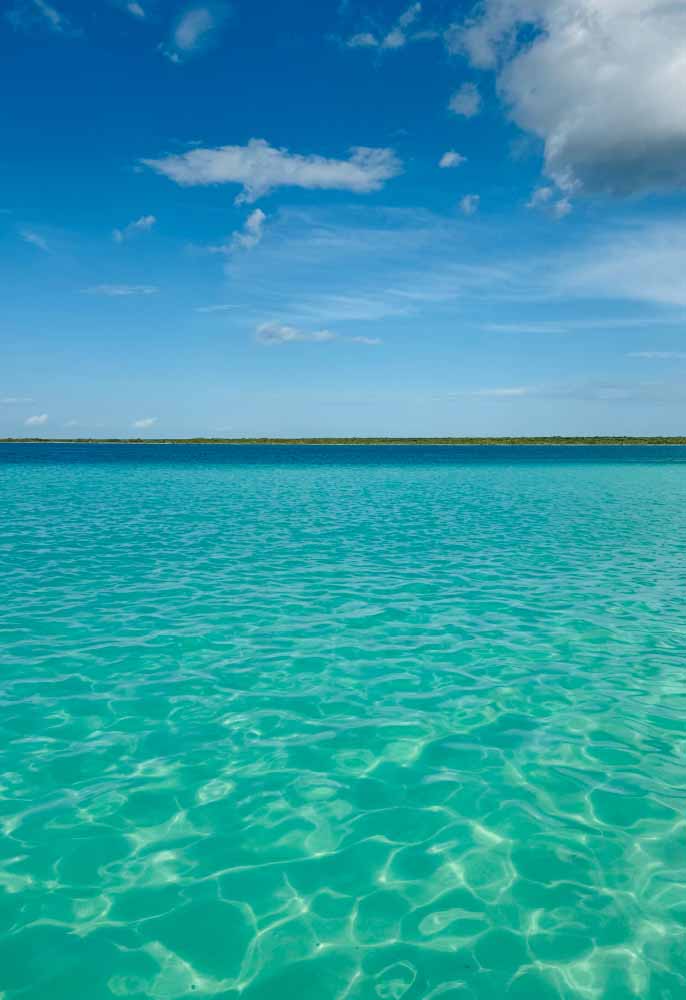
Instead of harboring on the thought, I allowed the feeling, offering it a name: discomfort. Meditating in public is sometimes uncomfortable. That’s ok.
Neuroscientist Jill Bolte Taylor has famously noted that the physiological lifespan of an emotion in the body is about 90 seconds. Anything beyond that can be considered self-inflicted, prolonged by our own thoughts, resistance, and rumination.
Sitting with my discomfort, I knew that if I simply stayed and allowed the emotion, it would move through in Dr. Taylor’s aforementioned 90 seconds, much like the waves in the lagoon. If I can endure the physical discomfort of holding a plank for the same length of time, as I did in Bacalar teaching yoga and pilates, then I could sit with a difficult emotion for just as long.
So I allowed the awkwardness. The awareness of being seen. The possibility of judgement from strangers, who I know are, in truth, just like me.
The words of Zen teacher Norman Fischer returned to me: “Confronting, accepting, being with negative thinking and feeling, knowing that they are not the whole of reality and not you, is the most fruitful and beneficial of all spiritual practices — better even than experiencing bliss or oneness.”
Something in me softened. I stopped reaching for bliss, knowing it can’t be grasped anyway. The discomfort dissolved. I opened my grasping hands, dropped back into my body, and rested in the present moment.
I felt the little pang of pain between my shoulder blades that arrives when I’ve been sitting awhile. I thought about how I should stop and buy a tennis ball on the way home to use for a self-massage.
The sun hit my back, now setting behind the mangrove trees, welcoming me gently out of my practice. I bowed my head, opened my eyes, and saw far fewer people than before I closed them.
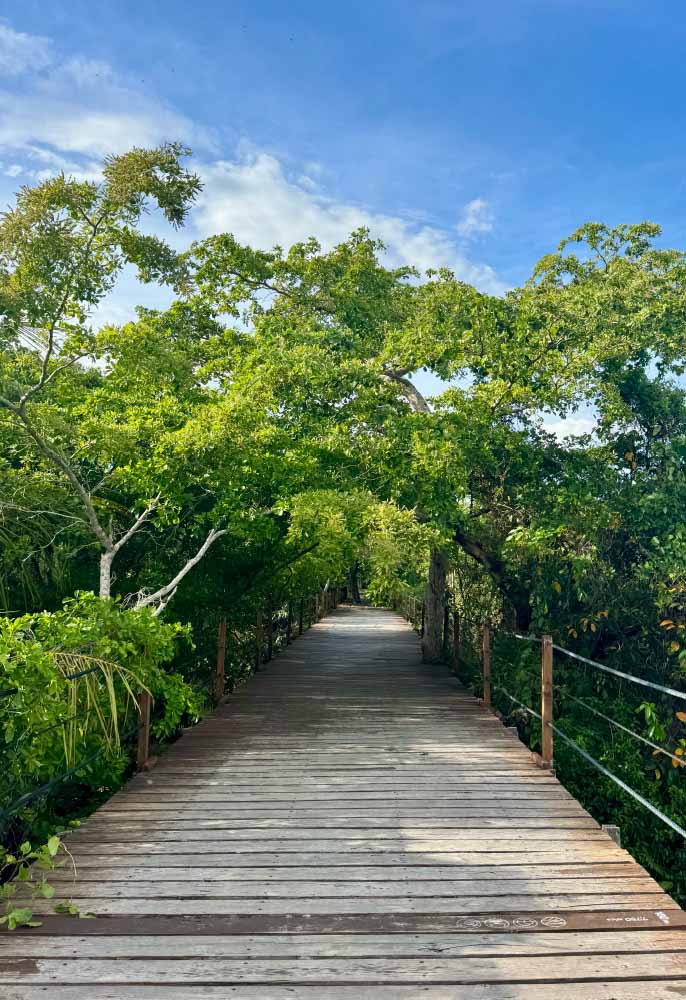
Very slowly and softly, I walked back up the boardwalk of the Bacalar eco park, admiring the yellow-bellied birds, the look of the water, and vegetation now bathed in golden light.
I paused to take one last glance before turning a corner, where a man with two young sons asked me how I was doing. “Good,” I said. “It’s very peaceful here.”
“You were meditating right?” he asked.
“Asher likes to meditate,” he said, putting his hand on his youngest son’s shoulder. “He sat down near you for a few minutes.”
A wide smile spread across my face. All that worrying about being seen, about being judged, when really all I was doing was modeling presence. From that, emerges oneness.
We walked together up the boardwalk — Asher’s dad telling me about his work as a tennis instructor. He gifted me a tennis ball. I walked home, smiling at every not-so-stranger along the way.