


How to Practice Self-Compassion
Learn the practice of tonglen (exchanging self and other) meditation specifically directed toward yourself, discovering why self-compassion is essential rather than selfish, and exploring the three key components — empathy, care, and agency — that build genuine compassion for both yourself and others.
Introduction: Why Self-Compassion Matters
Meet teacher Ethan Nichtern as he introduces the Buddhist understanding that truly awakened people experience compassion for themselves and others equally, with no division — challenging the myth that self-compassion is selfish and explaining why you should always begin compassion meditation with yourself.
01:44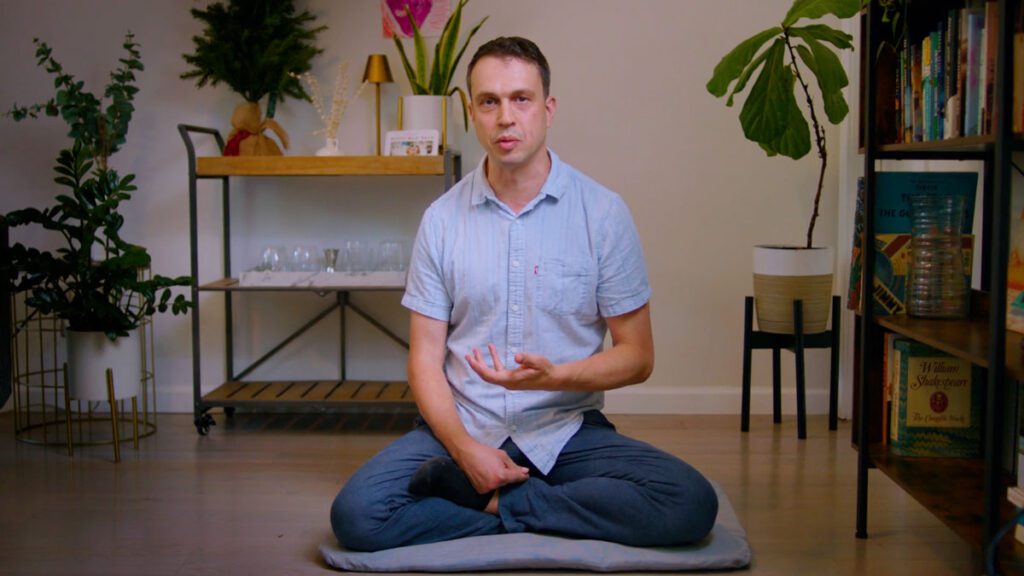
Introduction: Why Self-Compassion Matters
Meet teacher Ethan Nichtern as he introduces the Buddhist understanding that truly awakened people experience compassion for themselves and others equally, with no division — challenging the myth that self-compassion is selfish and explaining why you should always begin compassion meditation with yourself.
01:44
The Three Aspects of Compassion
Explore the components of tonglen meditation and discover compassion’s three essential aspects: empathy (imagining what you’re experiencing), care (genuinely wishing yourself free from suffering), and agency (offering what might help) — learning why each element is crucial for effective self-compassion practice.
12:18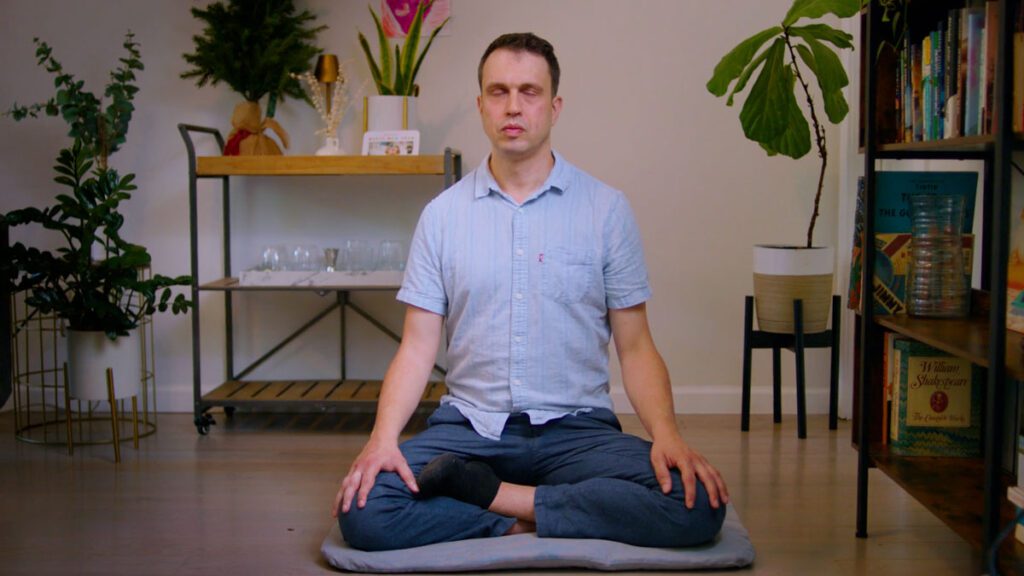
Guided Tonglen Practice for Yourself
Experience a complete tonglen meditation session, visualizing yourself in front of you, breathing in your own difficulty and breathing out whatever might help, then expanding the practice to include others who share similar struggles — discovering how self-compassion naturally leads to compassion for others.
14:29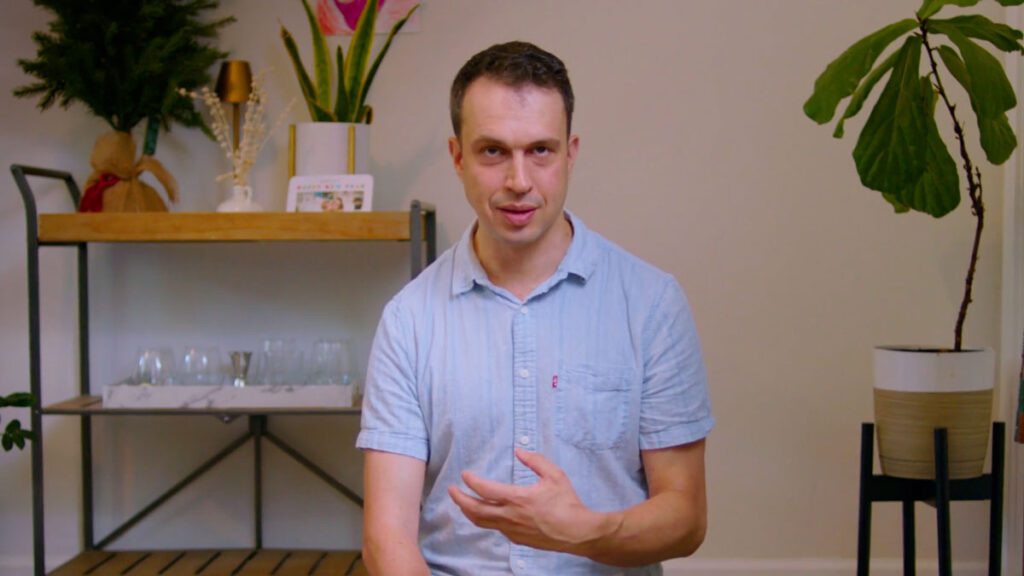
Taking Self-Compassion Into Daily Life
Learn to apply self-compassion “on the spot” during difficult moments throughout your day, using just a few breath cycles to work with self-judgment and embarrassment, building this practice into muscle memory alongside formal meditation sessions.
04:05