

Category: Buddhadharma
The Sutra That Saved Me
Nichiren practitioner Johnny Edward Dean Jr. reflects on how his daily practice and chanting the Odaimoku helped him navigate mental health challenges during the Covid-19 pandemic.
Jack Kornfield’s Instructions for Metta Meditation
Jack Kornfield on beginning the time-honored, heart-opening practice of metta (loving-kindness) meditation.
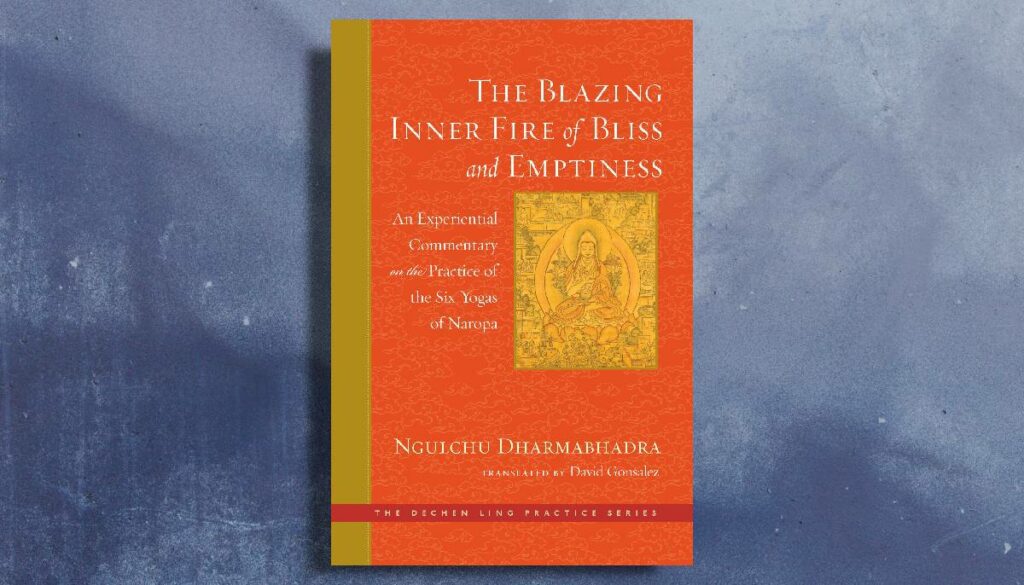
Blazing Inner Fire
Read an excerpt from From The Blazing Inner Fire of Bliss and Emptiness by Ngulchu Dharmabhadra, translated by David Gonsalez, courtesy of its publisher, Wisdom Publications.

What does it mean to understand Buddhism through the body?
Roxanne Dault, Meido Moore, and Lopön Charlotte Z. Rotterdam discuss what it means to understand Buddhism through the body — the heart of the Buddhist path.
What “No Self” Really Means
The journey of awakening, says Buddhist teacher Gaylon Ferguson, begins by examining our usual beliefs about who we are. Because maybe we’ve got it wrong.

Luminosity: The Heart of The Six Dharmas of Naropa
Across the major Buddhist traditions, the mind’s basic condition is described as luminous, naturally free from afflictions or karmic imprints, which are merely adventitious, like clouds covering the sky. The Buddha refers to this naturally luminous mind in the Nikayas, the Perfection of Wisdom sutras, and the tantras. Dzogchen and Mahamudra teachings also emphasize natural…
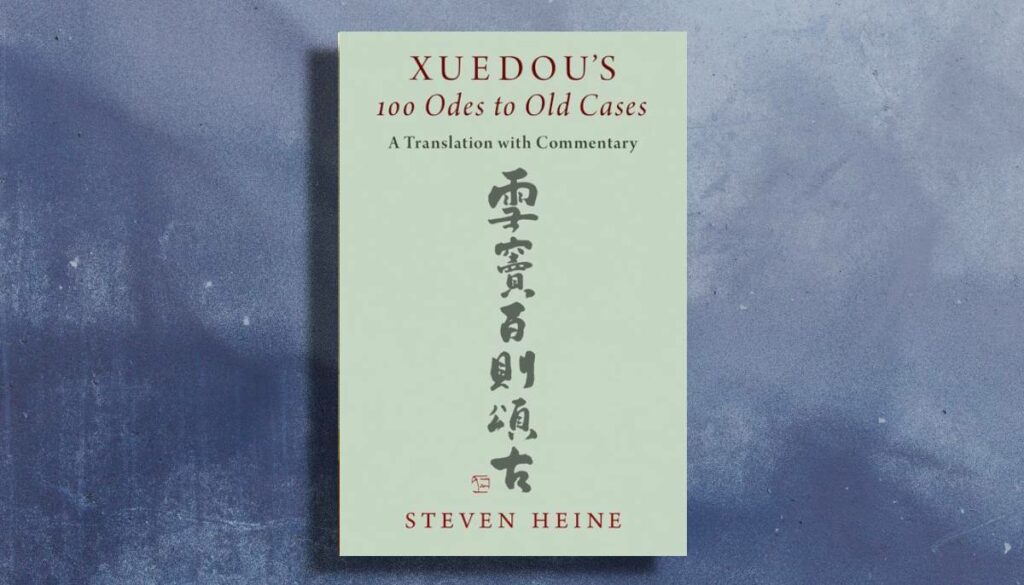
Excerpt: Xuedou’s 100 Odes to Old Cases
Read a brief of Xuedou’s 100 Odes to Old Cases: A Translation with Commentary by Steven Heine and an exclusive excerpt courtesy of its publisher, Oxford University Press.
Resting In Luminosity
Lama Karma Wall on how the practice of clear light (osel) yoga can help us recognize the luminous nature of our mind free from dualistic conceptualization.

Awakening Through Dream
What role do dreams have in our path to liberation? Charlie Morley on the history and benefits of the fourth of Naropa’s Dharmas, milam, or yoga of the dream state. Includes a short dream yoga practice for you to try tonight.
What Would the Buddha Do?
Myokei Caine-Barrett, Dave Smith, and Lama Karma Yeshe Chödrön on knowing — or not knowing — what the Buddha would do.
The Practice of Fierce Inner Heat
Judith Simmer-Brown on tummo, one of the most famous esoteric practices of Tibetan Vajrayana and the Six Dharmas. What is it, what are its benefits, and what role does it play in our journey to enlightenment?
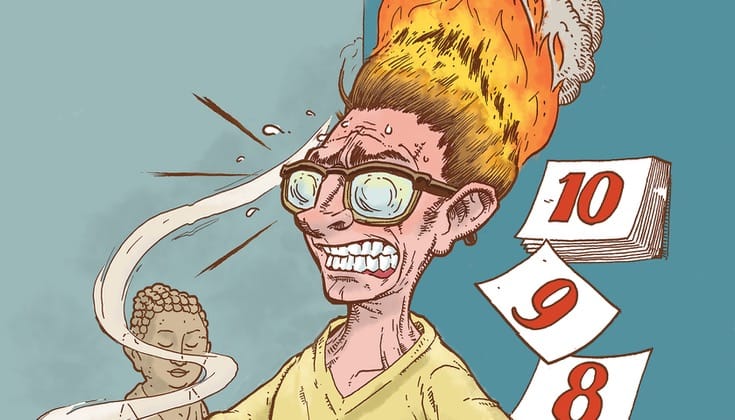
Practice Like Your Hair’s on Fire
Enlightenment is possible in this lifetime but time is running out. We have to make the most of this rare and fleeting opportunity to wake up.

Watch – New Videos and Resources on Reckoning With Abuse in Buddhist Communities
Confronting systemic abuse within spiritual communities is important for individual and community alike. That's why Damchö Diana Finnegan, co-founder of the Dharmadatta Community, has launched a series of interviews that aim to help us face and understand abuse and how to promote community accountability and justice for survivors. Freshly updated with new videos
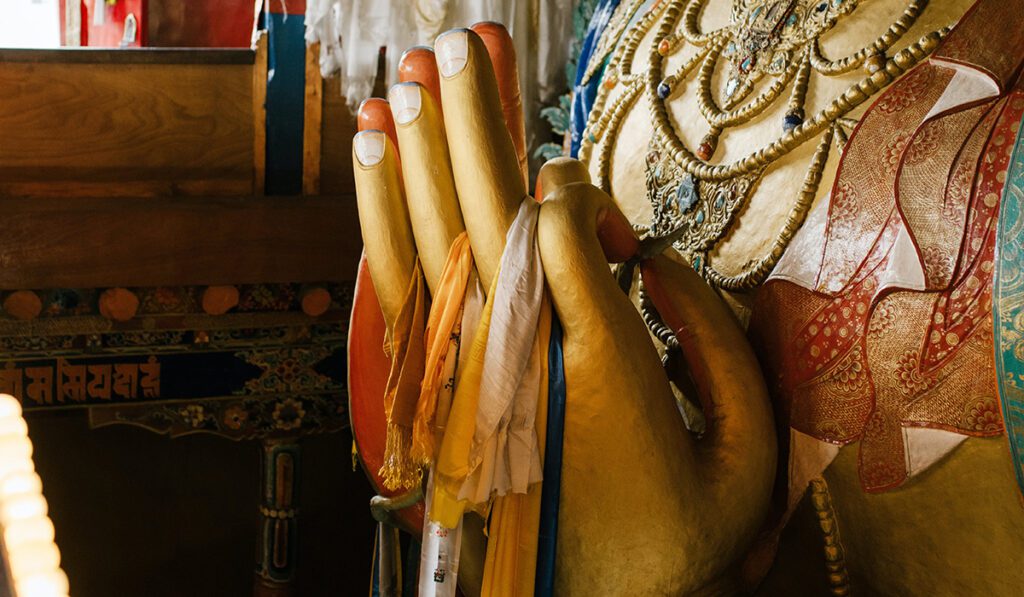
How should I approach Buddhist chanting?
Chris Jay, Zenju Earthlyn Manuel, and Ayya Medhānandī take a closer look at chanting in Buddhist practice.
A Rich Tapestry
Vincent Fakhoury Horn on a special, crowdfunded project in appreciation of dharma teachers.
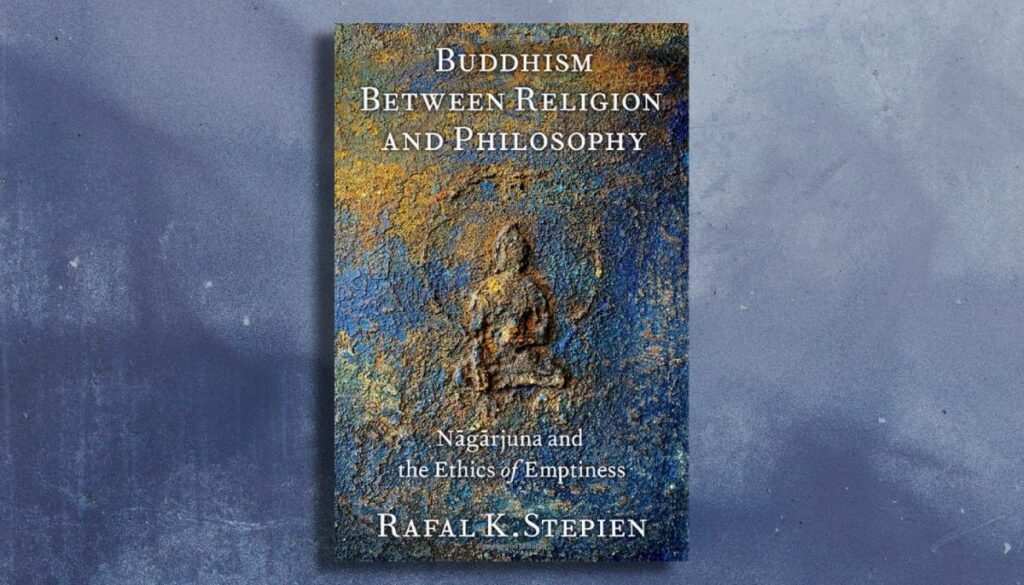
Excerpt: Buddhism Between Religion and Philosophy, by Rafal Stepien
Read a brief of Buddhism Between Religion and Philosophy: Nāgārjuna and the Ethics of Emptiness by Rafal K. Stepien, and an exclusive excerpt courtesy of its publisher, Oxford University Press.
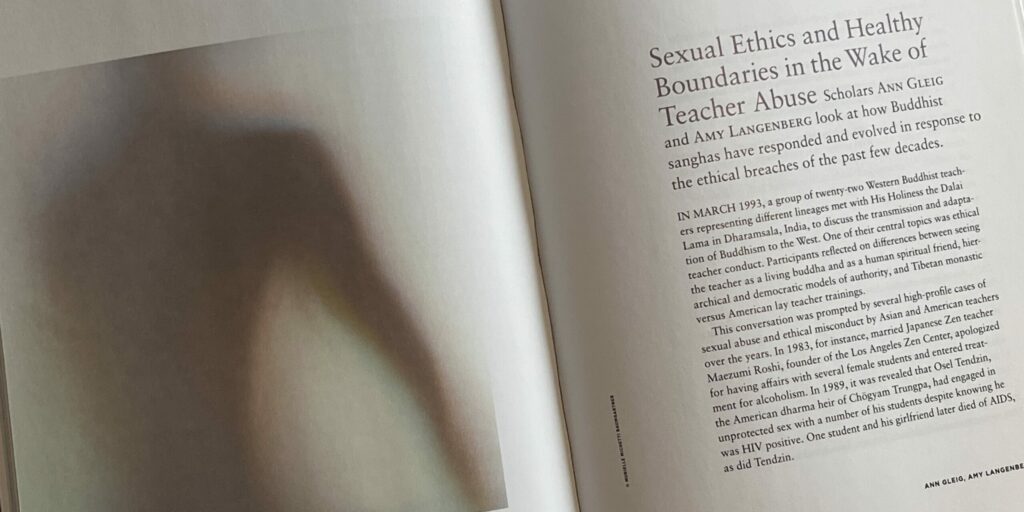
Resources for Confronting Abuse in Spiritual Communities
From Ann Gleig and Amy Langenberg, authors of “Sexual Ethics and Healthy Boundaries in the Wake of Teacher Abuse,” from the Winter 2023 issue of Buddhadharma, comes this gathering of select websites, communities, and projects of value to Buddhist communities, teachers, and students looking to develop and maintain best practices when it comes to fostering healthy teacher-student relationships and addressing conflicts and pitfalls.
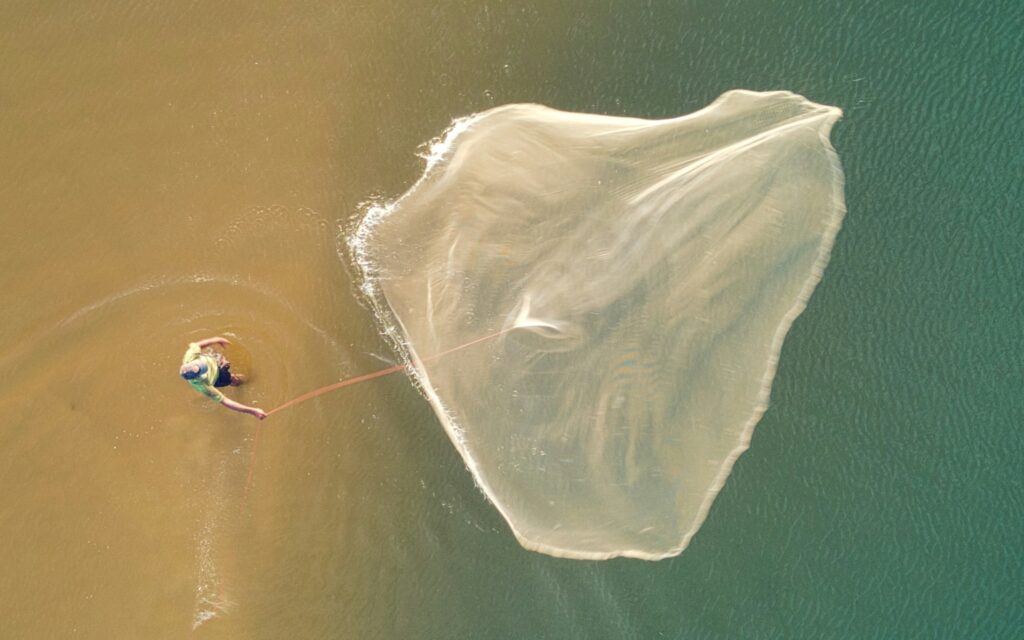
Emptiness, Existence, and “I”
Buddhist practitioner Ching Pan explores the Buddhist concepts of "emptiness" and "existence" within the Mahayana tradition, showing how they complement each other and reflect our inner states.
Meditations on Buddhanature
Four Buddhist teachers share concise instructions for recognizing the luminous nature of mind.
How can I move from understanding emptiness philosophically to experiencing it directly?
“I think I have some intellectual understanding of the Buddhist teachings on emptiness, but when I look at the world or at myself, I don’t see them as empty. How do I go from a philosophical understanding to a direct experience of emptiness?”