

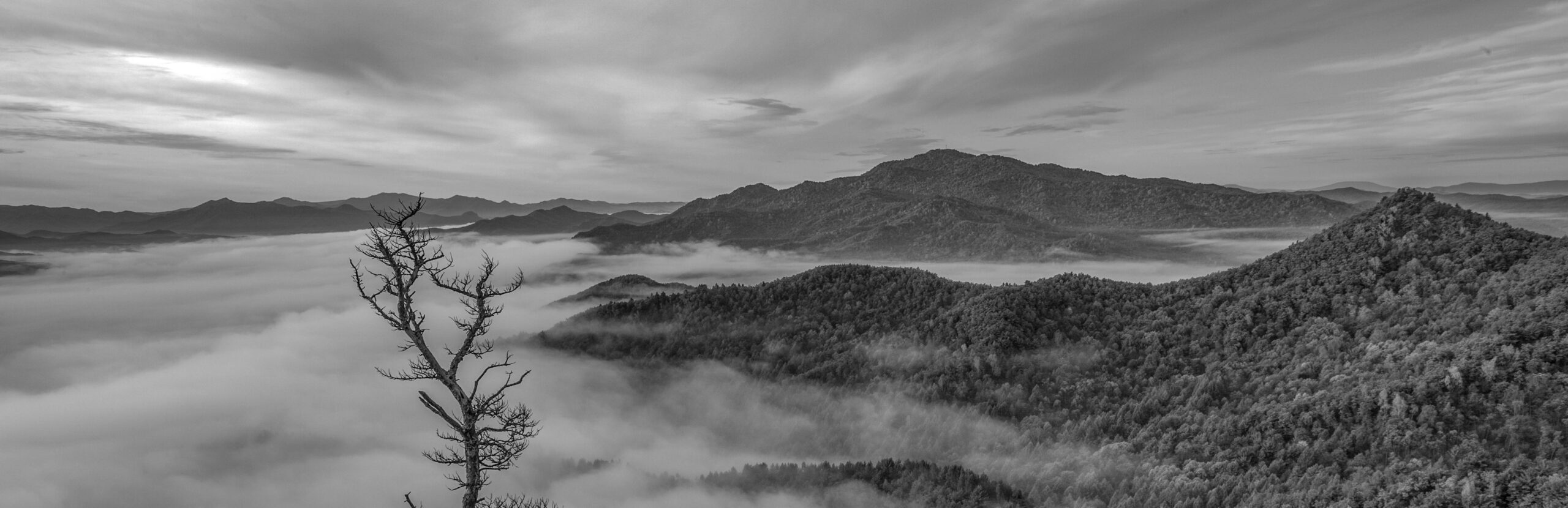
The Long View
A Chan teacher who lived through upheaval insisted that every day could be a good day. David Chang on why that isn’t as naïve as it may sound.
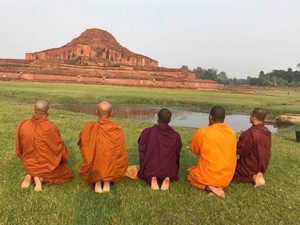

How Red Pine (aka Bill Porter) “Dances With the Dead”
In this video interview with John Kain, the famed translator reflects on the mountain hermits and packed Zen retreats his work has inspired in China, the long search that finally cracked the Diamond Sutra for him, and more.
Deep Dive
Awakening to Life — Through Death
The ten pieces in this month’s Deep Dive meet death from many angles. They range from Tibetan bardo teachings that prepare the mind for the moment of dying, to Pure Land guidance on supporting the dying and those who love them, to the unscripted reality of death as caregivers actually encounter it. Teachers including Andrew Holecek, Judy Lief, Roshi Joan Halifax, John Tarrant, and Lama Shenpen Hookham also bring death close to home: into aging, into partnership, into the ordinary moment we’re living right now.

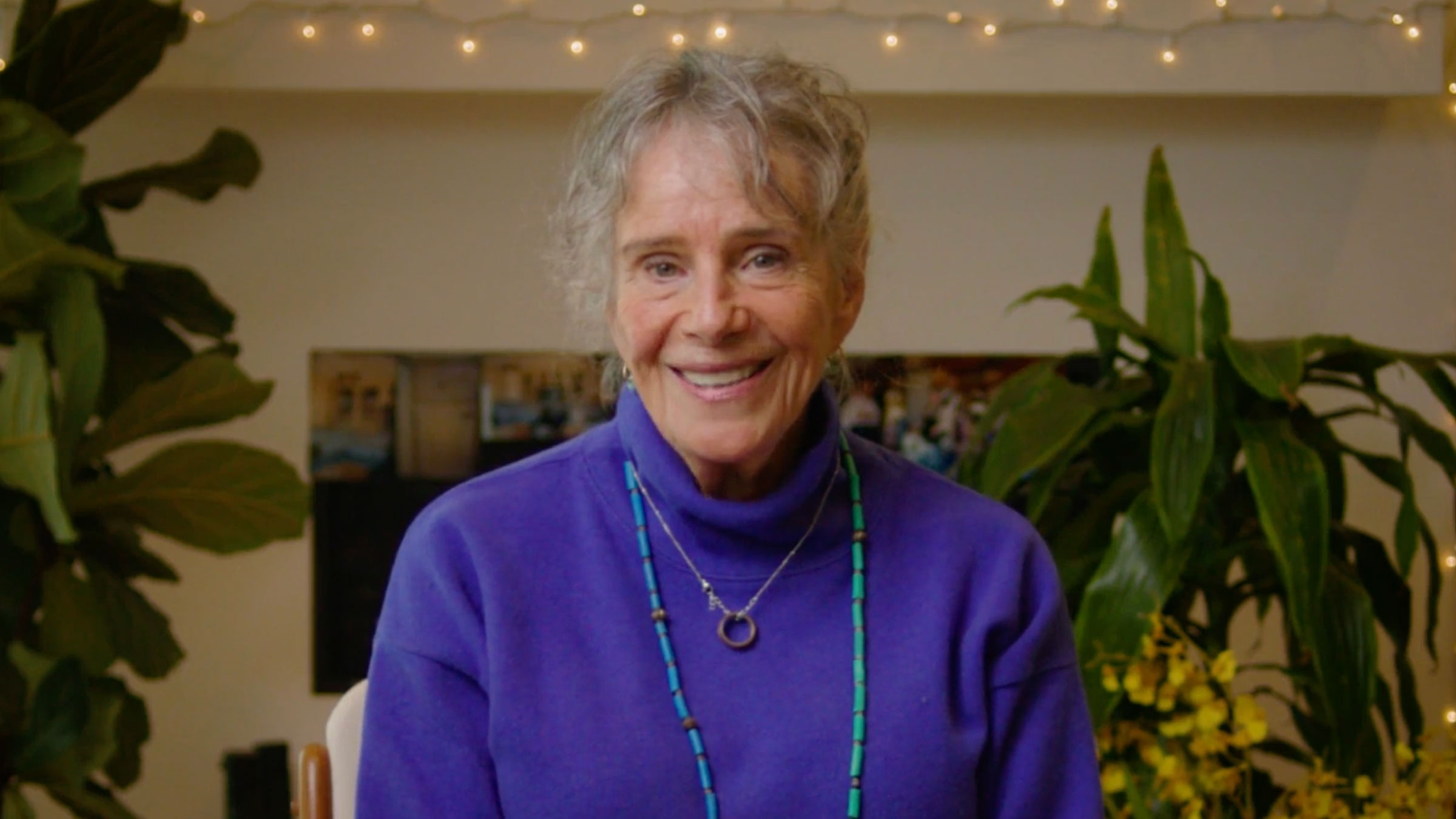
Learning to Live Through Death
Trudy Goodman shares how nearly dying helped her discover that time is never wasted if we’re conscious and alive, aware and present.

How to Help When Death Is Near
Those who are dying and their families need compassionate support. Drawing from Pure Land Buddhism, Rev. Michael Tran explains how to provide that support.
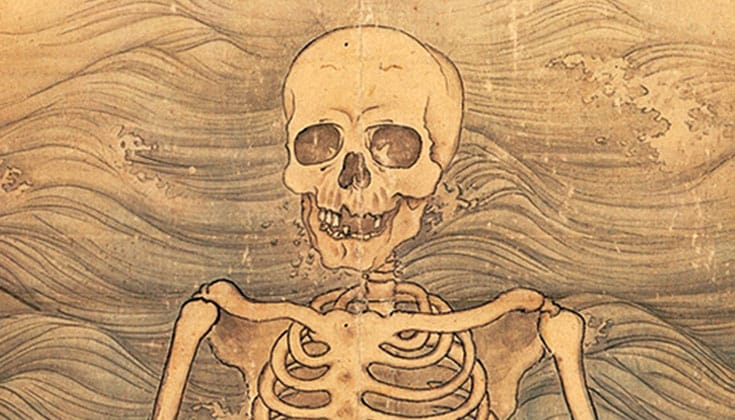
A Path Beyond Death
People often think that Buddhism’s view of death is that it doesn’t matter and we should just accept it, but that is a crucial misunderstanding.
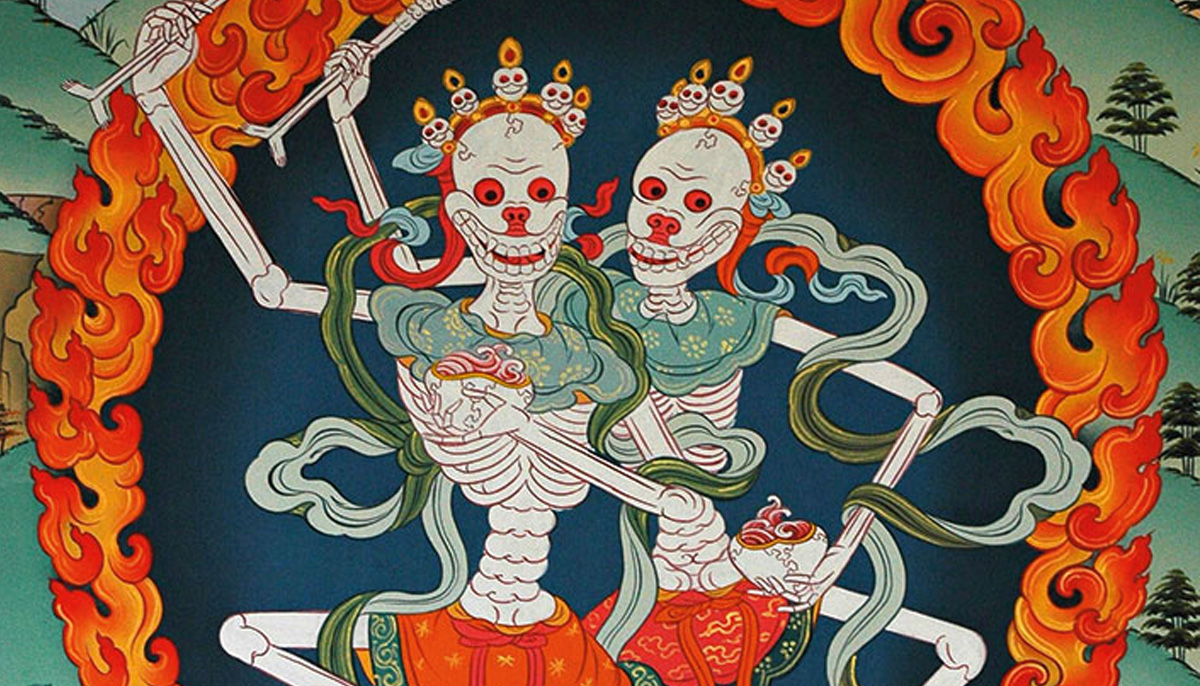
Good Death? Let's Get Real
Most of the time death won’t follow our script, says Roshi Joan Halifax. But amid its messiness and pain, our experience can be respected, and we can learn.


Death Is Nothing to Fear
As you age, death creeps closer. Zen teacher John Tarrant on how face mortality and truly live.
Are You Ready for Death?
What we see as the worst crisis of our lives is actually an opportunity to discover enlightened mind, says Dzogchen Ponlop Rinpoche.
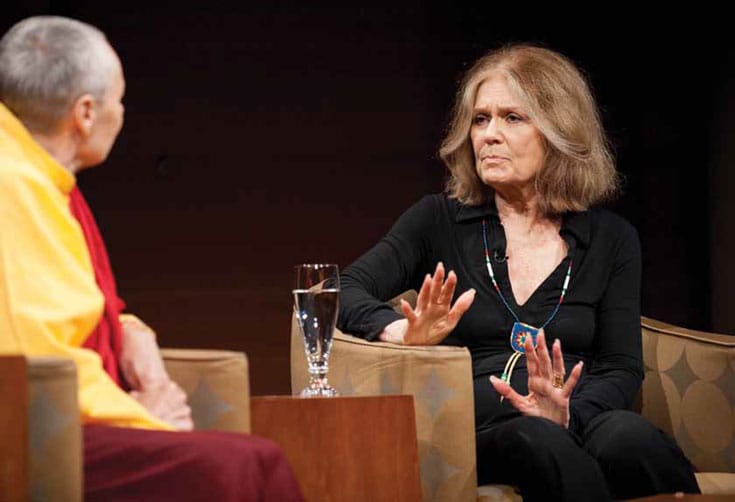
Waking Up to Patriarchy
In this 2015 conversation, the late Gloria Steinem joins Jetsunma Tenzin Palmo to talk about personal challenges they’d each faced, progress they’d seen, and why there’s more to be done.
Is Your Life Too Busy for Loving-kindness?
One small word in the Metta Sutta raises a question that modern practitioners may prefer not to ask: What if meditation cannot compensate for the lives we have
Who Wrote This? On Buddhism & Agency in the Age of AI
When AI writes your emails, edits your prose, and so on, where does “you” end? Hajeong Park finds that Buddhism has been sitting with this question for centuries — and that its answer, rooted in non-self and dependent origination, gives us a useful framework for navigating the age of AI.
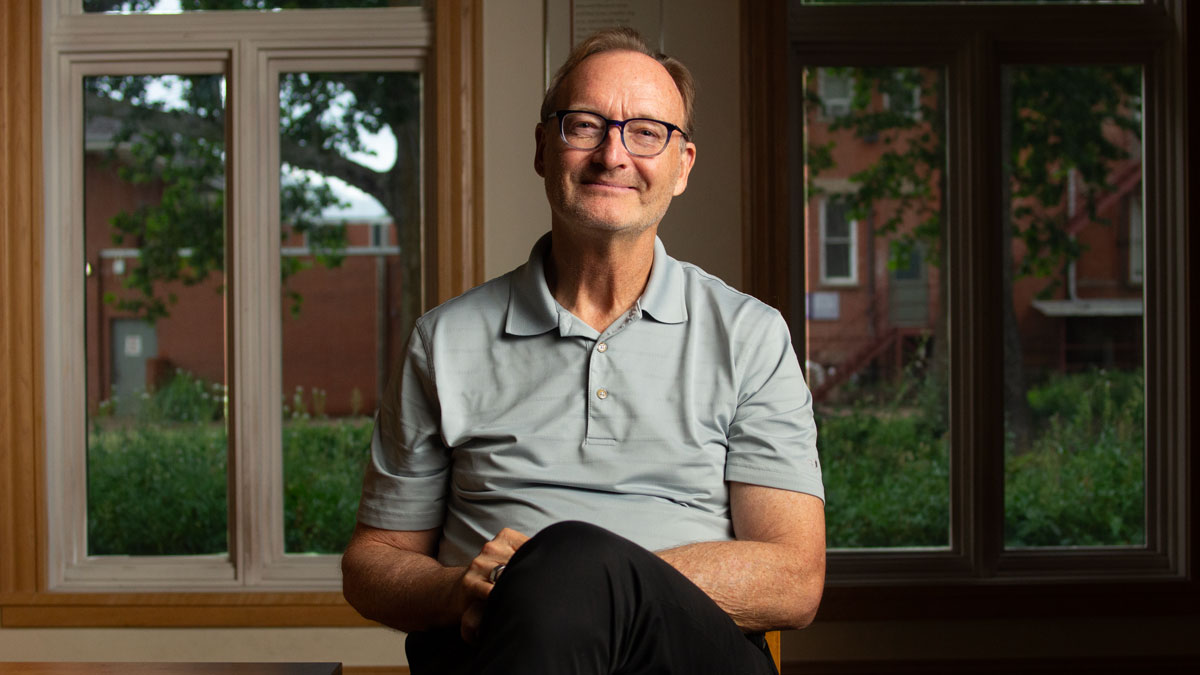
Meet the Teacher: Andrew Holecek
Andrew Holecek, whose work involves studies on dream yoga, the practice of dark retreat, and coming to terms with death, impermanence, and loss, speaks to Lion’s Roar’s Rod Meade Sperry about what makes him tick, and what he teaches in “Waking Up to Death,” his new online course coming soon from Lion’s Roar.

Dharma Books: Excerpts
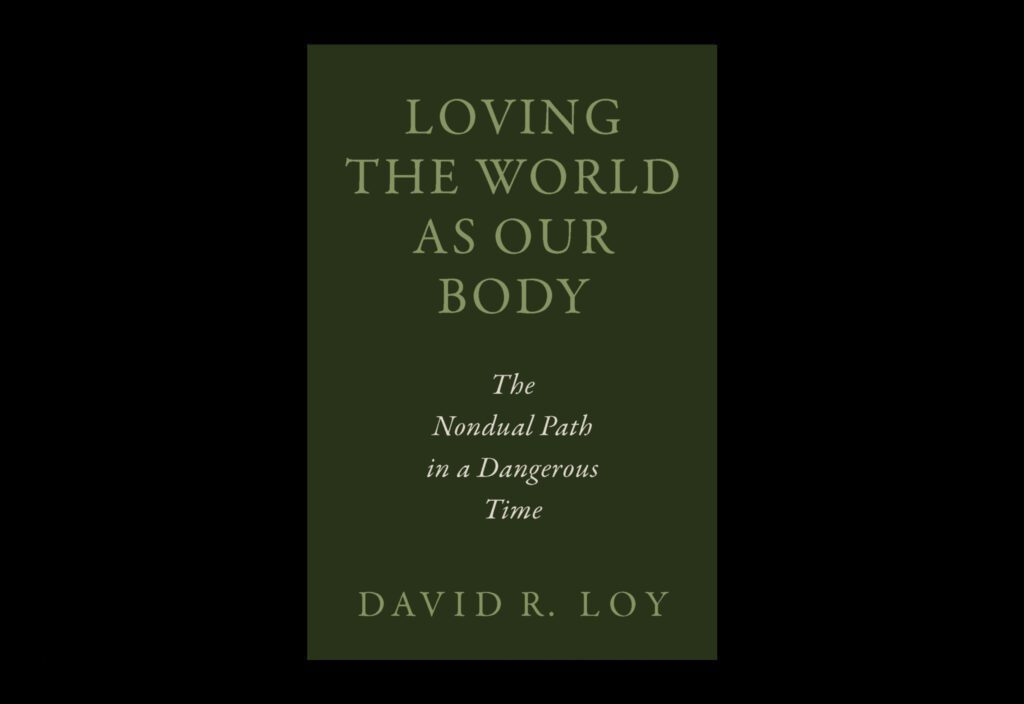
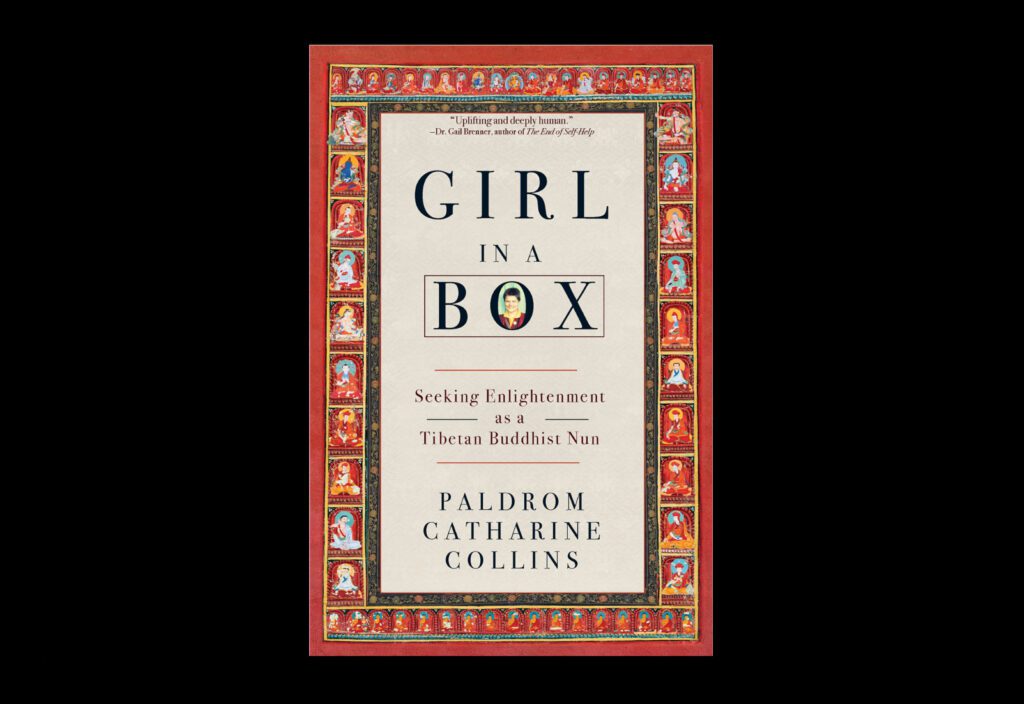
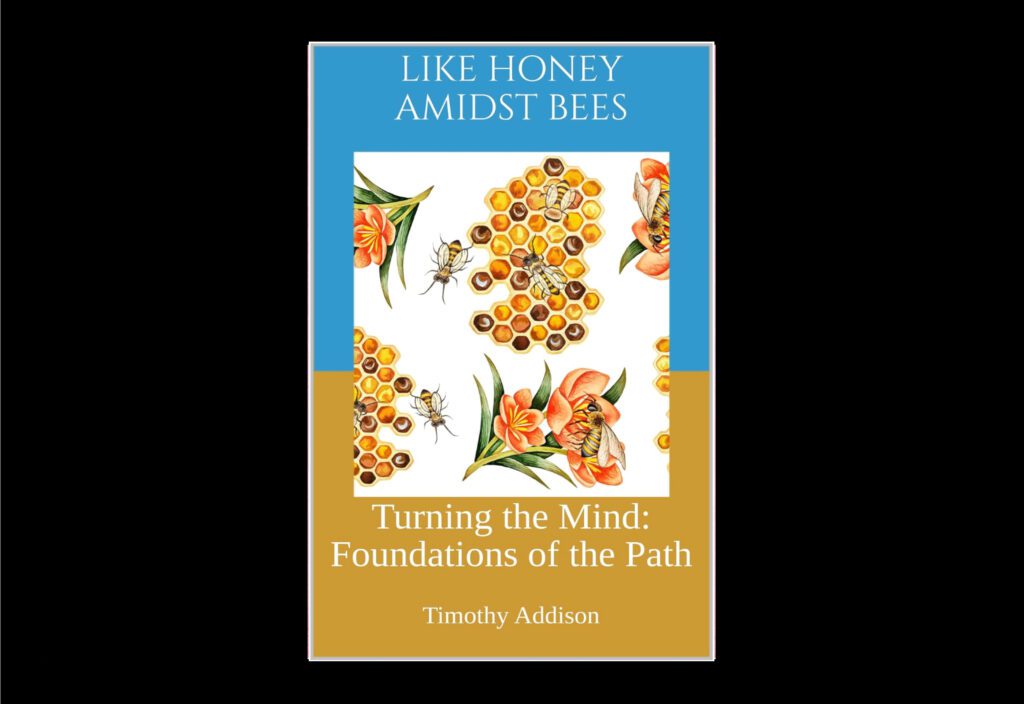
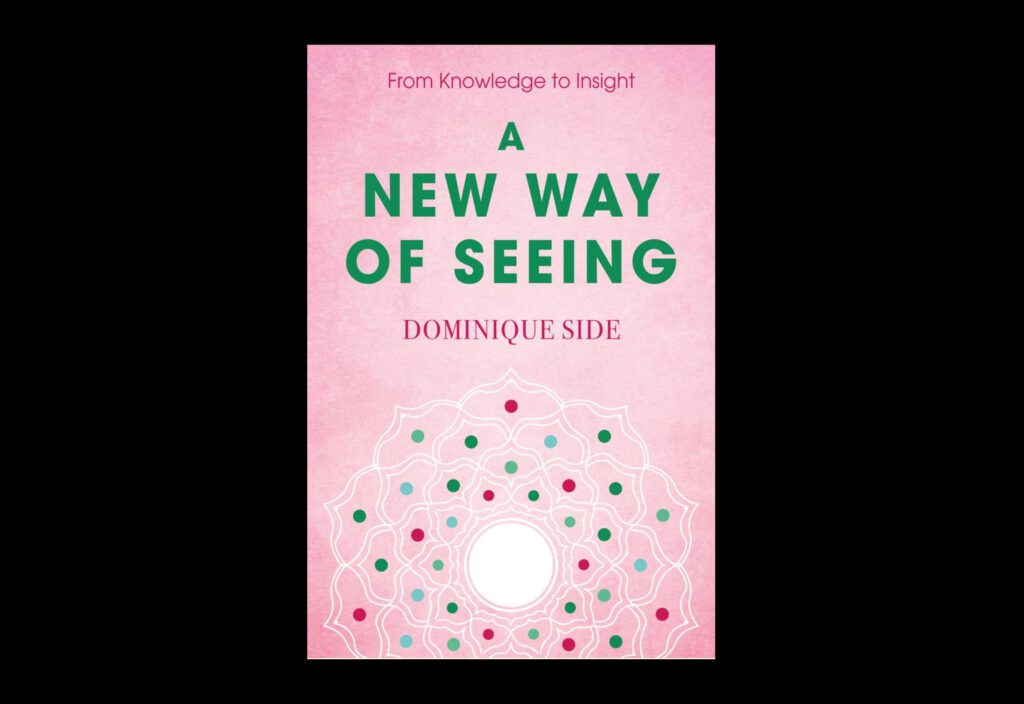
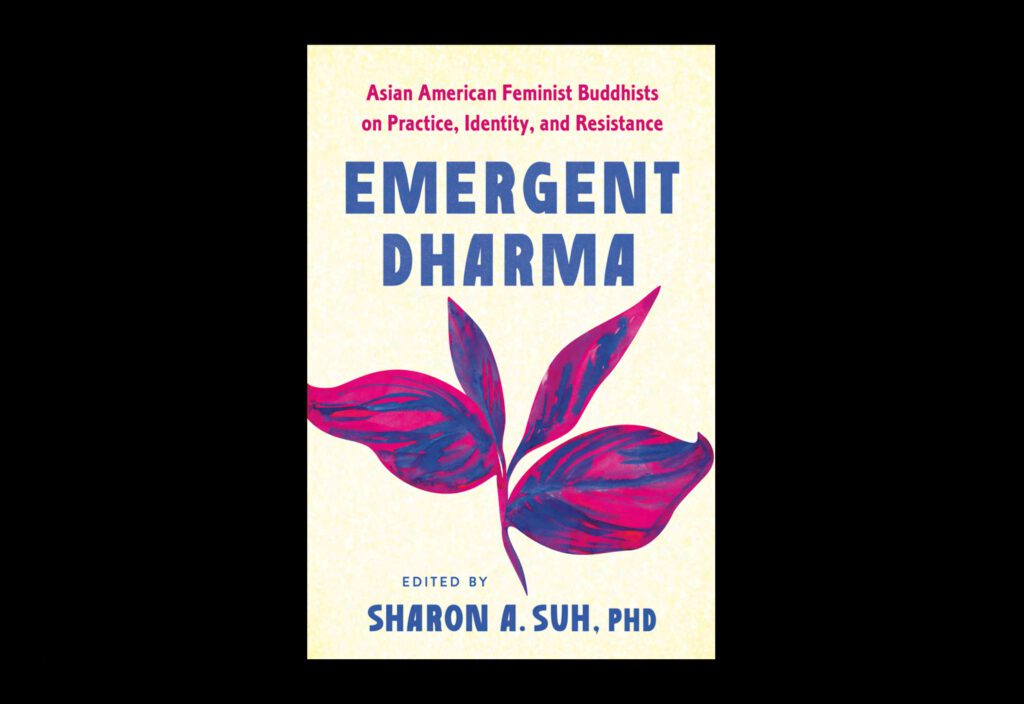
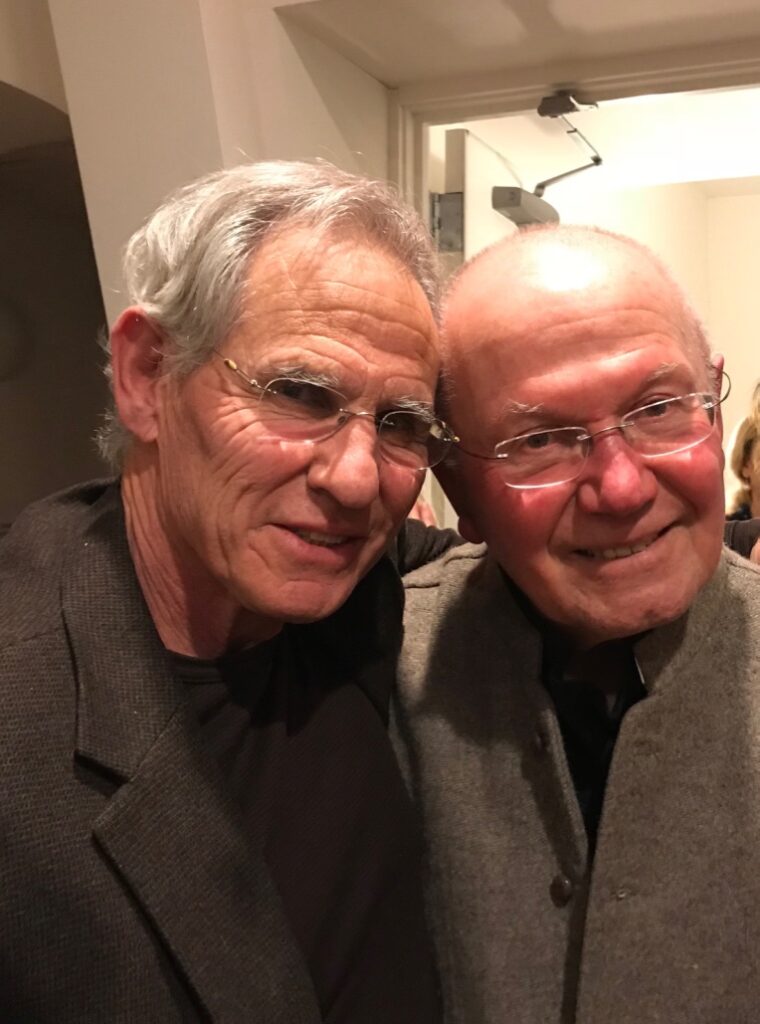

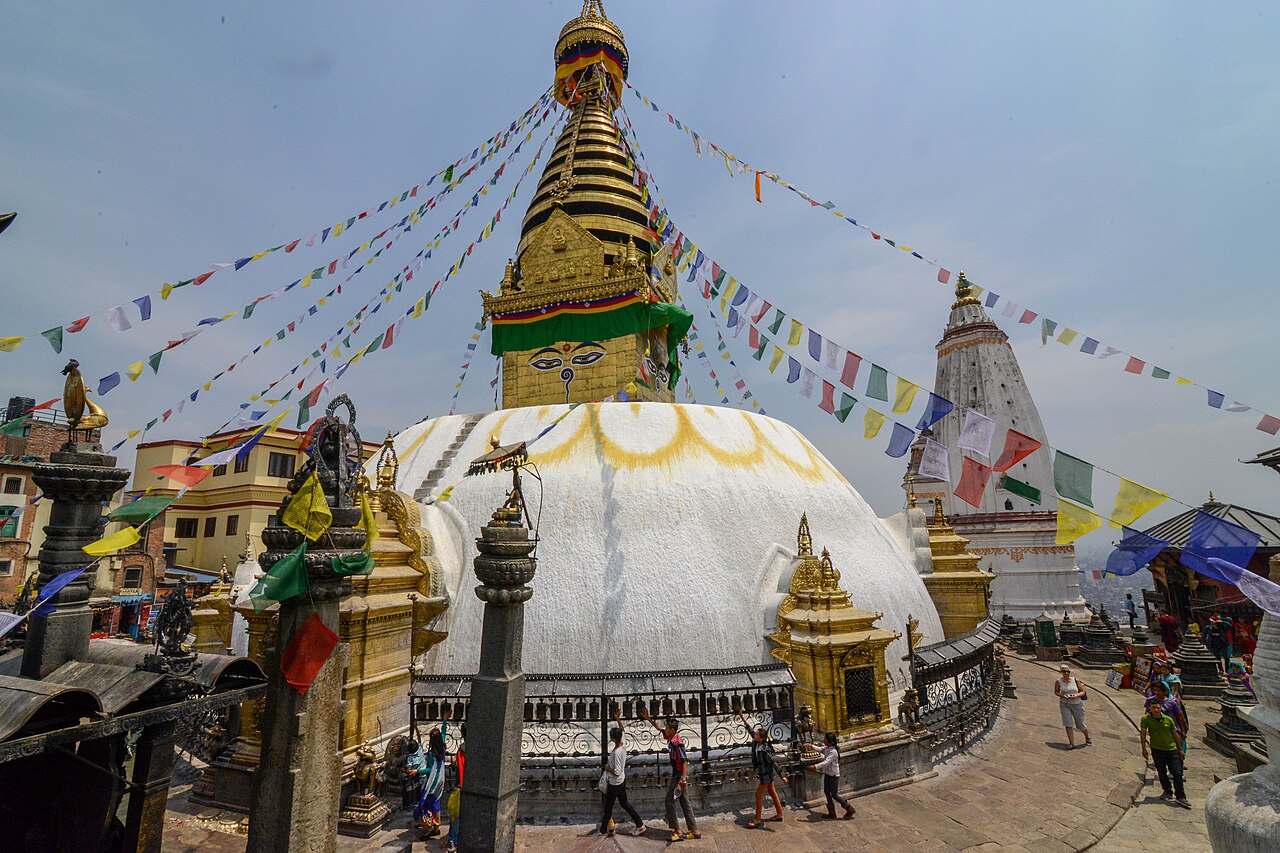
Devotion in Three Keys
At a monastery’s grand reopening in Kathmandu, Justin Kelley watches three very different expressions of Buddhist devotion sit side by side — and finds, in his teacher Mingyur Rinpoche, a living example of what it looks like when they meet.

Equanimity Is Not Detachment
Nichiren Buddhist teacher Mark Herrick argues that equanimity isn’t stoic composure — it’s homeostasis, the same balancing function that lets a single cell survive change.
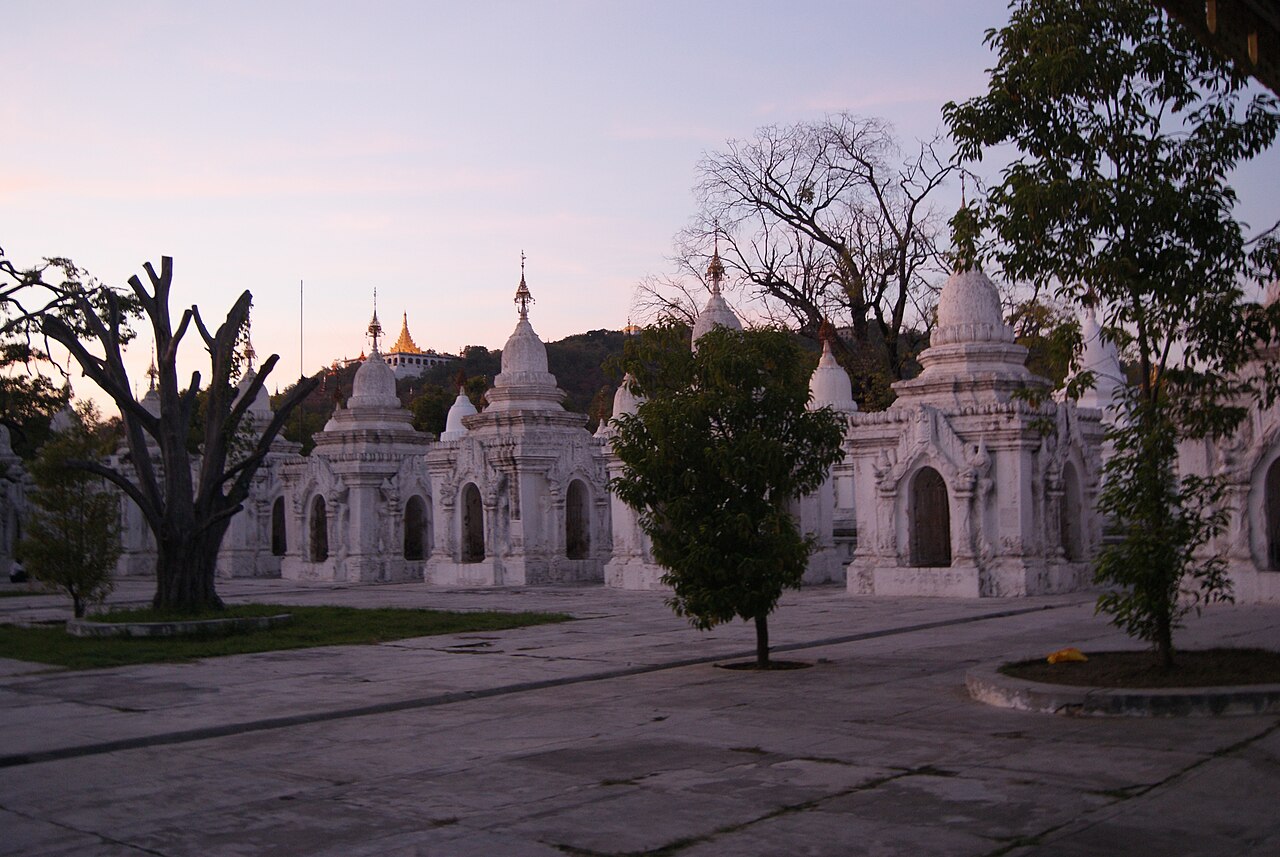
U Po’s Five Hundred Years
In 19th-century Mandalay, a physician’s reading of a single Vinaya passage put him at odds with centuries of commentary — and cost him his life.
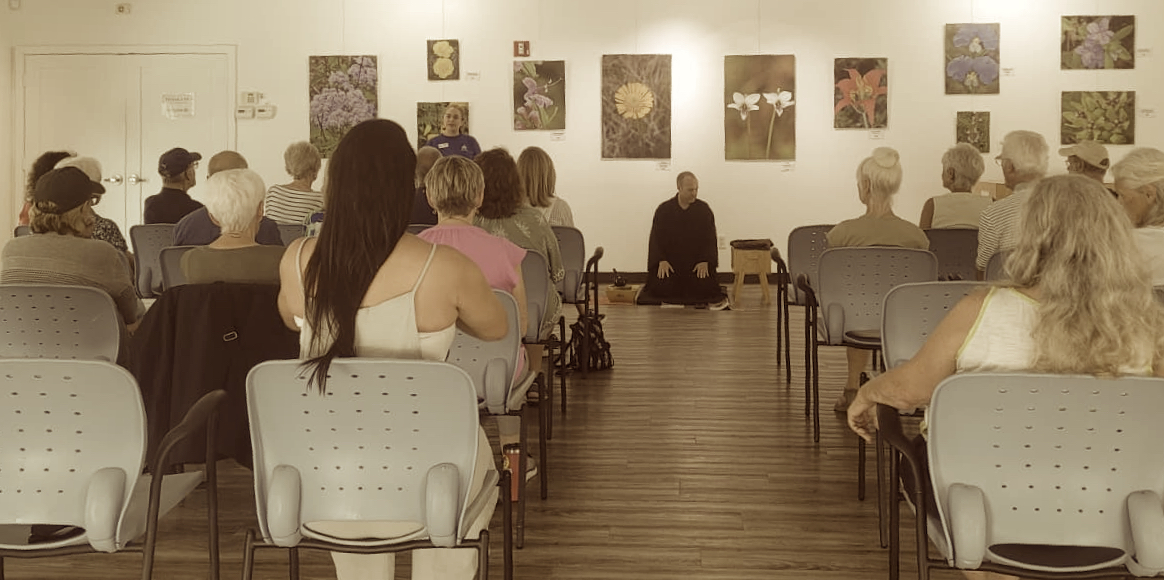
How I Turned My Buddhist Practice Into Service
A Marine veteran on how a felony arrest, a Zen teacher, and a correspondence with a man on death row led him to bring meditation to veterans, teenagers, and the incarcerated.
Moving Through the Three “Karma Doors”
Vanessa Zuisei Goddard on how understanding our gateways to the world — body, speech, and mind — is key in our practice of sila, or virtue.
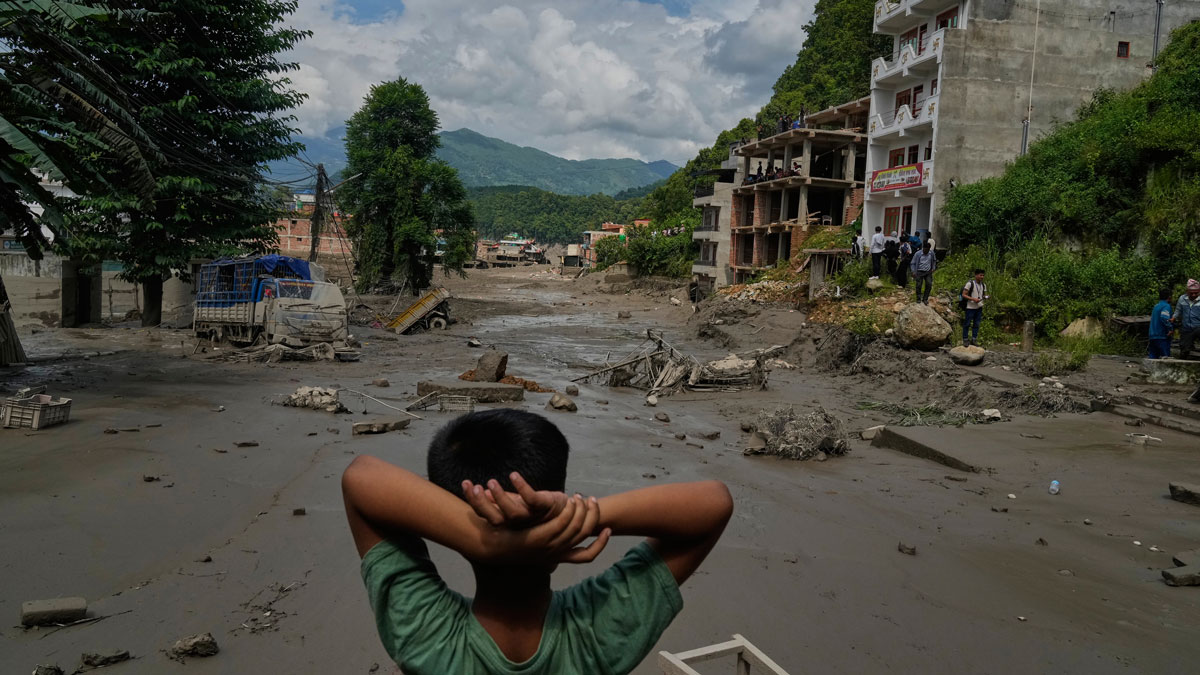
A Prayer for Nepal & Tibet — and How to Help
James Gritz reflects on the devastating flash floods in Nepal and Tibet and shares resources for those looking to support relief efforts.
Buddhism A–Z
Learn all about key Buddhist terms, concepts, and traditions in our in-depth glossary — perfect for beginners and committed dharma practitioners alike.