
The Heart Sutra Will Change You Forever
Penetrate the true meaning of the Heart Sutra, says Karl Brunnhölzl, and nothing will be the same again. The secret is making it personal.


Deep Dive
What Is Wisdom?
Wherever we are in life, we too often think of wisdom as something that will, or might, come well down the road, after reading countless books and meditating countless hours. The Buddha taught it differently: as prajna, a clear seeing that we can cultivate in any moment through how we act and how we train the mind.
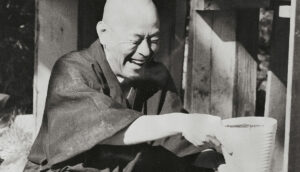
The articles and videos in this month’s Buddhadharma Deep Dive follow that approach. Norman Fischer, Bradley Donaldson, and Jan Willis show how ethics and meditation lay the ground for wisdom. Jill Shepherd, Thanissaro Bhikkhu, Yongey Mingyur Rinpoche, and Trudy Goodman explore what wisdom changes, from how we use our energy to how we meet impermanence. And in the oldest surviving recording of his talks, Shunryu Suzuki Roshi points to the wisdom that has been ours all along. We hope these teachings help you see more clearly, and with confidence that wherever you are on your path, you’re just where you need to be.
Ethics, Meditation, and Wisdom
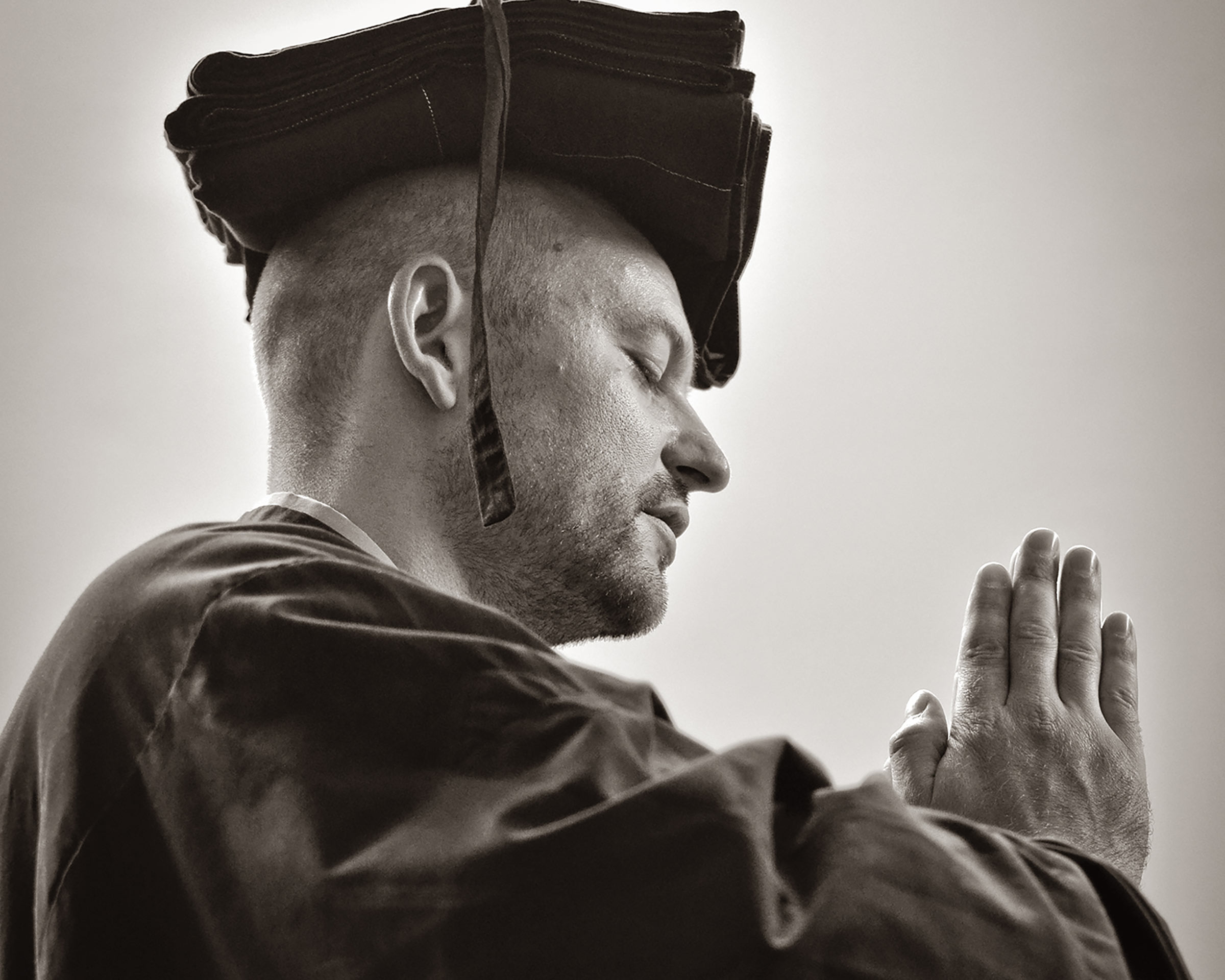
Zoketsu Norman Fischer on how sila, samadhi, and prajna work together to give us stability on the Buddhist path to liberation.

How Ethical Conduct Leads Buddhists to Wisdom
How might our minds find peace, and even liberation? It starts, said the Buddha, with what we do (or don’t do). Bradley Donaldson explains.

Wisdom Over Justice
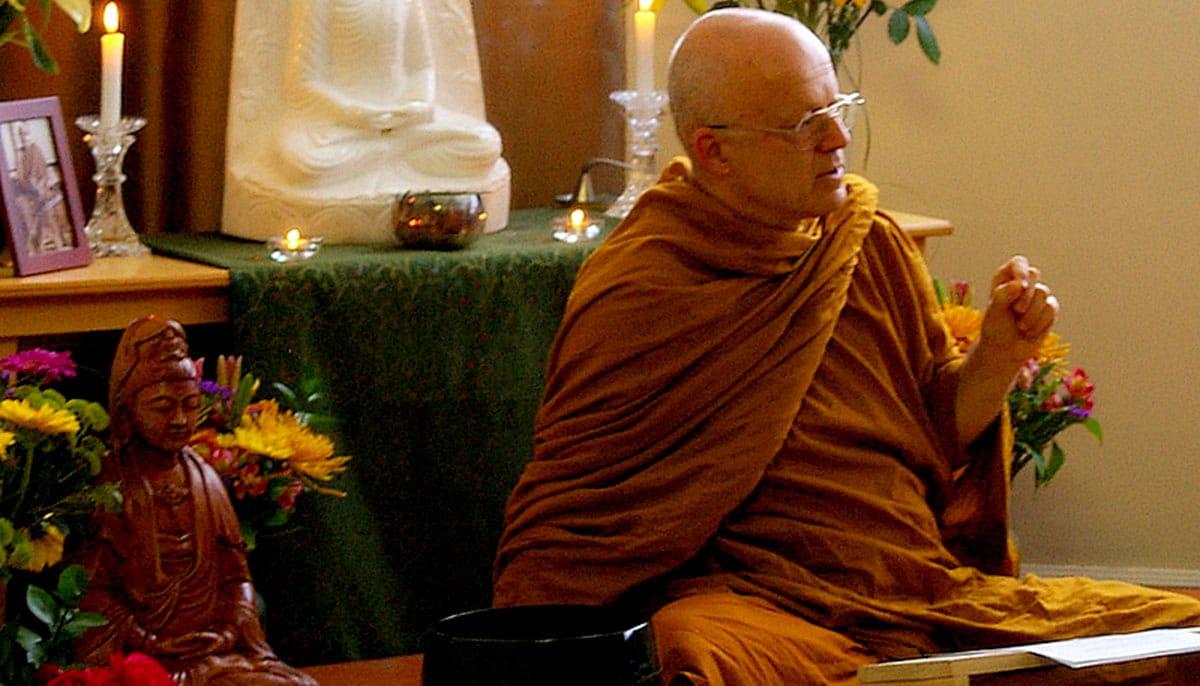
Justice is of course a noble goal. But, says Thanissaro Bhikkhu, the Buddha emphasized a different approach to the achievement of harmony in the world.

The Union of Energy and Wisdom
Jill Shepherd explores the relationship between the perfection of energy and wisdom, and how applying our energy and effort wisely leads to less harm to ourselves and others.
How Red Pine (aka Bill Porter) “Dances With the Dead”
In this video interview with John Kain, the famed translator reflects on the mountain hermits and packed Zen retreats his work has inspired in China, the long search that finally cracked the Diamond Sutra for him, and more.
Waking Up to Patriarchy
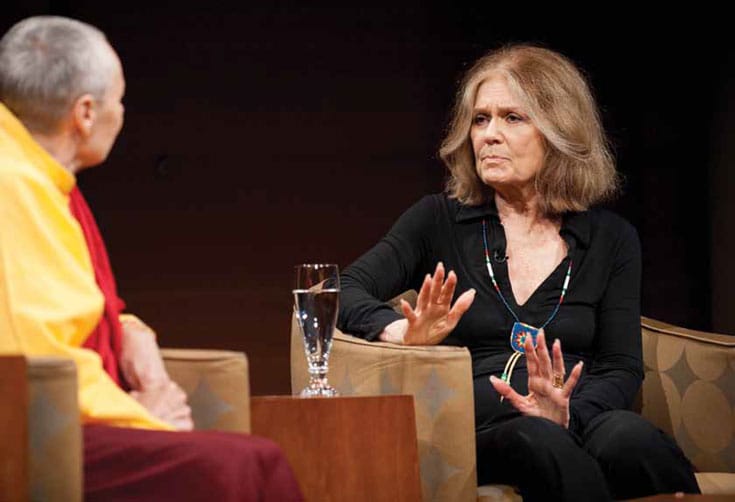
In this 2015 conversation, the late Gloria Steinem joins Jetsunma Tenzin Palmo to talk about personal challenges they’d each faced, progress they’d seen, and why there’s more to be done.

Is Your Life Too Busy for Loving-kindness?
One small word in the Metta Sutta raises a question that modern practitioners may prefer not to ask: What if meditation cannot compensate for the lives we have

Who Wrote This? On Buddhism & Agency in the Age of AI
When AI writes your emails, edits your prose, and so on, where does “you” end? Hajeong Park finds that Buddhism has been sitting with this question for centuries — and that its answer, rooted in non-self and dependent origination, gives us a useful framework for navigating the age of AI.
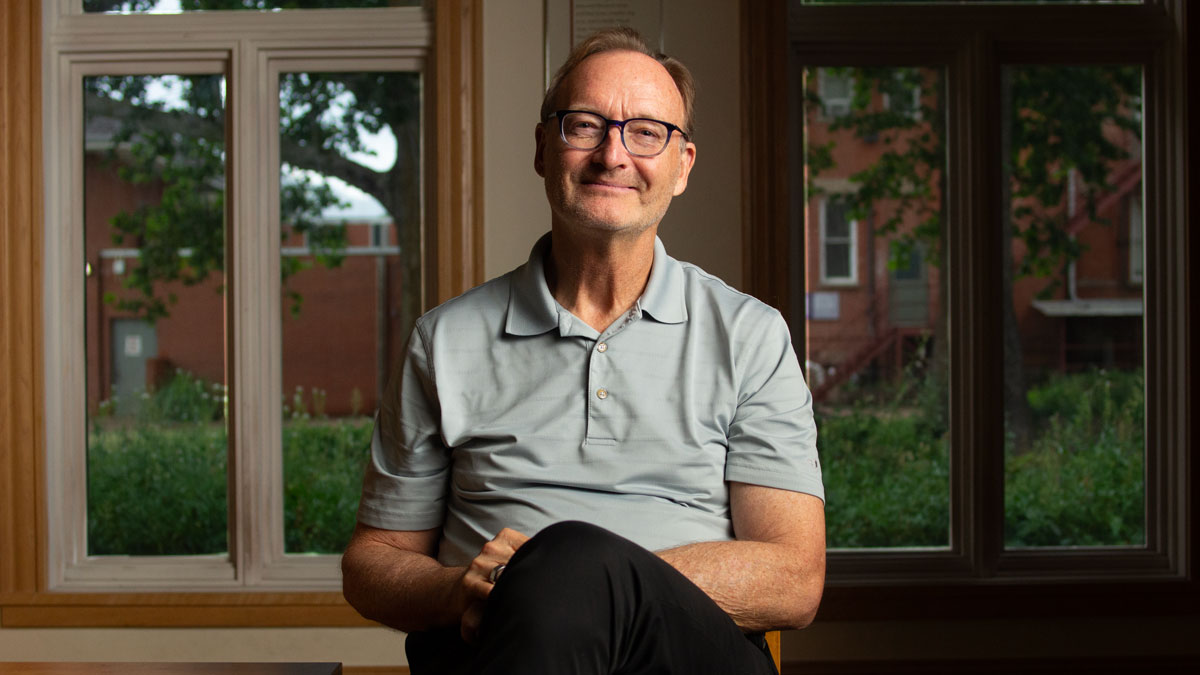
Meet the Teacher: Andrew Holecek
Andrew Holecek, whose work involves studies on dream yoga, the practice of dark retreat, and coming to terms with death, impermanence, and loss, speaks to Lion’s Roar’s Rod Meade Sperry about what makes him tick, and what he teaches in “Waking Up to Death,” his new online course coming soon from Lion’s Roar.

Dharma Books: Excerpts
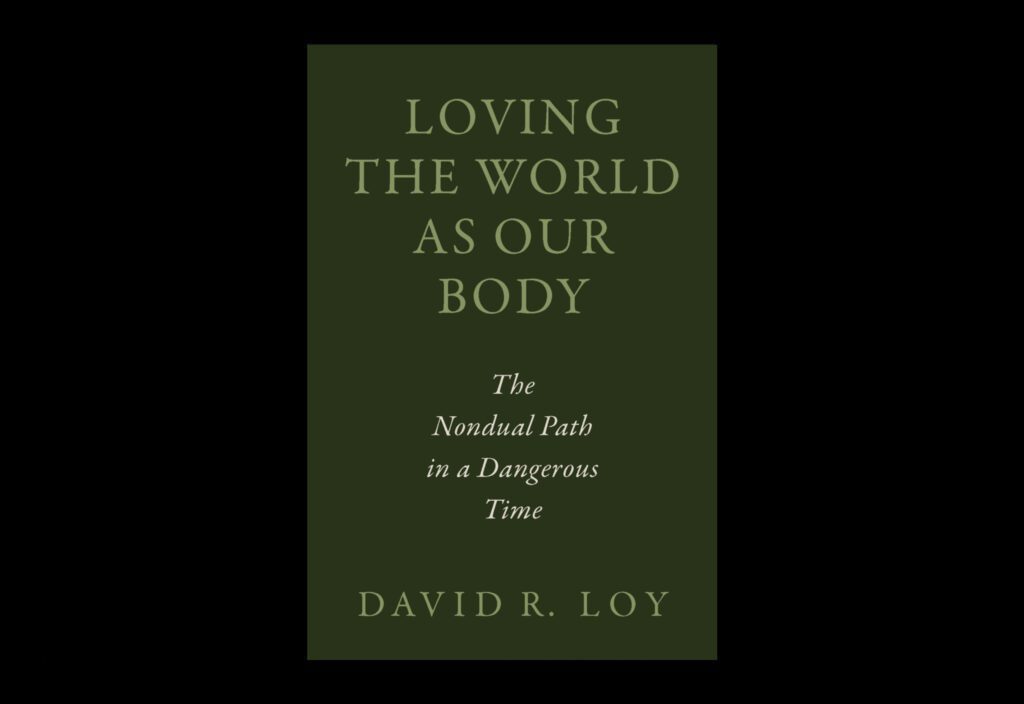
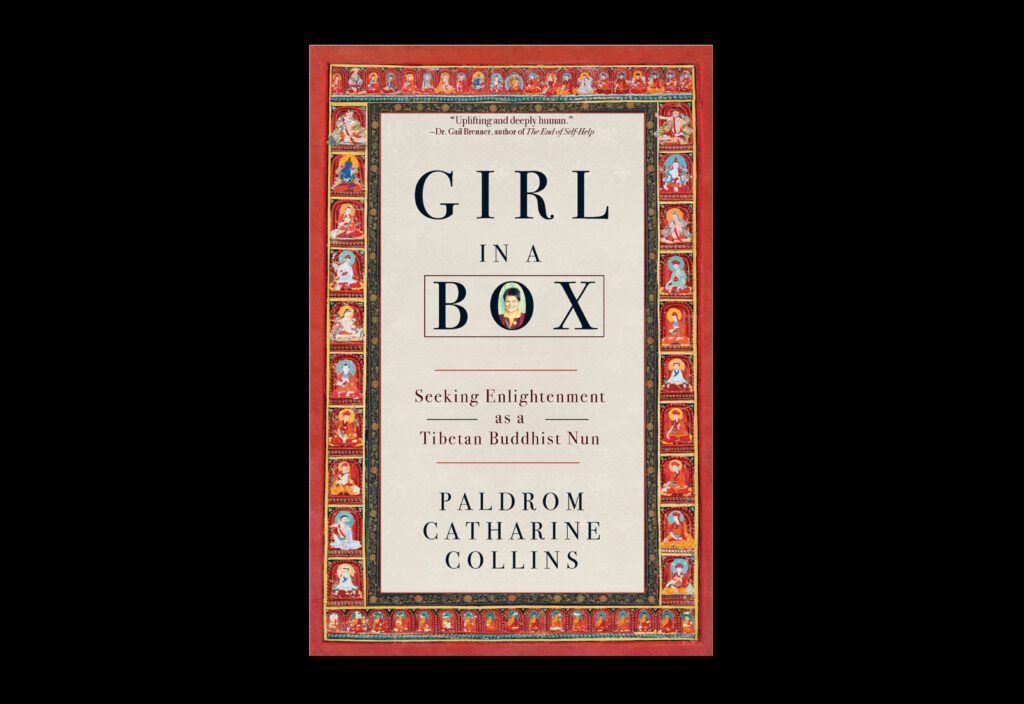

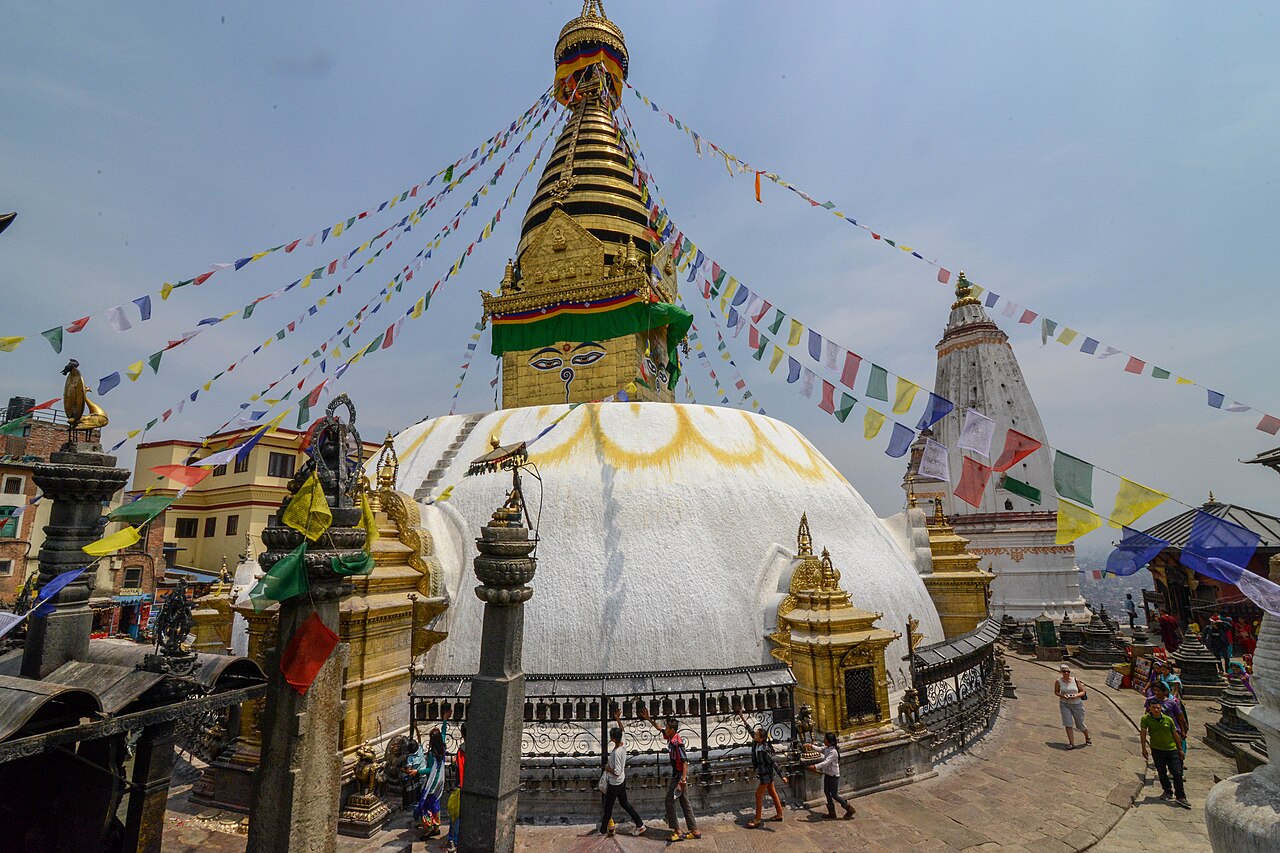
Devotion in Three Keys
At a monastery’s grand reopening in Kathmandu, Justin Kelley watches three very different expressions of Buddhist devotion sit side by side — and finds, in his teacher Mingyur Rinpoche, a living example of what it looks like when they meet.

Equanimity Is Not Detachment
Nichiren Buddhist teacher Mark Herrick argues that equanimity isn’t stoic composure — it’s homeostasis, the same balancing function that lets a single cell survive change.
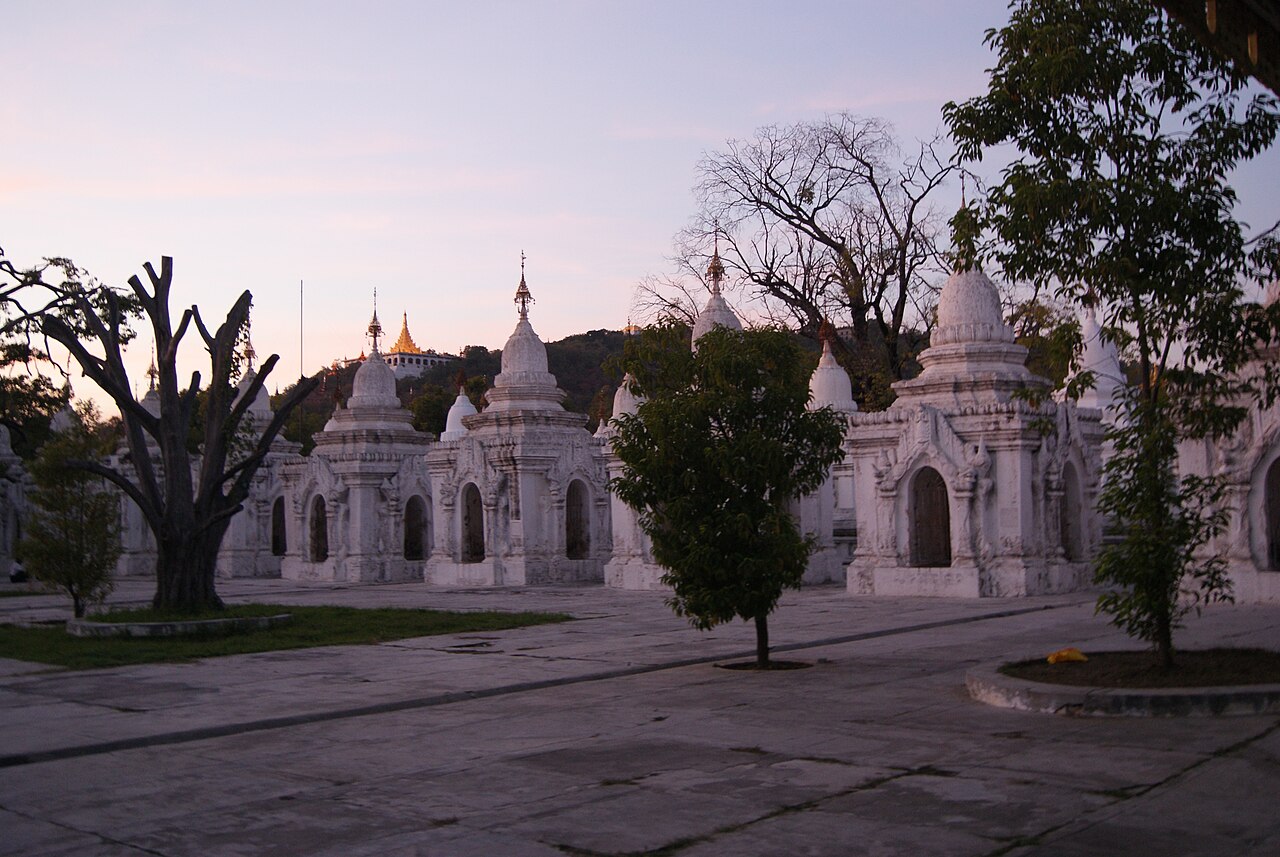
U Po’s Five Hundred Years
In 19th-century Mandalay, a physician’s reading of a single Vinaya passage put him at odds with centuries of commentary — and cost him his life.

How I Turned My Buddhist Practice Into Service
A Marine veteran on how a felony arrest, a Zen teacher, and a correspondence with a man on death row led him to bring meditation to veterans, teenagers, and the incarcerated.

Moving Through the Three “Karma Doors”
Vanessa Zuisei Goddard on how understanding our gateways to the world — body, speech, and mind — is key in our practice of sila, or virtue.
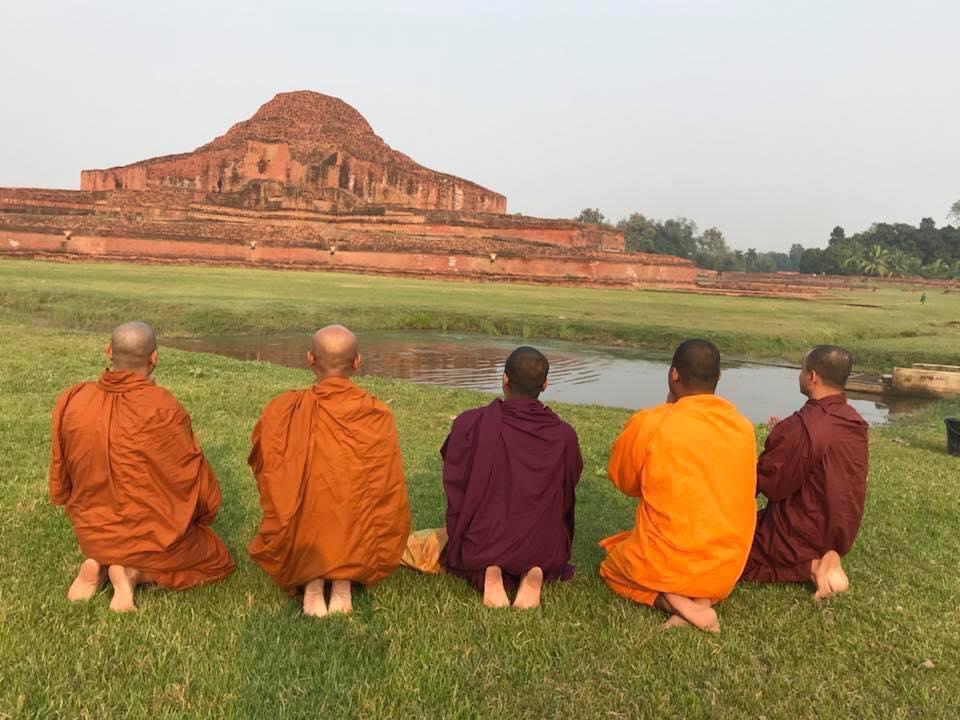
The Buddhism the World Forgot
In Bangladesh, ancient monasteries, local legends, Theravada communities, and centuries-old devotional practices tell a remarkable story of survival and renewal.
Buddhism A–Z
Learn all about key Buddhist terms, concepts, and traditions in our in-depth glossary — perfect for beginners and committed dharma practitioners alike.