

Category: Philosophy
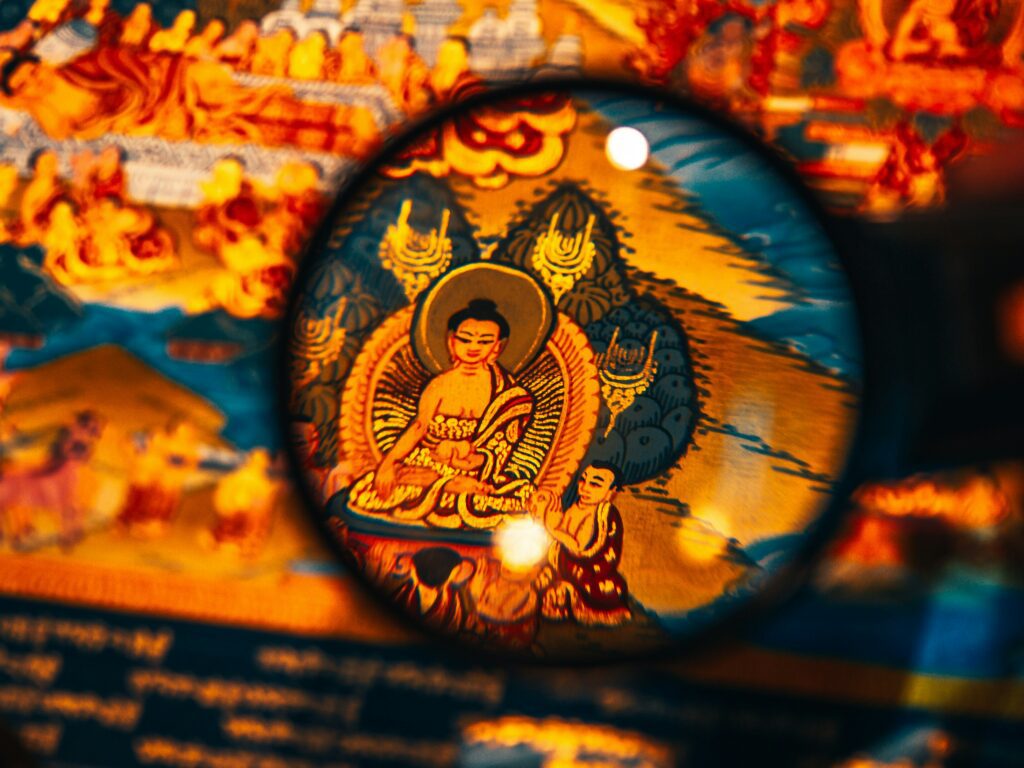
How Buddhist Abhidharma Practice Mitigates Aversion, Craving, and Suffering
Yongey Mingyur Rinpoche shares Abhidharma practices that can guide you toward inner freedom, compassion, and wisdom in his new manual, Stainless Prajna: Stages of Meditation on the Treasury of Abhidharma. Also included is a short breathing/meditation practice.
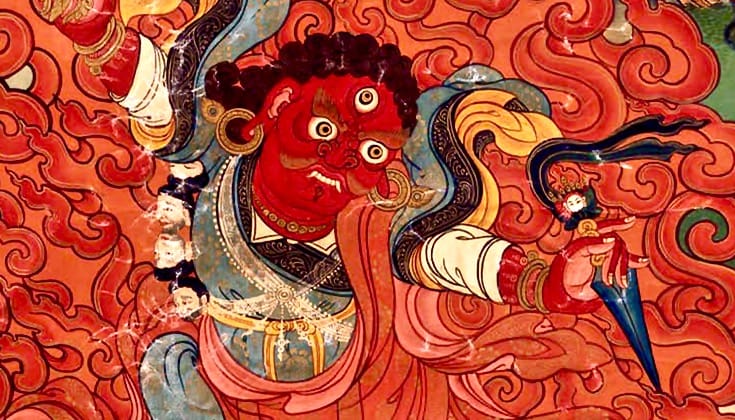
Forum: The Myths, Challenges, and Rewards of Tantra
A forum on Tantra with Dzogchen Ponlop Rinpoche, Anne Carolyn Klein, and Larry Mermelstein, with an introduction by Reggie Ray.

Impermanence is Buddha Nature
Change isn’t just a fact of life we have to accept and work with, says Norman Fischer.

How Equanimity Powers Love
True equanimity, says Kaira Jewel Lingo, is not in any way detached or uncaring—it's inclusive, and loving, and the foundation for spiritual courage.

Moving Beyond Subjectivity to Awakening
According to Shin Buddhist priest Rev. José M. Tirado, we must transcend our regular subjective-objective perspective in order to awaken and see things as they truly are.

Hope for the Hopeless
Rev. Blayne Higa on the founder of Shin Buddhism’s “spiritual insight of imperfection and radical acceptance.” It can lead us to the ultimate realization of buddhanature.
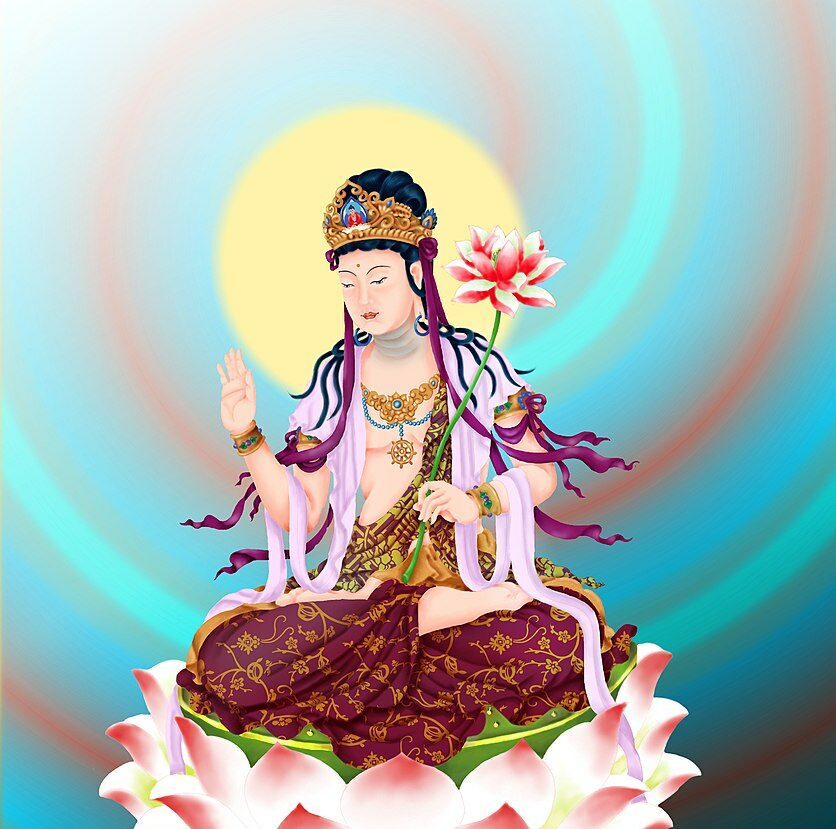
Bodhisattva, What Color is Your Neck?
When it comes to right speech, can Buddhist practitioner Ching Pan follow the example of Green-Necked Avalokitesvara? Could you?
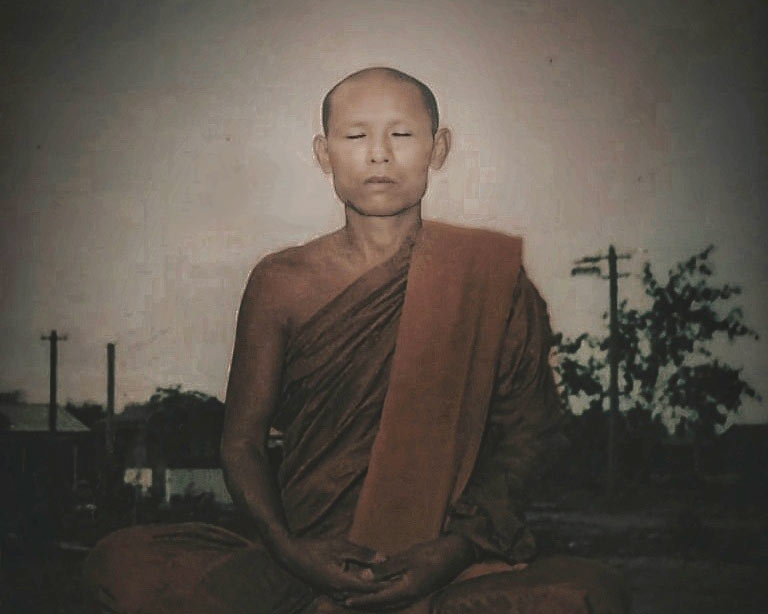
How Right Action and Right Livelihood Work Together
Forest Tradition teacher Ajaan Lee Dhammadharo (1907–1961) defines right action—how it manifests, within and without us, and informs our aspiration to engage in right livelihood. Introduced and translated by Thanissaro Bhikkhu.
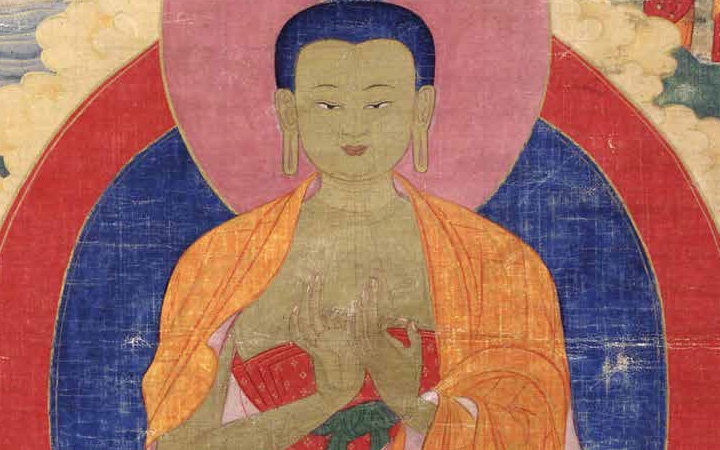
Why We Take Refuge
There are two kinds of refuge. The reason we take refuge in the outer forms of enlightenment is so that we may find the buddha within.
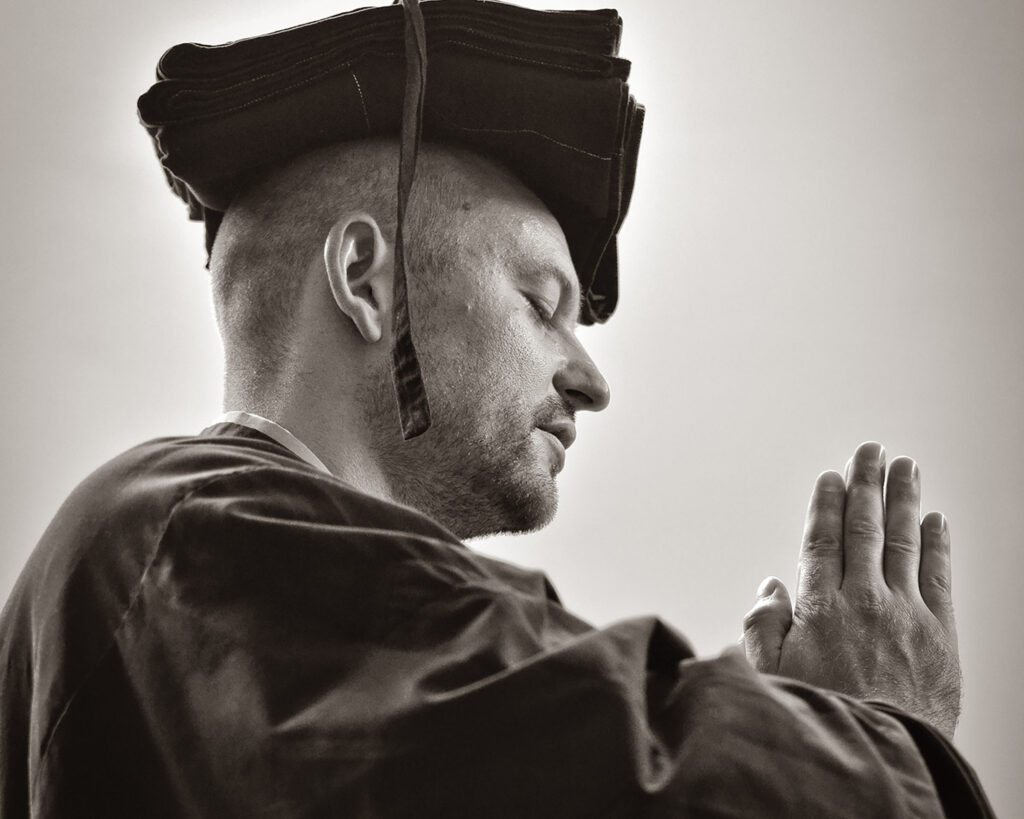
Ethics, Meditation, and Wisdom
Norman Fischer on how <em>sila</em>, <em>samadhi</em>, and <em>prajna</em> work together to give us stability on the Buddhist path to liberation.

Dukkha as a Doorway to Liberation
Scott Tusa on how Buddhist ethics transcend mere morality and help us to realize awakening.

What Is Harmful? What Is Helpful?
Chan teacher Guo Gu on how, through practice, we awaken to the best in others and ourselves.
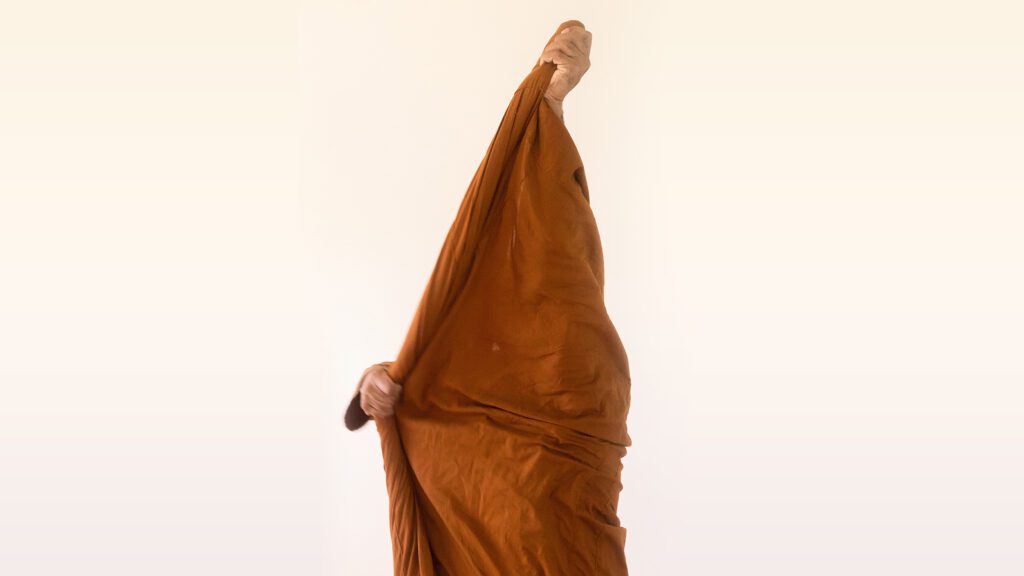
Understanding the Vinaya
Amy Paris Langenberg on the history, evolution, and modern manifestations of the training rules followed by Buddhist monastics.

How the Three Tenets Help Us Live Wisely
Roshi Joan Halifax reflects on the guiding principles of the Zen Peacemaker Order, and why we all might benefit from putting them to the test.

Opening to the Joy of Work
Making a living while living our values can be easier said than done, but Maia Duerr has discerned six keys for cultivating the qualities and conditions for doing abundant, cheerful, sustainable work.

Discernment Guided by Compassion
Ryuei Michael McCormick on right speech: When should we use forceful words, or gentle ones? Or none at all?

All-Encompassing Compassion
Heidi Nevin remembers her teacher Chatral Rinpoche’s inspiring commitment to vegetarianism as part of the dharma path.

Is Our Practice Enough?
Clair Brown on how Buddhists’ vow to end suffering must go beyond the individual to a global understanding of how our suffering—and happiness—is connected to all living beings on our planet.

Moving Through the Three “Karma Doors”
Vanessa Zuisei Goddard on how understanding our gateways to the world — body, speech, and mind — is key in our practice of sila, or virtue.

Luminosity: The Heart of The Six Dharmas of Naropa
Across the major Buddhist traditions, the mind’s basic condition is described as luminous, naturally free from afflictions or karmic imprints, which are merely adventitious, like clouds covering the sky. The Buddha refers to this naturally luminous mind in the Nikayas, the Perfection of Wisdom sutras, and the tantras. Dzogchen and Mahamudra teachings also emphasize natural…