

Category: Teachings
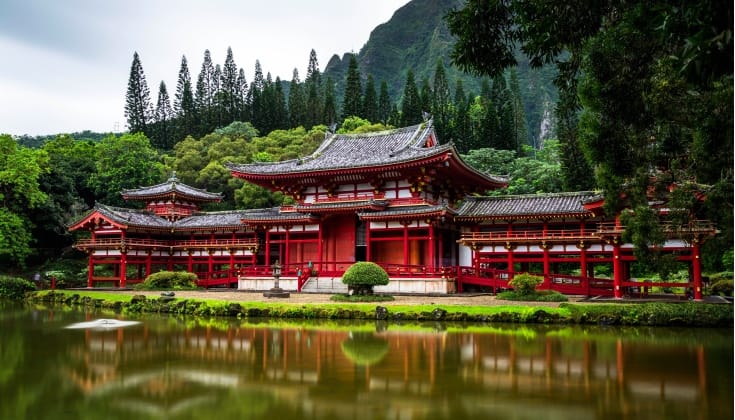
About a Poem: Pico Iyer on a haiku by Kobayashi Issa
The world’s beauty lies in its fleeting nature, notes Pico Iyer. We rejoice in things precisely because we know they will not last.
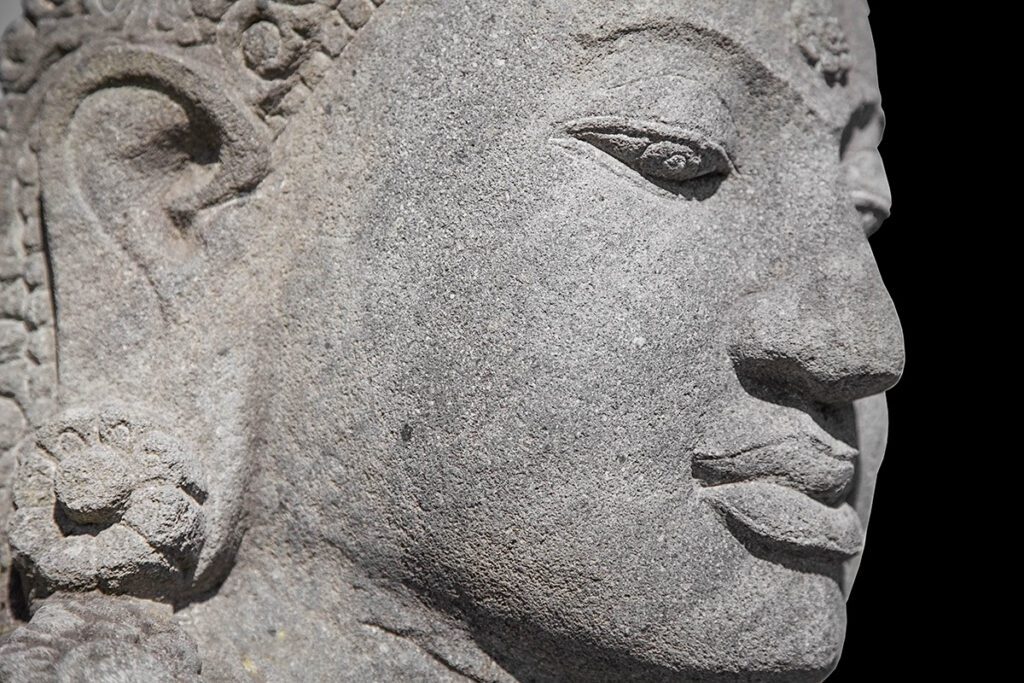
Why Do Buddhas Look So Different?
Ikumi Kaminishi looks at regional differences in sculptures of the Buddha.

How to Cultivate True, Lasting Happiness
Ven. Guan Cheng on how to make every day a good day.
Transforming Self-Comparison Through No-Self
Eda Ocak reflects on how meditation practice and the Buddha’s message of no-self transformed her habit of self-comparison.

How to Practice Mindful Eating
Jan Chozen Bays teaches us how to make every meal a celebration of gratitude, enjoyment, and true nourishment.

Recognizing Clarity: A Dzogchen Meditation
Dzogchen master Tsoknyi Rinpoche shares a meditation to encourage clarity of mind.
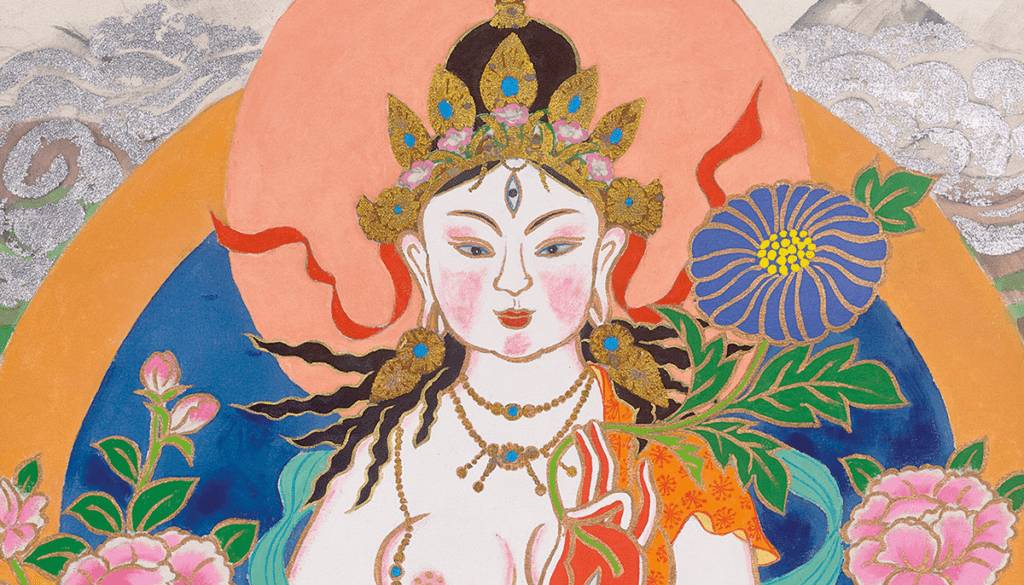
Be Confident in Your Buddhanature
The key to unshakable self-confidence, says Lama Döndrup Drolma, is recognizing the deepest truth of who you are.
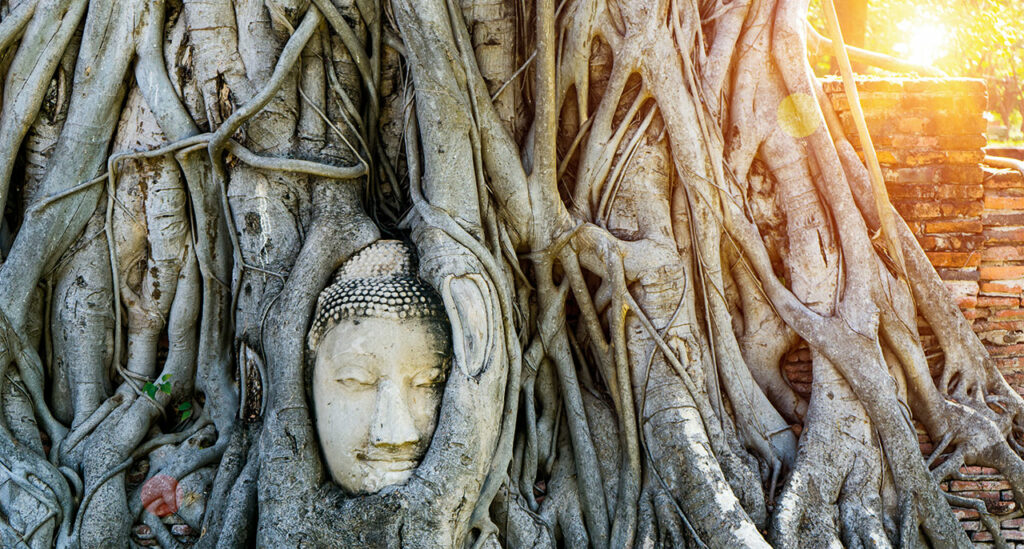
When the Buddha Was a Tree
Trees can show us how to be bodhisattvas. Rafe Jnan Martin draws important lessons from an old tale.
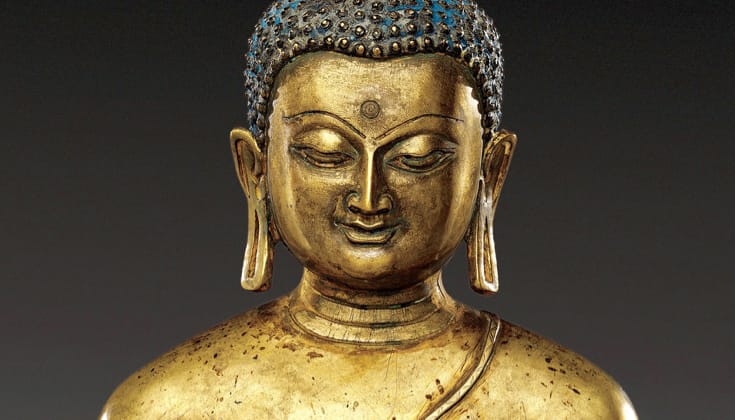
Who Was the Buddha?
The Buddha who lived 2,600 years ago was not a god. He was an ordinary person, named Siddhartha Gautama, whose teachings on enlightenment and the end of suffering became the basis of the world religion of Buddhism.
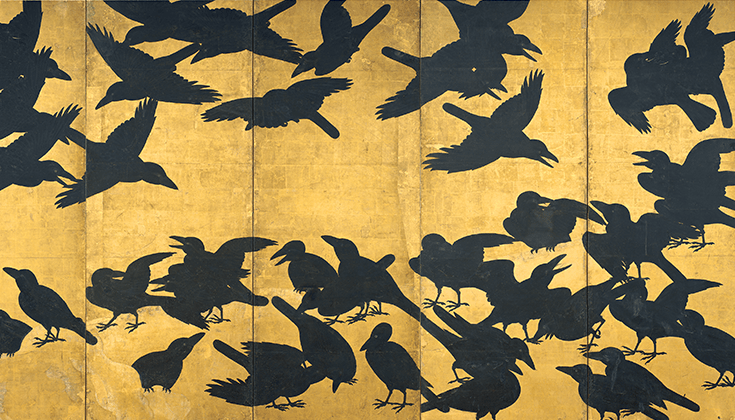
Buddha’s Birds
From the swan that Siddhartha nursed as a boy to the fantastical Garuda—Andrea Miller explores the intriguing role that birds play in Buddhist mythology.
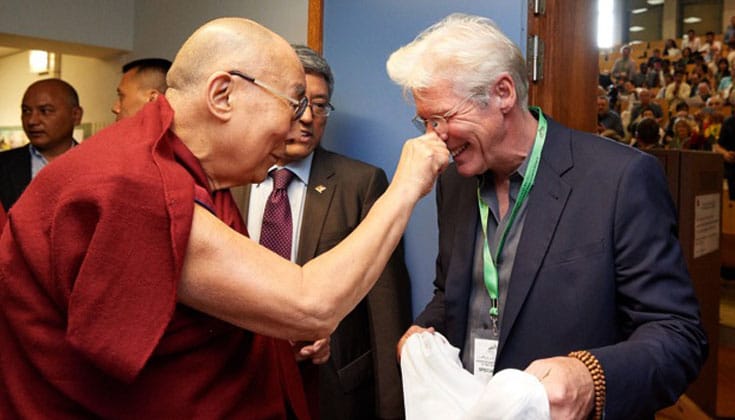
The Inspiration of the Dalai Lama
Richard Gere reflects on how His Holiness the Dalai Lama has impacted him.
How to Break Free From Comparison and Judgment
The superiority complex, the inferiority complex, and the equality complex are painful traps we fall into if we believe we have a separate self. Sister Boi Nghiem on transforming complexes into confidence and compassion.
What Does It Mean to Be Enlightened?
Contrary to popular thought, awakening isn’t a distant goal. In fact, says Lisa Ernst, awakening is always available.
Your Enlightened Nature
The essence of mind is empty, luminous awareness. Mingyur Rinpoche on the Tibetan Buddhist practice of Dzogchen.

Discover the Joy of Doing Nothing
Zen teacher Pat Enkyo O’Hara teaches us the practice of Shikantaza.

The Clarity Aspect
Emptiness without wisdom can lead to nihilism, explains Dzongsar Khyentse Rinpoche. That's why we have the teachings on buddhanature.

Discover the Freshness of Each Moment
The fruit of Chan practice is discovering the freshness of each moment. Guo Gu on silent illumination, gong’an, and engaging with the world.
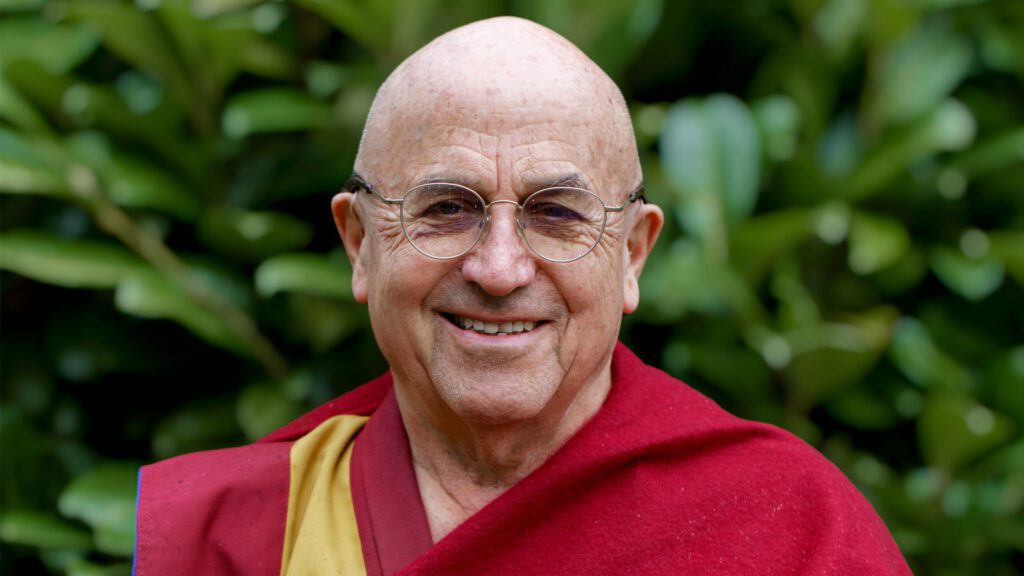
Matthieu Ricard: The Path to a Compassionate Society
In this video interview, Buddhist monk Matthieu Ricard joins Lion’s Roar editor-in-chief Melvin McLeod to discuss compassion as a transformative force for addressing the challenges of our time. Drawing on his decades of humanitarian work with Karuna-Shechen, he shares how altruism can help build a more compassionate and hopeful society.
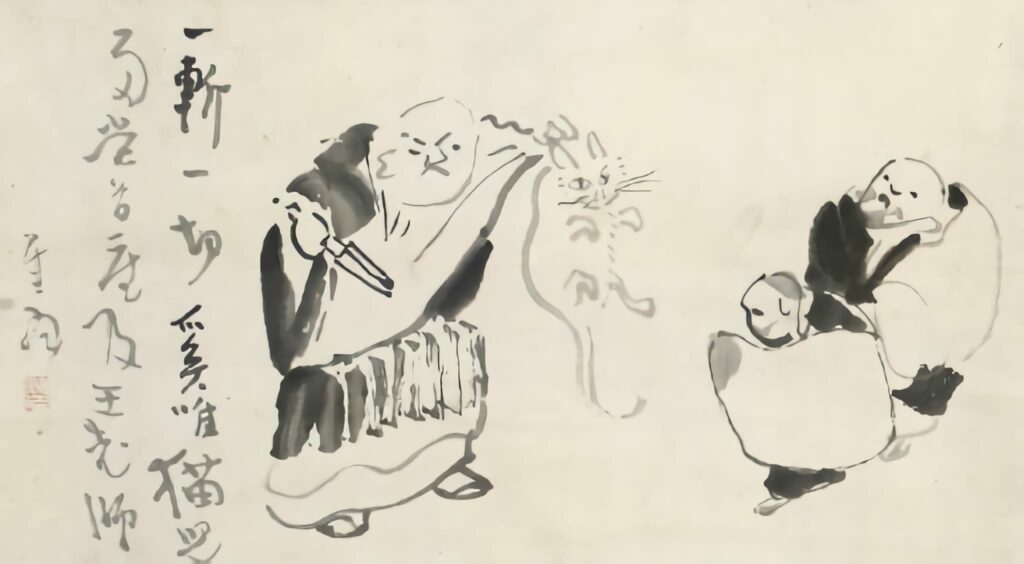
Quick! Who Can Save This Cat?
Zoketsu Norman Fischer's commentary on Mumonkan Case 14: Nanchuan's Cat.

The Lamp of Zazen
The point of zazen, says Shunryu Suzuki Roshi, is to live each moment in complete combustion, like a clean-burning kerosene lamp.