

Archives: BD Articles

Affinity Sanghas and the Practice of Refuge
Arisika Razak explores the history, meaning, and ultimate refuge of affinity-group sanghas.

Translation, Transmission, and the Act of Surrender
Cinthia Font and Lama Karma Yeshe Chodron, share not only the place the translator holds in the transmission of the dharma, but also how it feels to sit in that seat and hold that responsibility.
The Four Points of Letting Go in the Bardo
It’s when we lose the illusion of control—a "bardo" state where we are most vulnerable and exposed—that we can discover the creative potential of our lives.

The Hope We Need Now
Roshi Joan Halifax reflects on the idea of “wise hope” and why we should open ourselves to it.
Rompiendo el silencio sobre la conducta sexual inapropiada
Willa Blythe Baker ofrece su dolorosa experiencia personal sobre la conducta sexual inapropiada por parte de un gurú. También brinda una recomendaciones para comunidades e individuos sobrevivientes de este tipo de abuso.
El Buda te habría creído
En demasiadas comunidades budistas, no se les ha creído a las mujeres cuando revelan el daño causado por hombres. Bhikkhu Sujato mira al Vinaya y encuentra otro enfoque.
Packed and Ready for Whatever’s Next
Tenzin Wangyal Rinpoche offers a fresh teaching on "phowa" practice and how navigating the various transitions in our lives, including the very small ones, lays a foundation for navigating the much bigger ones when they come.
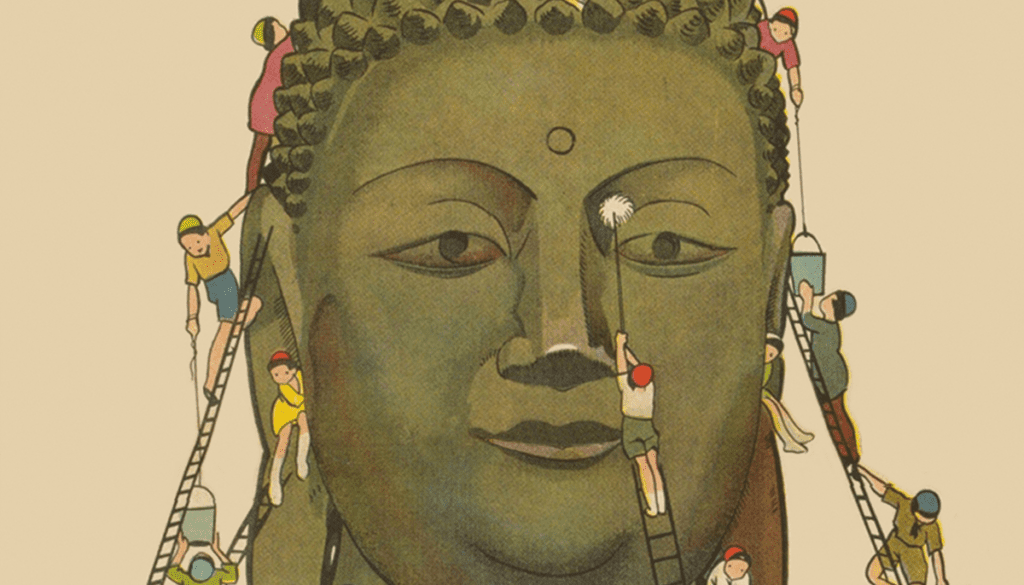
Progress & Pitfalls: An Historic 20 Years
For Buddhadharma’s 20th-anniversary issue, Barbara O’Brien takes a look back at the last two decades of losses, challenges, and opportunities in Western Buddhism.

We Give What We Hope to Receive
According to Dawa Tarchin Phillips, the work in the Buddhist BIPOC community is about recognizing the need for dignity, safety, and access—and then offering those same things.
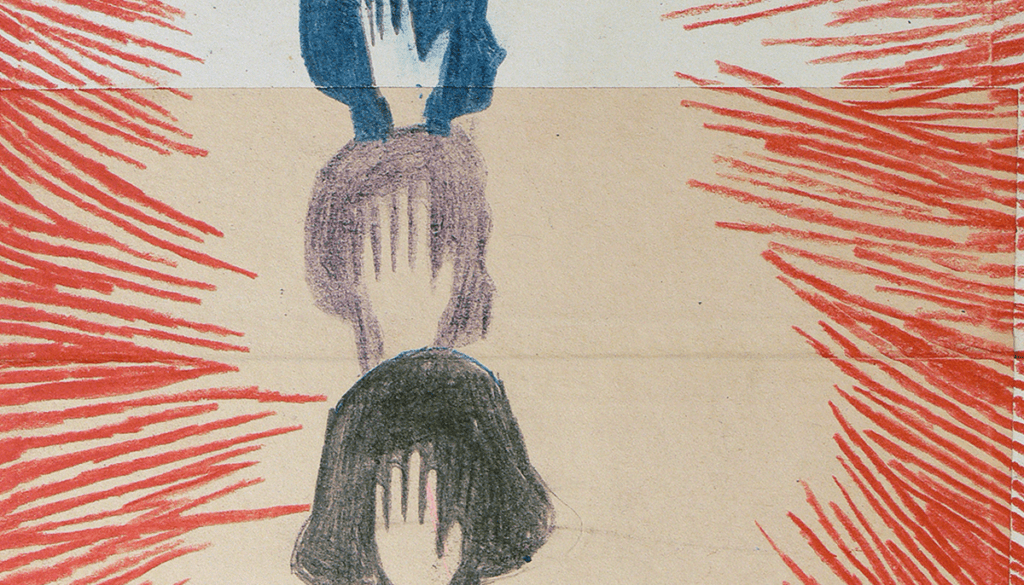
I Will Follow in the Direction of Hope
Larry Ward looks at the path of leadership, and how we get entangled along the way.

It’s About Time : 20 Years of Buddhadharma
Editor Koun Franz introduces the 20th anniversary issue of Buddhadharma: The Practitioner's Guide, which looks back at where Western Buddhism has been, and what might lie ahead.

Buddhadharma Book Briefs for Fall 2022
Joie Szu-Chiao Chen reviews Lauren Shufran’s "The Buddha and the Bard: Where Shakespeare’s Stage Meets Buddhist Scriptures," Rachael Stevens’ "Red Tara: The Female Buddha of Power and Magnetism," a new translation of Dogen’s Zuimonki, and more.
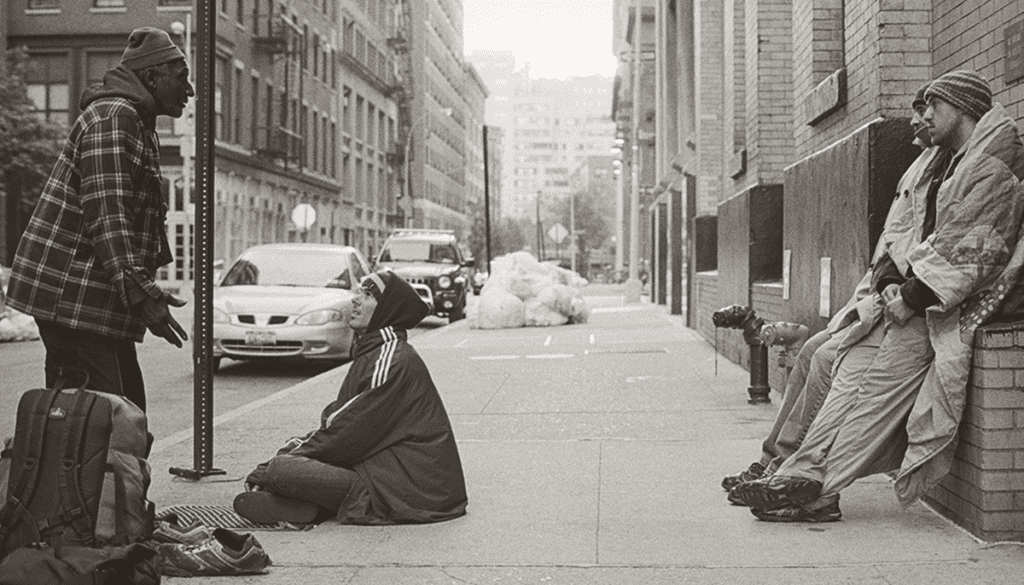
It’s Time to Redefine “We”
How, asks Brian Joshin Byrnes, do we as Buddhists come into genuine contact with the people and places we reject?

Learning Is the Path Forward
Sonam Kachru reminds us we are all on a path of learning—and that we always have a long way to go.
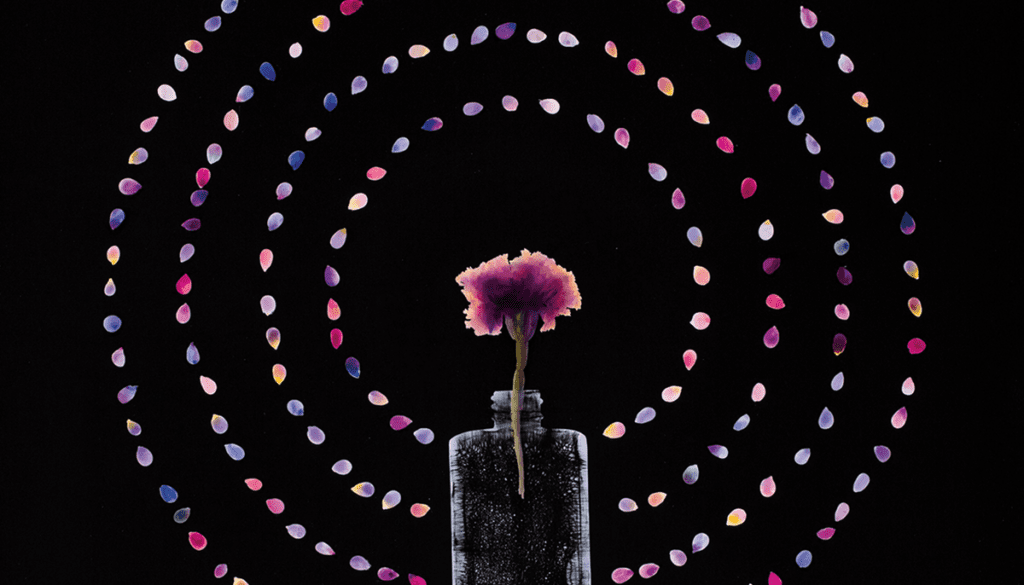
How Are We Meeting This Moment?
Stephanie Kaza invites Buddhist communities, and specifically Buddhist leaders, to take a serious look at how they are—or aren’t—responding to the climate crisis.
How do I maintain my faith in Buddhist teachings?
Willa Blythe Baker, Josh Korda, and Tenku Ruff answer a practitioner's question about losing faith in the institutions of Buddhism and the dharma itself.
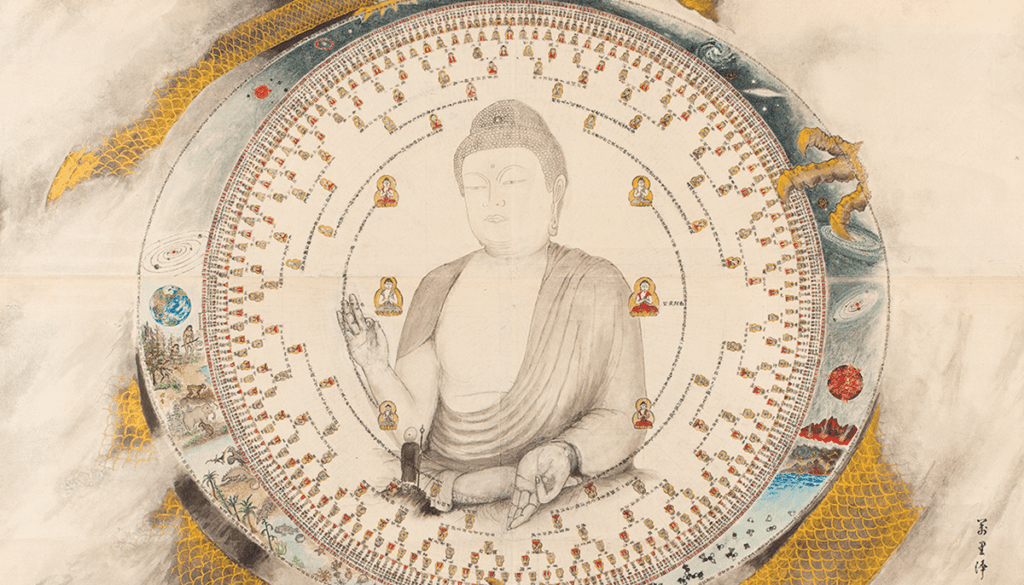
Welcoming Faith
For Myokei Caine-Barrett, how we welcome the various parts of our traditions is a reflection of how we welcome others.
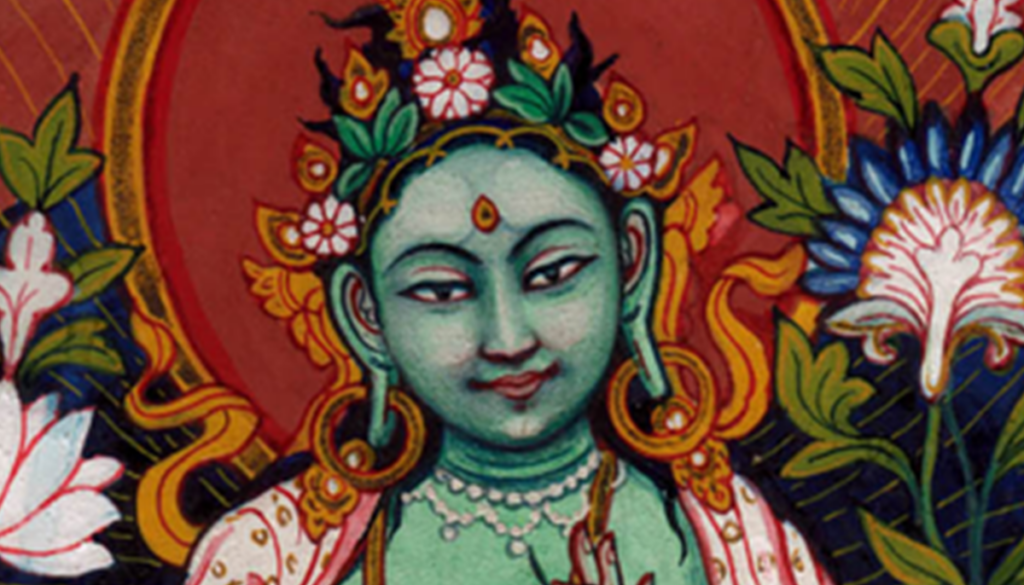
Oh Tara, Protect Us
In this teaching, Thubten Chodron comments on a prayer to the buddha Tara to protect us from the eight dangers.

How do we retain passion while accepting all of life equally?
The teachers are asked "How do we retain passion while accepting all of life with equanimity?"
How do you know if you should practice with one Buddhist teacher or another?
the teachers are asked "How do you know if you should be with one teacher or another?"