

Archives: BD Articles
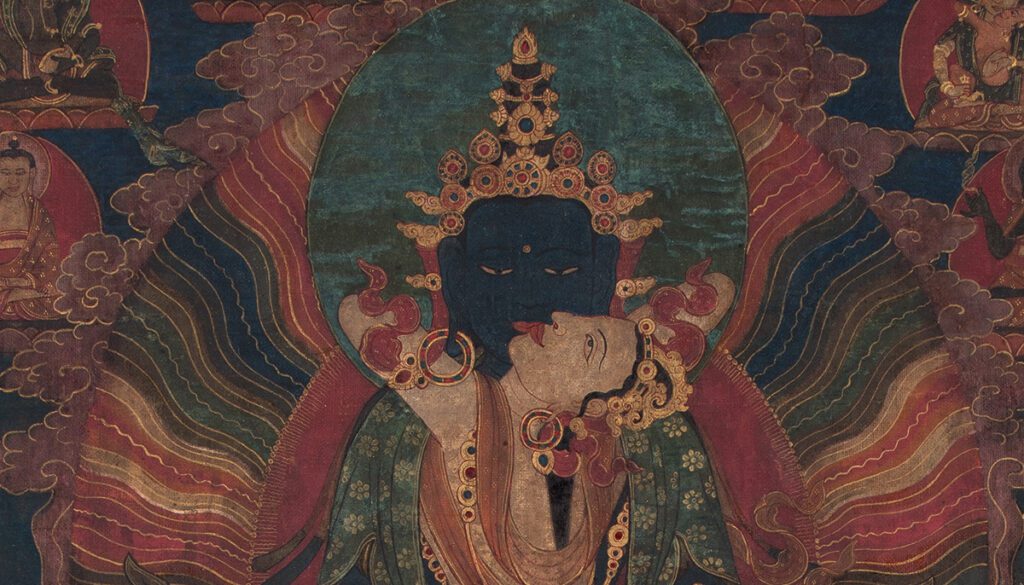
Empty, Pure, Luminous: Mind in Dzogchen and Mahamudra
Roger R. Jackson explains how different Tibetan schools approach the nature of mind, and why it matters.
Can Meditation Actually Be Dangerous?
After seeing multiple headlines about the dangers of meditation, Randy Rosenthal decided to investigate it for himself. Here’s what he found.
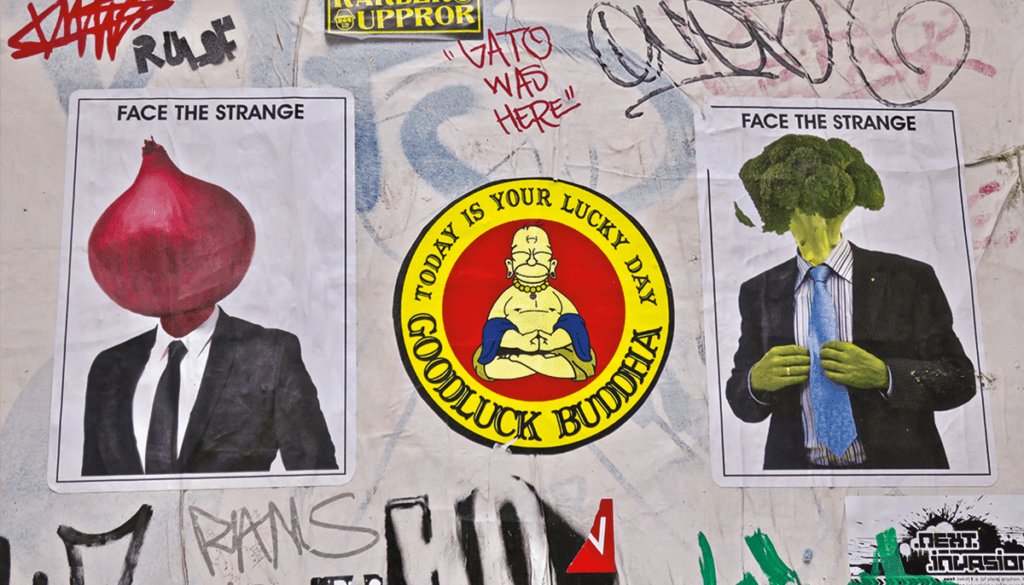
The Many Faces of Cultural Appropriation
What does cultural appropriation mean in a Buddhist context? According to Chenxing Han and Trent Walker, the answer is not as simple as we might like it to be.
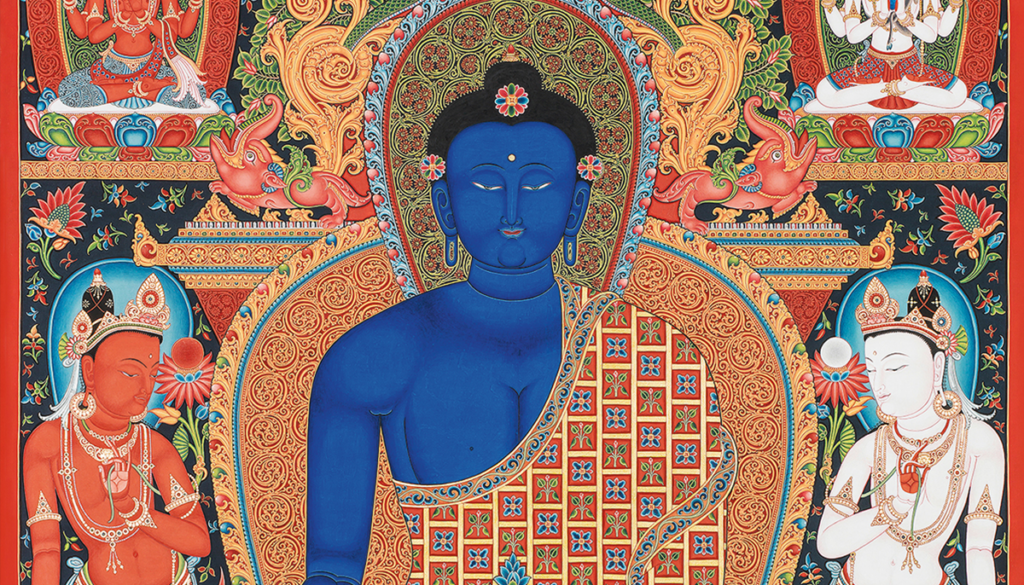
May All Be Well: The Aspirations of the Medicine Buddha
Dzogchen Ponlop Rinpoche shares the fundamentals of Buddhist medicine and the intentions behind it.

The Practice of Wonderment
When your life takes the shape of a question, says Guo Gu, then you have entered the practice of huatou.
Making Offerings to Our Ancestors
When we place offerings on the altar for teachers long past, do we understand what we are doing, or why? Zenju Earthlyn Manuel looks into the depths of that encounter between past and present.
Are my finances at odds with my Buddhist practice?
Sean Feit Oakes, Gendo Lucy Xiao, and Lama Liz Monson on balancing Buddhist practice and the financial realities of life.
When We Have No Choice
Sometimes, says Pema Khandro, there’s no way out. It’s at those times that we can discover the depth and resilience of the mind.

Is happiness really the central goal of Buddhist practice?
Anushka Fernandopulle, Ven. Thubten Chodron, and Kaira Jewel Lingo discuss the real meaning of “happiness” in Buddhism.
Meditating on the Mind Itself
A teaching on the practice of Mahamudra by the late Kagyu master Traleg Kyabgon Rinpoche.
What Meditation Can’t Cure
Meditation wasn’t designed to heal psychological wounds, explains Debra Flics. She cautions not to see it as a replacement for psychotherapy.
How Can the Dharma Help Us Work Through Grief?
Breeshia Wade, Tenku Ruff, Damchö Diana Finnegan share how the dharma can help us work through grief.
The Buddha Would Have Believed You
In too many Buddhist communities, women have not been believed when revealing harm caused by men. Bhikkhu Sujato looks to the Vinaya and finds another approach.
The Time for Black Sanghas Has Arrived
Vimalasara (Valerie) Mason-John explores the obstacles and opportunities presented by all-Black sanghas.
You Can Take Refuge Right Here
Paul Condon draws on traditional Buddhism and Western psychology to show how the act of taking refuge is available to us in every moment, wherever we are.
Reclaiming Our So-Called “Cultural Baggage”
Asian American Buddhist communities have for years been dismissed by “convert” Buddhists for carrying “cultural baggage.” Nalika Gajaweera says the response should not be to let it go but to claim it as a mark of cultural responsibility.
Spiritual Friendship Is the Path
Each one of us, says David Viafora, can be a kalyana mitra, or “spiritual friend.” Here’s how.
The Jewel We Make
How do we take refuge in sangha? Former Buddhadharma editor Koun Franz tells us, it’s all about embracing change.

The Building Blocks of Belonging
According to Willa Blythe Baker, making a strong, healthy community starts with understanding how it is constructed.
Nibbana Is Giving Up, Letting Go, and Being Free
Ajahn Chah explains some of Buddhism's most important principles, including nirvana, samadhi, and why it's important to "Be really careful!"