

Archives: BD Articles
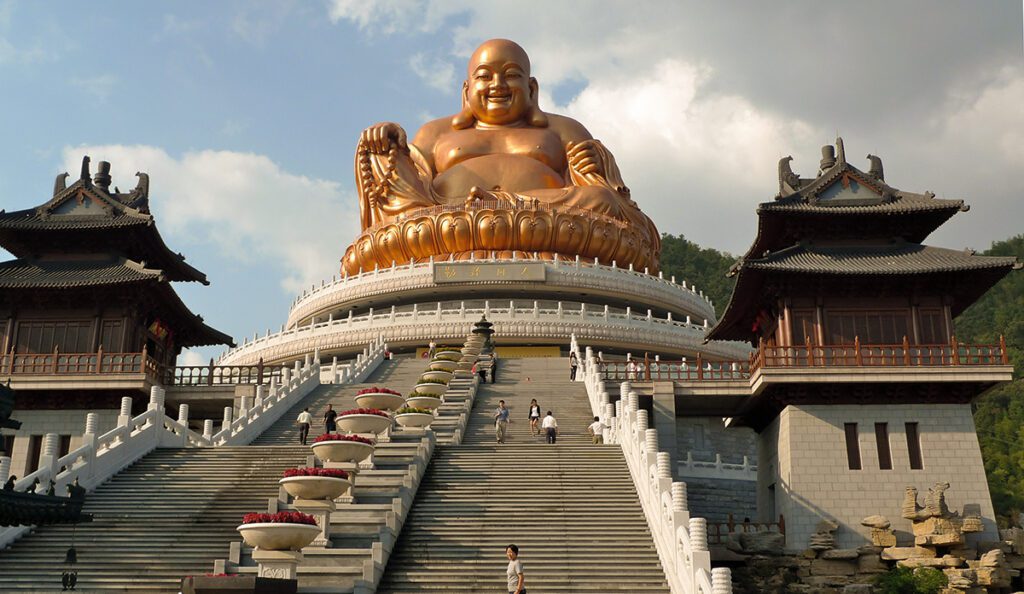
An Ambivalent Revival: Buddhism in China Today
As China is changing, so is Chinese Buddhism, morphing to meet cultural forces and adapting to find a place in the economy. Justin Ritzinger provides an inside look.

Forum: How Millennials Are Reframing the Buddhist Path
In this Buddhadharma Forum, five millenial Buddhists take a look at where Buddhism is, and where it’s headed.

All Beings Liberating, Together, At Once
Judy Roitman unpacks the Mahayana vision. "The essence of this vision," she says, "is a universe in which time and space are flexible, and in which beings are neither separate nor dissolved in each other."

In Times of Crisis, Draw Upon the Strength of Peace
When we are called upon to help in a crisis, says Kaira Jewel Lingo, we must respond. But the way we do is crucial.
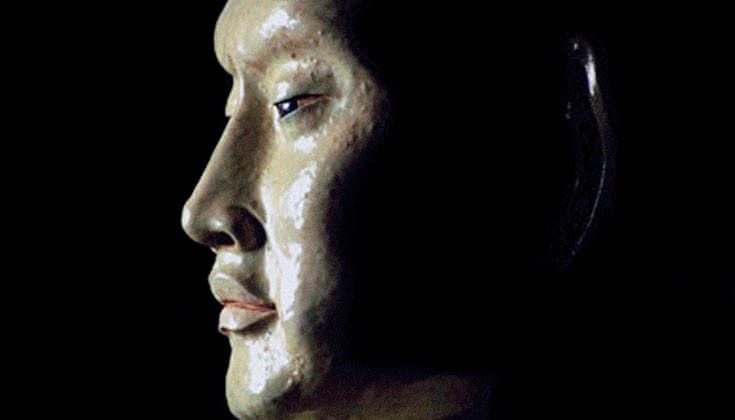
You Are Already Enlightened
Guo Gu, a longtime student of the late Master Sheng Yen, presents an experiential look at the Chan practice of silent illumination.
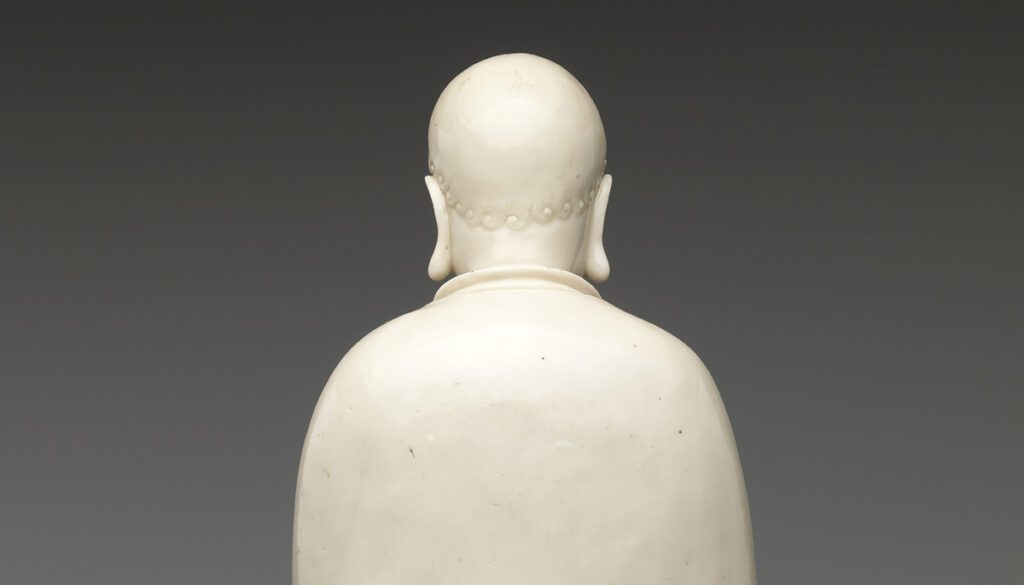
Only Don’t Know
Whatever answers you think you have, says Judy Roitman, you don’t—and in that not knowing, we find the heart of Buddhist practice.

How Do You Step Forward?
Jules Shuzen Harris asks: in the infinity of suchness, how do you achieve spiritual progress?

What If Our Delusions Aren’t a Barrier to Enlightenment?
"What if, asks Zenju Earthlyn Manuel, "they are the very path to it?"

Buddhists Must Awaken to the Ecological Crisis
Buddhists, says David Loy, have often been slow to open their eyes to the problem of climate change. He examines key teachings to understand why.

Here at the End of the World
Grief is how we love in the face of loss, as Joan Sutherland once wrote for Buddhadharma. Now, in an era of so much loss, her teaching on coming to terms with grief feels especially relevant.

Nothing Solid, Nothing Separate
When we look deeply into emptiness, says Phil Stanley, we find everything and nothing.

Why Bodhisattvas Need to Disrupt the Status Quo
According to Zen priest and climate scientist Kritee, part of our work in addressing climate change is to understand systems — how they work, how we’re complicit in them, and how we can change them to work for the good.

The Rice Seedling Sutra
The Rice Seedling Sutra is one of the most important Buddhist sutras on the topic of dependent arising, the basic Buddhist doctrine that everything depends on something else for its existence. Spoken by the bodhisattva Maitreya, it recounts a teaching that the Buddha had given while gazing at a rice seedling. “Whoever sees dependent arising…

What If Our Ordinary Experience Is All That Matters?
Stephen Batchelor poses the classical Zen question, “What is this?” The answer, he says, is right in front of us.
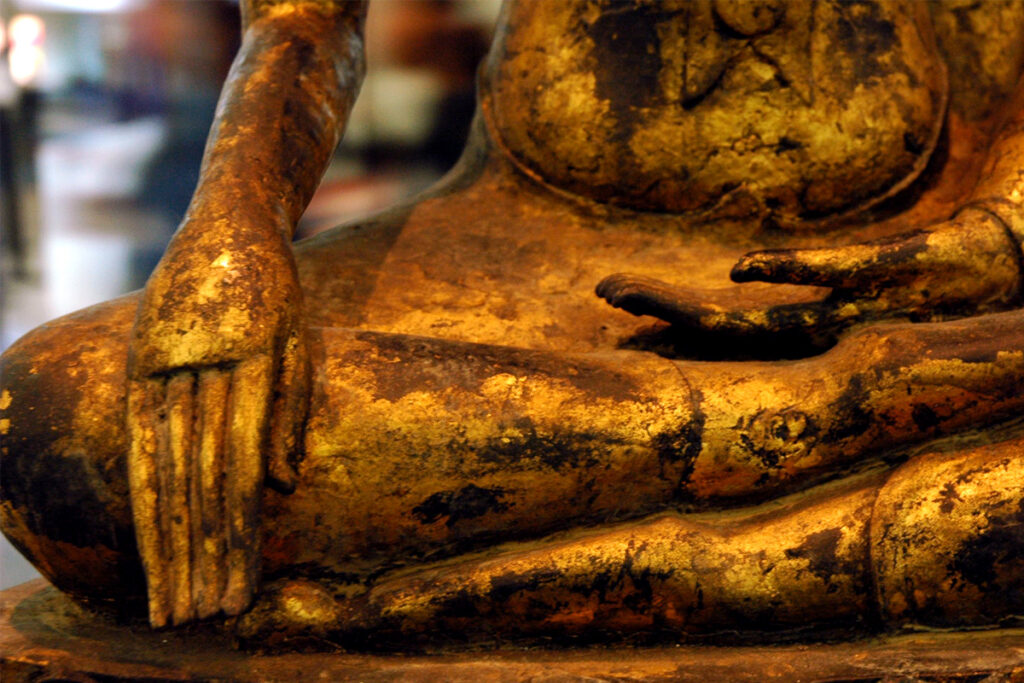
True Practice Is Never Disengaged
If we feel like our practice is here, and the world is over there, says Karen Maezen Miller, then we’re missing the point of practice.

Forum: Hear Our Voices
A panel of women teachers from different Buddhist traditions share their insights into being a female teacher and leader in today’s world.
Happiness in Every Breath
When we stop feeding our cravings, says Thich Nhat Hanh, we discover that we already have everything we need to be happy.
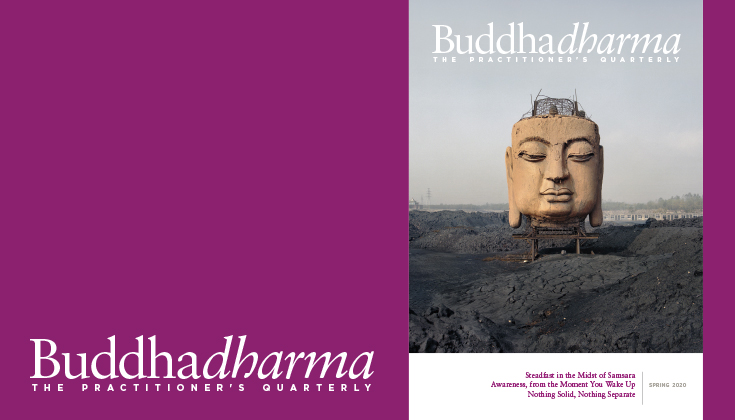
Inside the Spring 2020 Buddhadharma magazine
The Spring 2020 issue of Buddhadharma: The Practitioner’s Quarterly features in-depth teachings for cultivating your Buddhist practice and manifesting those teachings meaningfully in everyday life. Inside, you’ll find thoughtful commentaries, reviews of the latest Buddhist books, Ask the Teachers, and more. Features What If Our Ordinary Experience Is All That Matters? Stephen Batchelor poses the classical…

The Unseen World
Lama Tsultrim Allione, Rob Preece, and Acharya Gaylon Ferguson discuss their individual relationships with nonmaterial realized beings and the purpose of including them in your practice.
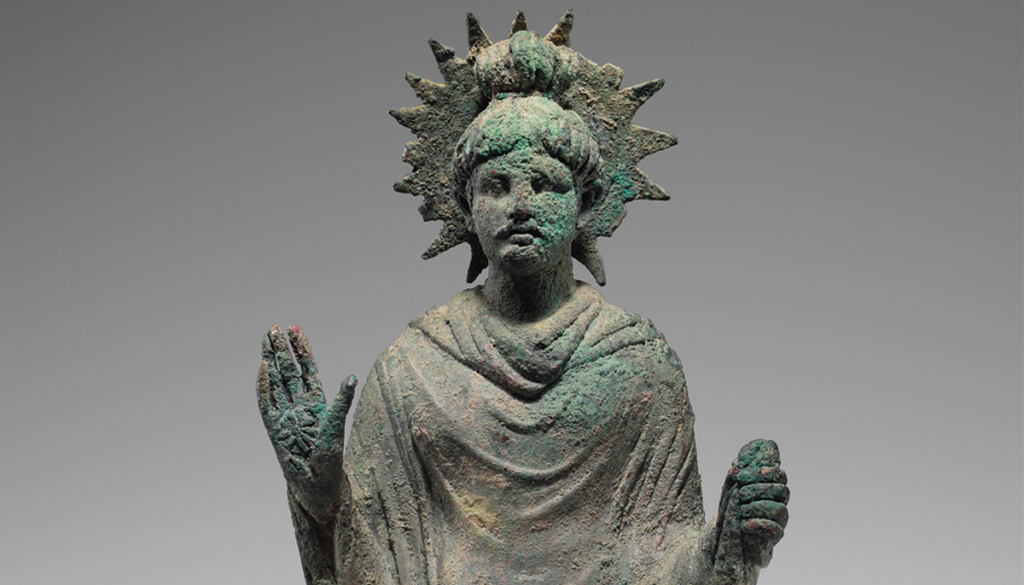
How the Gandharan Manuscripts Change Buddhist History
The Gandharan Buddhist manuscripts are leading scholars to rethink the origins of Mahayana Buddhism. Richard Salomon looks at what we can learn from the recently-unearthed texts.